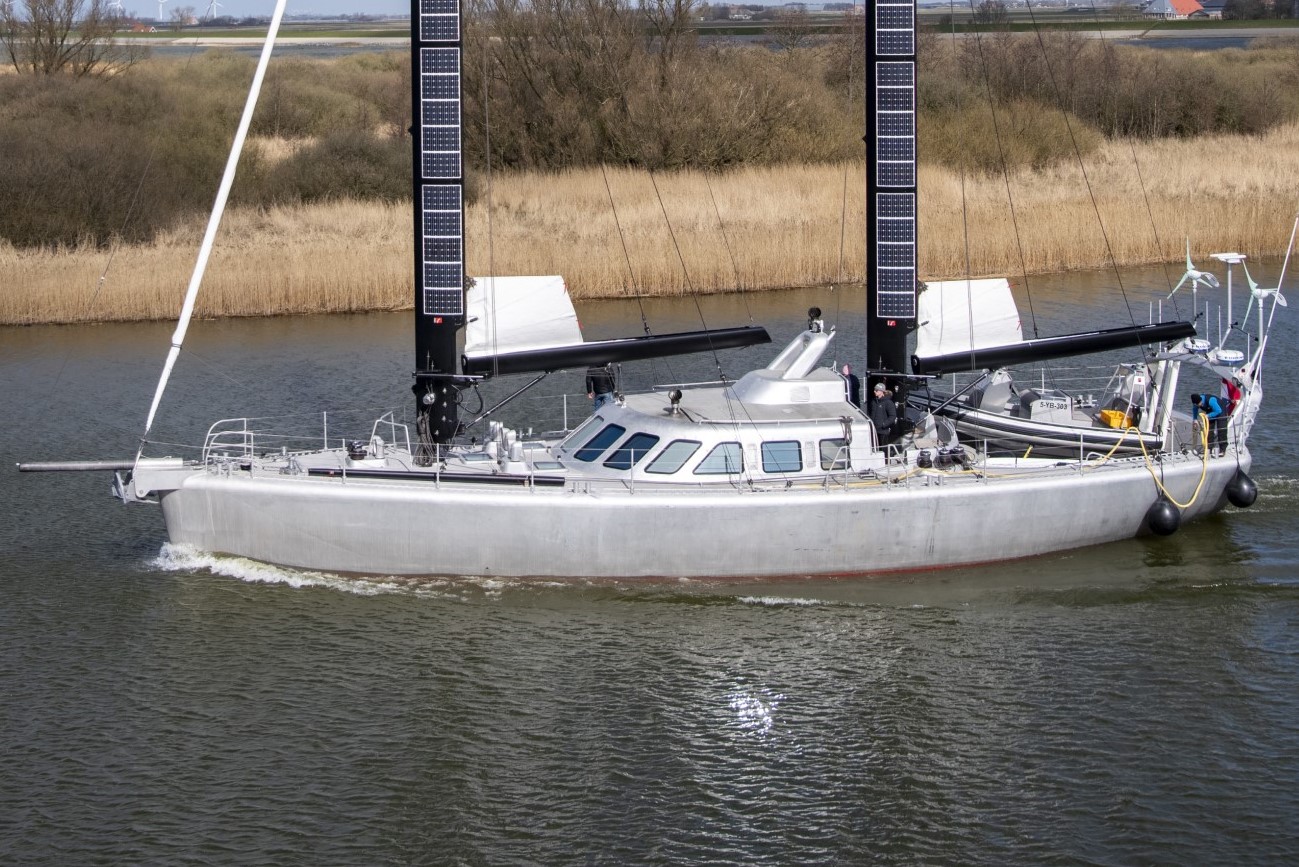
There are quite some Aluminium boats out there especially if we include the second-hand market. From the purpose-built one-off, like Nanuq featured above, or the second-hand one which is available after a proven high latitude track record to the series some reputable yard have built for a long time, such as the legendary Ovni (Alubat yard) or Passoa (Garcia yard) or even more recently, but with undeniable success, Jean-François Delvoye’s Boreal range.
In between, there would be the semi custom approach, like the Garcia Exploration range, or the KM Bastevaer. For the latest, semi custom doesn’t seem quite appropriate, as it seems the owners can make any personal choice, provided it fits the hull. And of course, many projects based on an initial design, maybe even a 1rst client, but not yet brought into any industrial development.
It’s hard not to go day-dreaming while scrolling through their specs, or history (KM “Tranquilo” for instance). Which is exactly what we did for quite a while, spending time reviewing their DNA, construction smart details, standard features, as well as customization which made each of them special for their high latitude purpose.
Here are some examples of the boat which caught our attention at this stage.
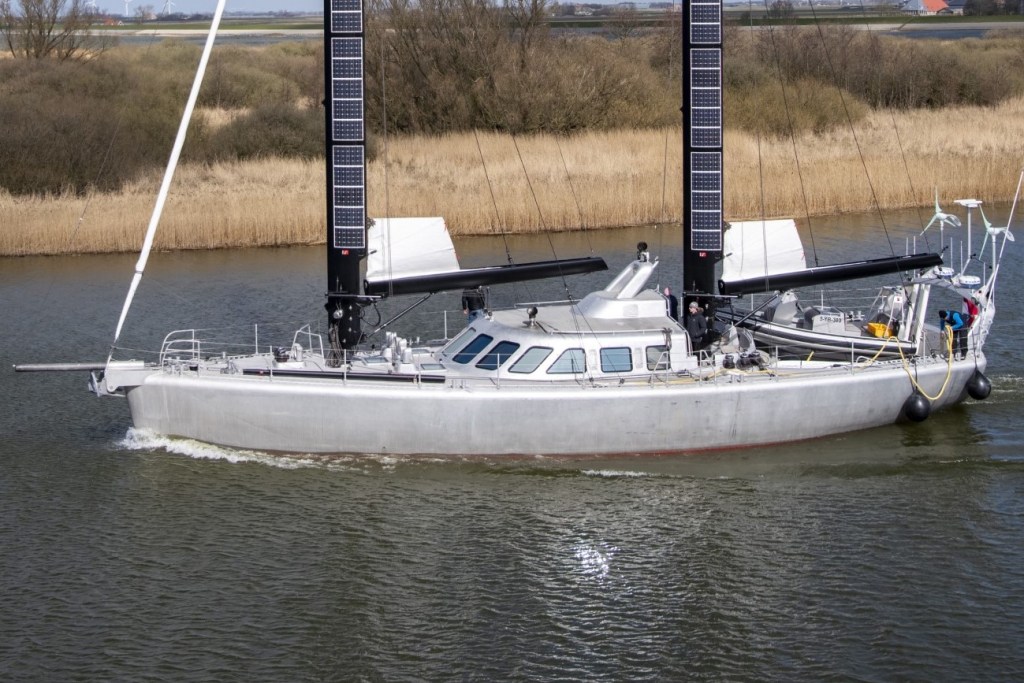
KM custom ‘Nanuq’ 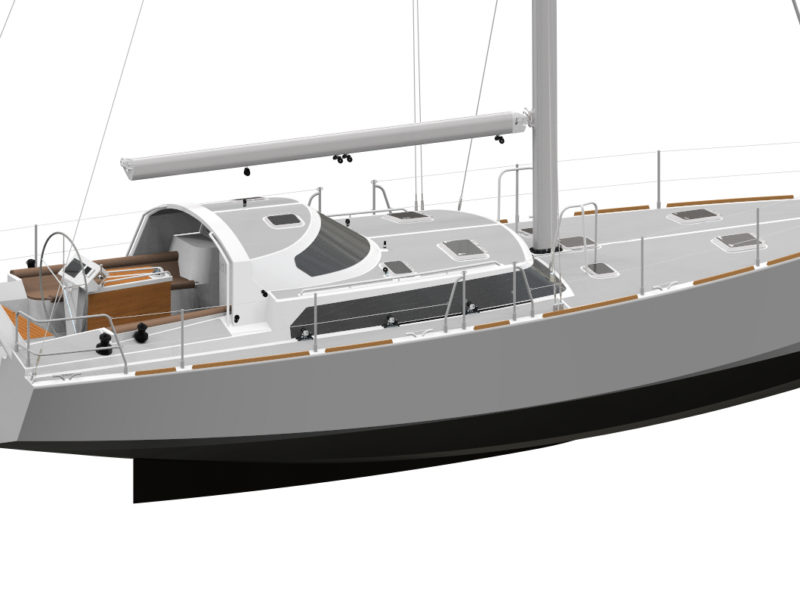
Boreal 55 OC 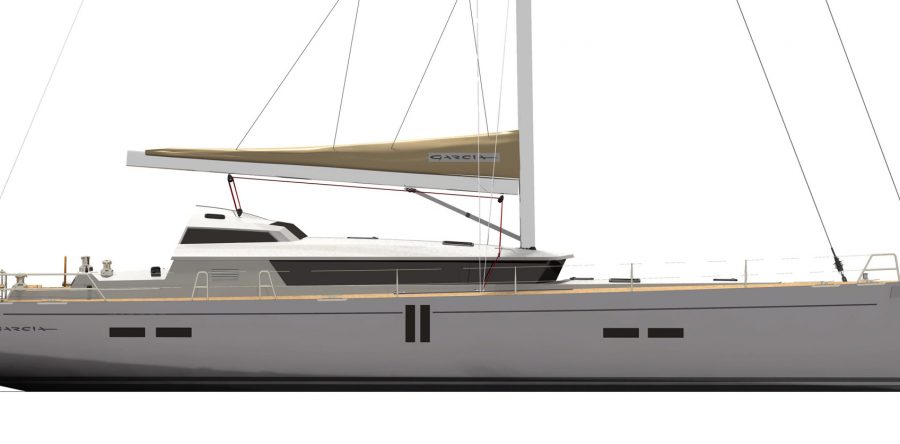
Garcia Exploration 52 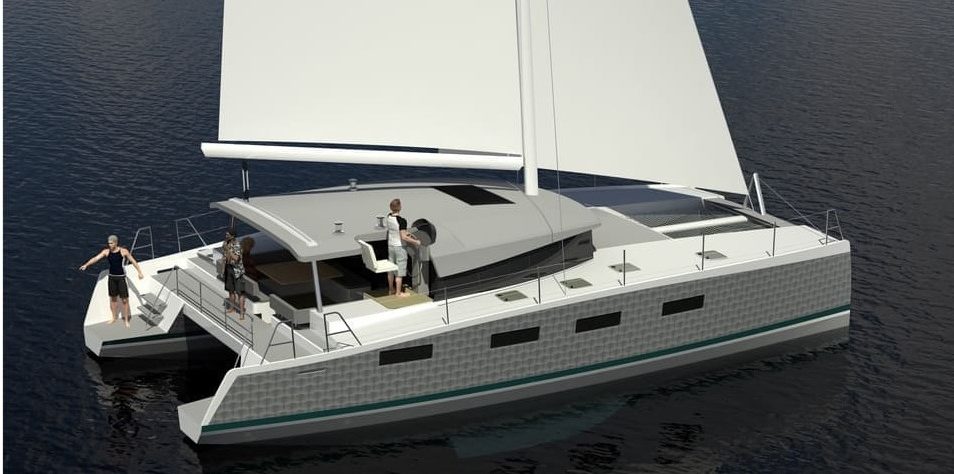
Alubat Ovnicat 48 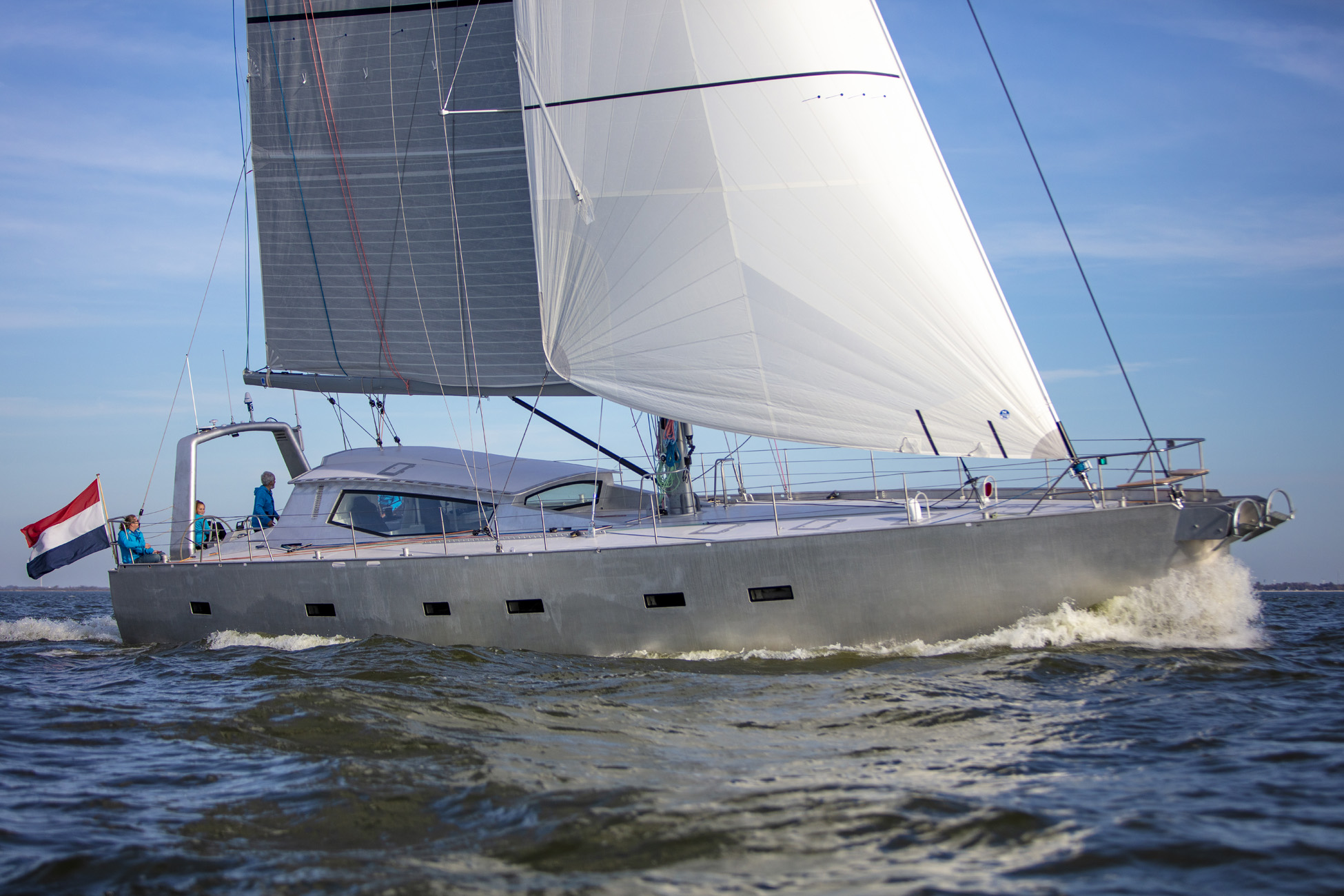
KM custom ‘Qilaq’ 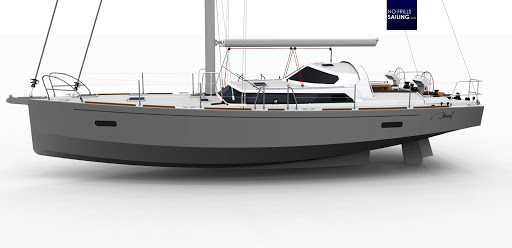
Boreal 52 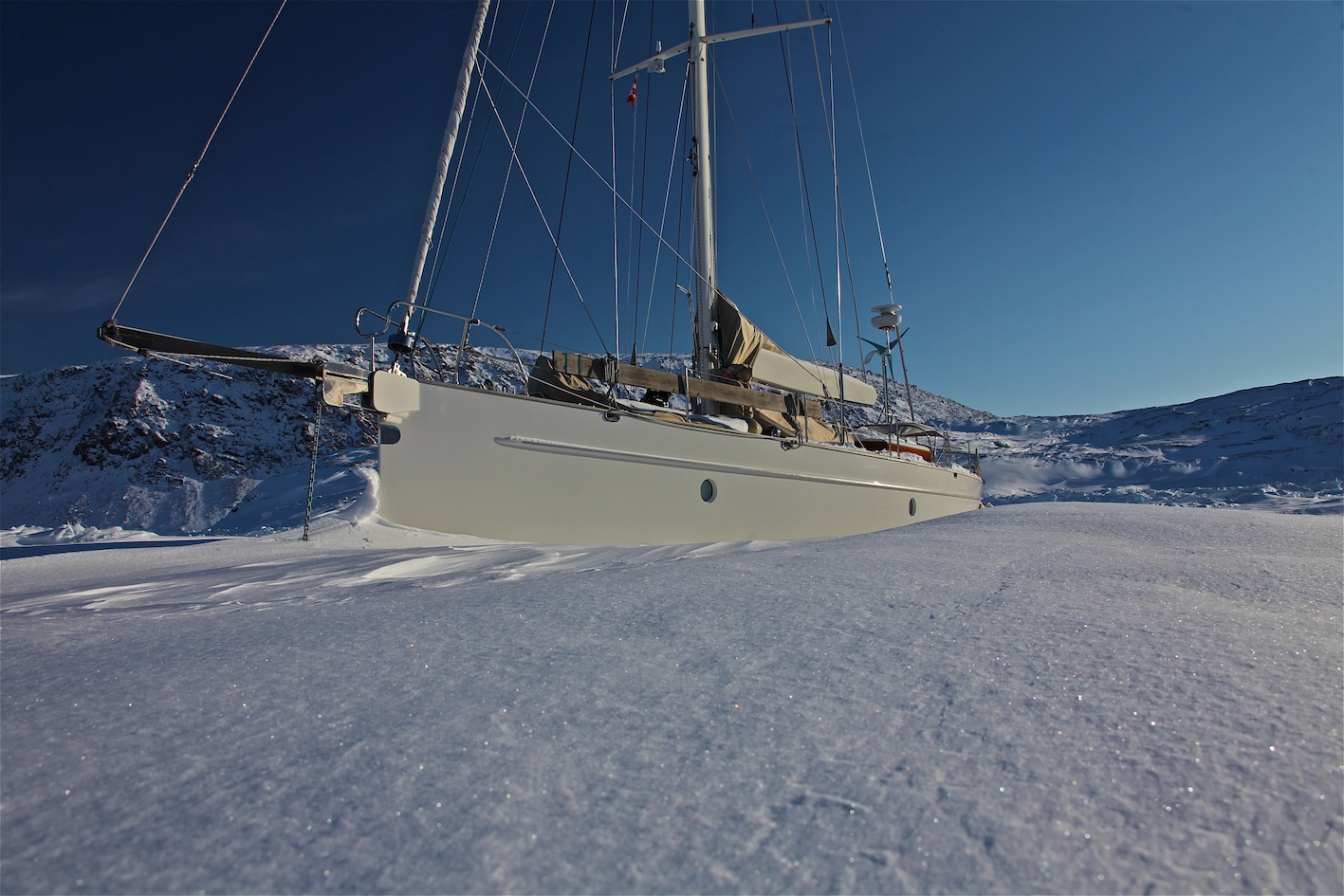
KM Bestevaer 56 ‘Tranquilo’ 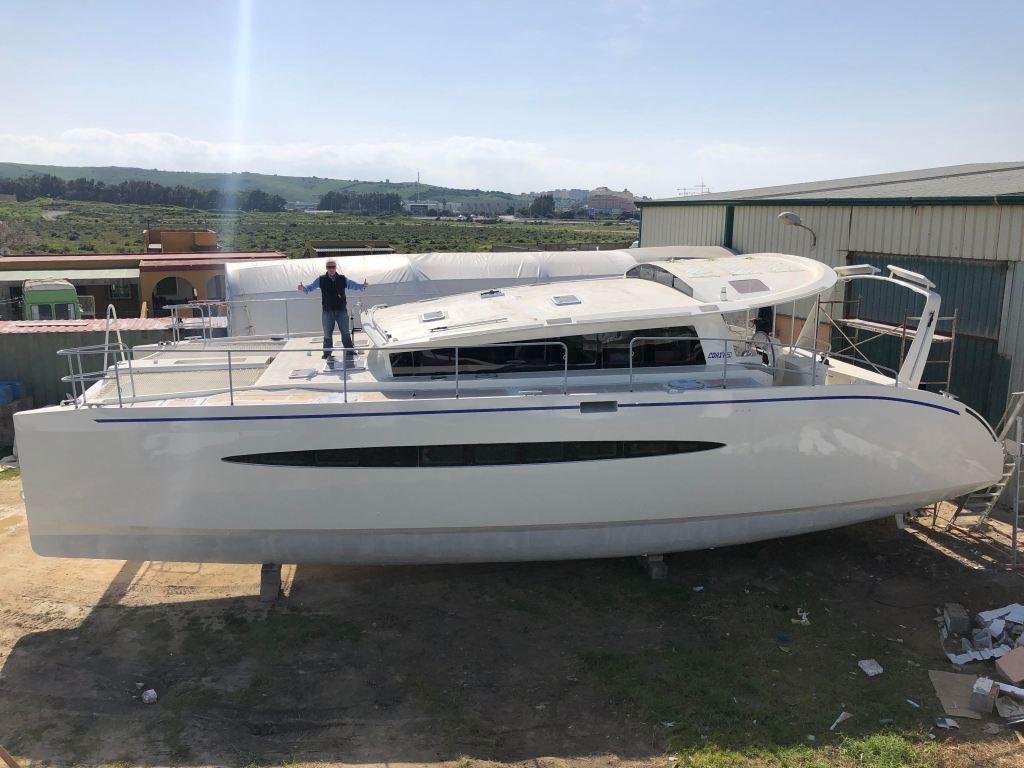
Coast 50 by Mint yard 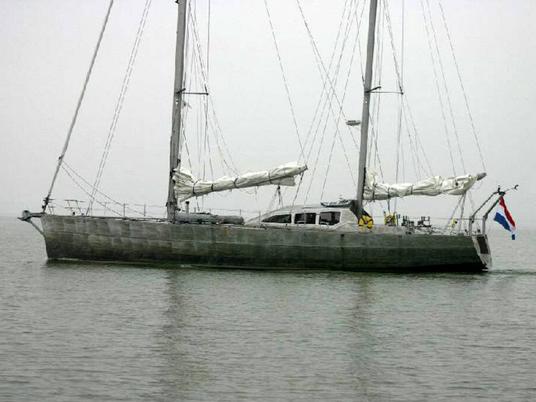
Stern 60 
Ed Joy Good Hope 56 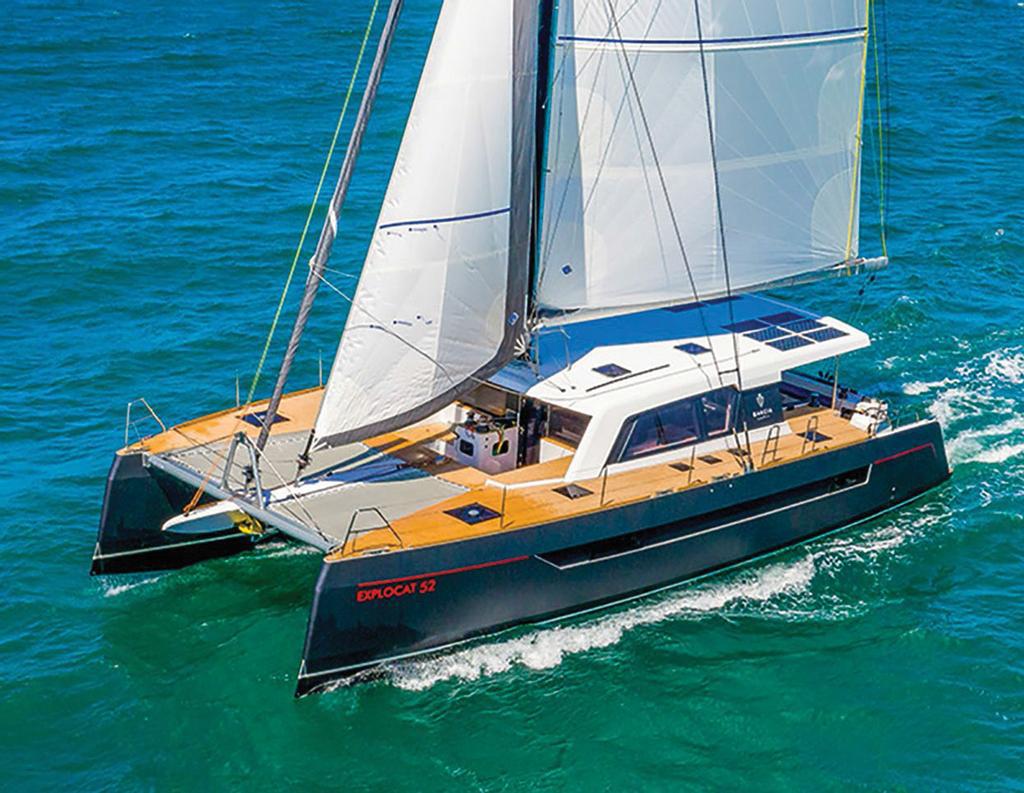
Garcia Explocat 52
While all of these are likely to fit the programme one way or another, it comes easily to the mind that size will be an important factor in regard with sturdiness and autonomy, but to some extent, to seaworthiness as well.
Even if we’re sometimes sailing shorthanded, given the remote places we’re considering, we thought the boat should be able to fit comfortably a crew of six for an extended period – say 4 to 6 weeks. The weight associated with this, added to the boat’s space and stuff does imply a certain size so that the boat copes with our seaworthiness criteria: wetted surface in low wind, or sail speed when aiming for a narrow weather window, or dodging a gale (sail sqm/t).
Size wise, we’d be looking for a boat able to satisfy all our basic criteria while still being manœuvrable shorthanded, or even single-handed on very limited occasions. From our experience, anything above 60 feet will require lots of technical assistance and the loads involved are a real challenge for a small crew, even if some boats in this size bracket have a deck conception precisely fitting small crew handling requirements.

Regarding high latitude fitting, these would be our basic expectations:
- Reinforced hull construction (> 10mm in the bottom, thick framing for stiffness)
- At least 3 watertight compartments, 4 expected in a monohull.
- At least 3 cabin for long range accommodation of 6 adults (owners included), with the spare occasional sleeping space while in milder climates – one hull peak or living quarters convertible sofa for instance.
- At least 3 individual sink & head space, 2 individual showers
- Space for thick hull insulation (50mm+), from waterlines up to and including deck. While we’re eager to keep it as bare as possible, we’d consider faux teak deck cover as an additional insulation layer, provided it doesn’t add too much weight (for instance Flexeeteek, adding 4.5kg per m²).
- Hull space for the redundancy of key systems
- Engines (x2), this criteria alone will focus us on the few catamarans out there, as twin engines monohulls are usually over our size bracket. And since we’re on this topic, enough power to move against tide and get out of a nasty channel, or to motor upwind in case of necessity.
- Autopilot system (x2, dual rams and pumps, completely independent one from the other)
- Watermaker (x2)
- Generators (x2), ideally of the variable speed, smaller sort, which can be combined if in need of a large output
- Heating system (x3), combining three radiator-type heating sources with boat engines, a classic radiator heater plus a connected coiled stove heater (Refleks type) in the living quarter.
- Inverter/charger (x2)
- Rudders
- Protected watch position, ideally enclosed, better if doubled as a nice place to enjoy the sceneries while on anchor.
- Protected space to get in and out of foul weather gear, with drying space for them. We would be looking for a rain-protected back cockpit, achieved with smart fabric layout and cockpit design, and this would not be a specific high latitude feature, nonetheless a way to increase the living area in mild weather.
- Fuel tankage above 1500 l., aiming for 1000mn+ autonomy on engine, based on an average 0.8 l/nm consumption in very still seas. Heating and electricity would be provided by the engine while motoring. Alternatively, we aim for 2 month of heating autonomy while docked or anchored. Refleks Danish stoves would advertise 0.3-0.5 l/h, which we rounded to 260 l/month. This requirement only seems needed for the off-chance we sail her down the Drake.
- Water tankage above 700 l.. Most sailing vessels in remote areas would insist on savings before storing or making water. We read about the salt-water showers on some high latitude expedition boats, but we’re not sure about it. We’d be adding a small tank (15-20 l.) dedicated for drinking-water, with a specific filtering system. Our estimated 700 l. is based on a 7 days autonomy for a crew of 6: dishwashing, drinking water, personal hygiene including a quick shower every other day.
- Storage for sails and spare anchoring systems (2 at the front, 1 at the back), including 4x150m dyneema lines when anchor isn’t a reliable option. We plan for inflatable fenders, so that’s one storage issue less.
- Good accessibility on all engines requiring regular or accidental maintenance (engines, generator, watermaker, water pumps, etc), which rapidly equals decent hull space.
- Storage for long range boat spare and workshop area with all required tools.
- Storage for outdoor stuff : 2 electric bikes, mountain and ski gear, 2 scuba diving equipment and compressor, 2 dinghy outboard, 1 spare 3.6m inflatable dinghy on top of the main aluminium-hull one, …
- Food and beverage storage for 6, for over a month, meaning 2 x 180l. fridge/freezer capacity, and quite some additional storage for fresh and groceries.
- Space to spare, for fishing, scuba diving and other fun stuff for friends and kids, including maybe 2 inflatable kayaks.
We didn’t go into detailed weight calculation, but we narrowed our search to 55 to 65 feet monohulls, and initiated a search on the rare aluminium catamaran in the 45 to 55 feet range: both Garcia and Alubat French boat yards are featuring a model, and there are a few early stage one-off projects in this size range (Turkey, South Africa, Germany, Spain, …).
 70th parallel
I had to laugh at this list. It’s clearly written by someone who had already decided they wanted a Garcia ExploCat and then reverse-engineered the list. Knowing full well that 99,9% of all high latitude sailing vessels are monohulls you concludes that only an aluminum cat can offer the security and redundancy you need. Common now.
Also I can’t help but to notice the updates stopped immediately after you took delivery of the Garcia Cat. And that a few months later it appeared on the charter market…
LikeLike