It’s been a long time, ans there has been questions along the way regarding boat performance, built quality etc. Many apologies for not answering in a timely manner. We’ll come back to this.
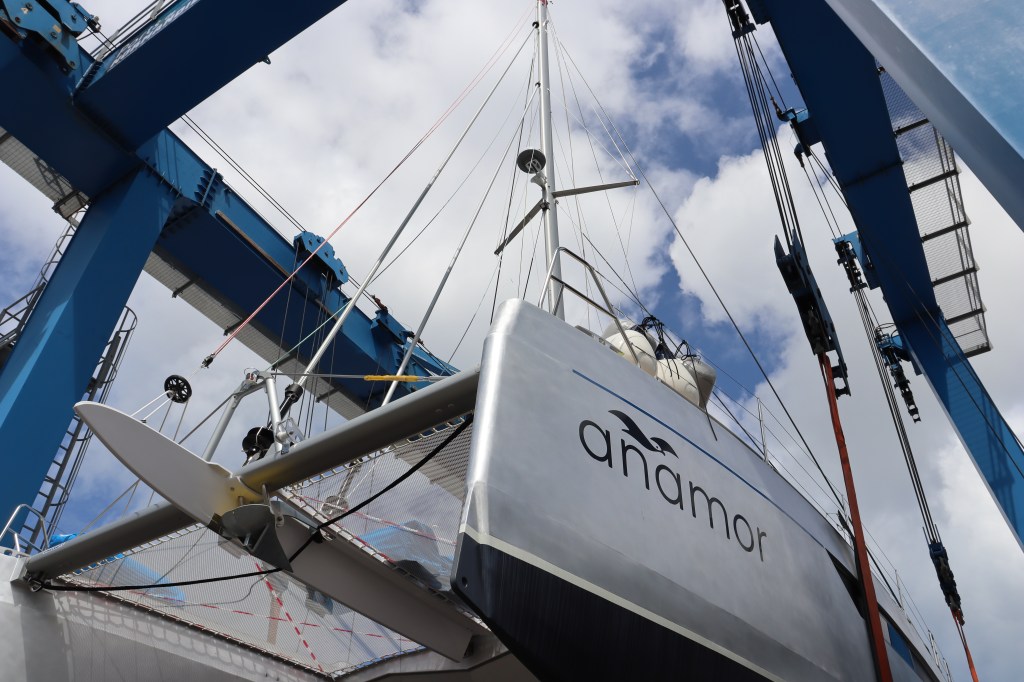
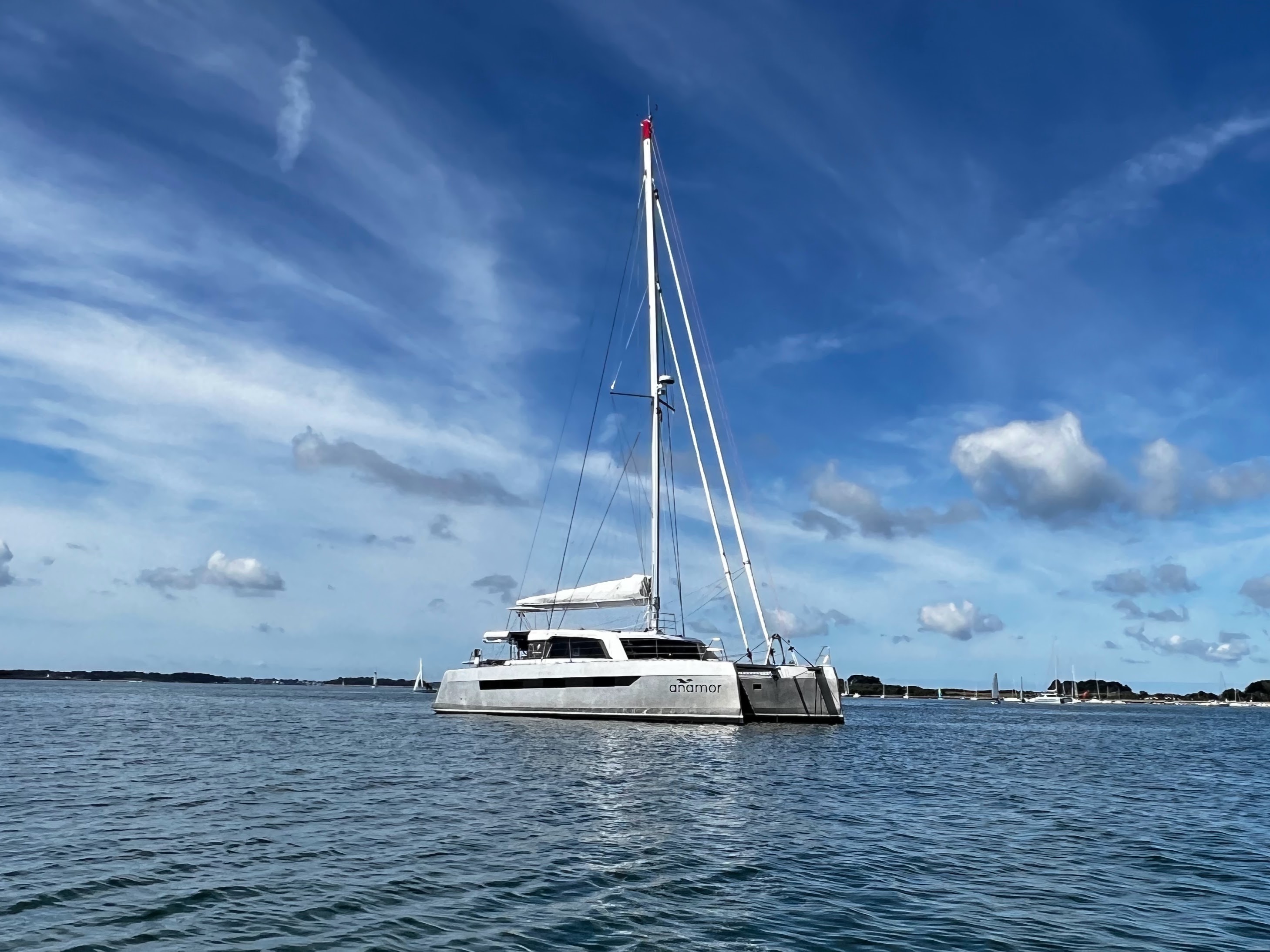
Long story short, the boat was delivered early August. We hold a formal christening ceremony on the day we first sailed her, and the traditional saying from Britany was pronounced :”A boat which is not christened is helmed by the devil. I hereby baptize you “Anamor“!. And of course some champagne was spilled on Anamor’s anchor.
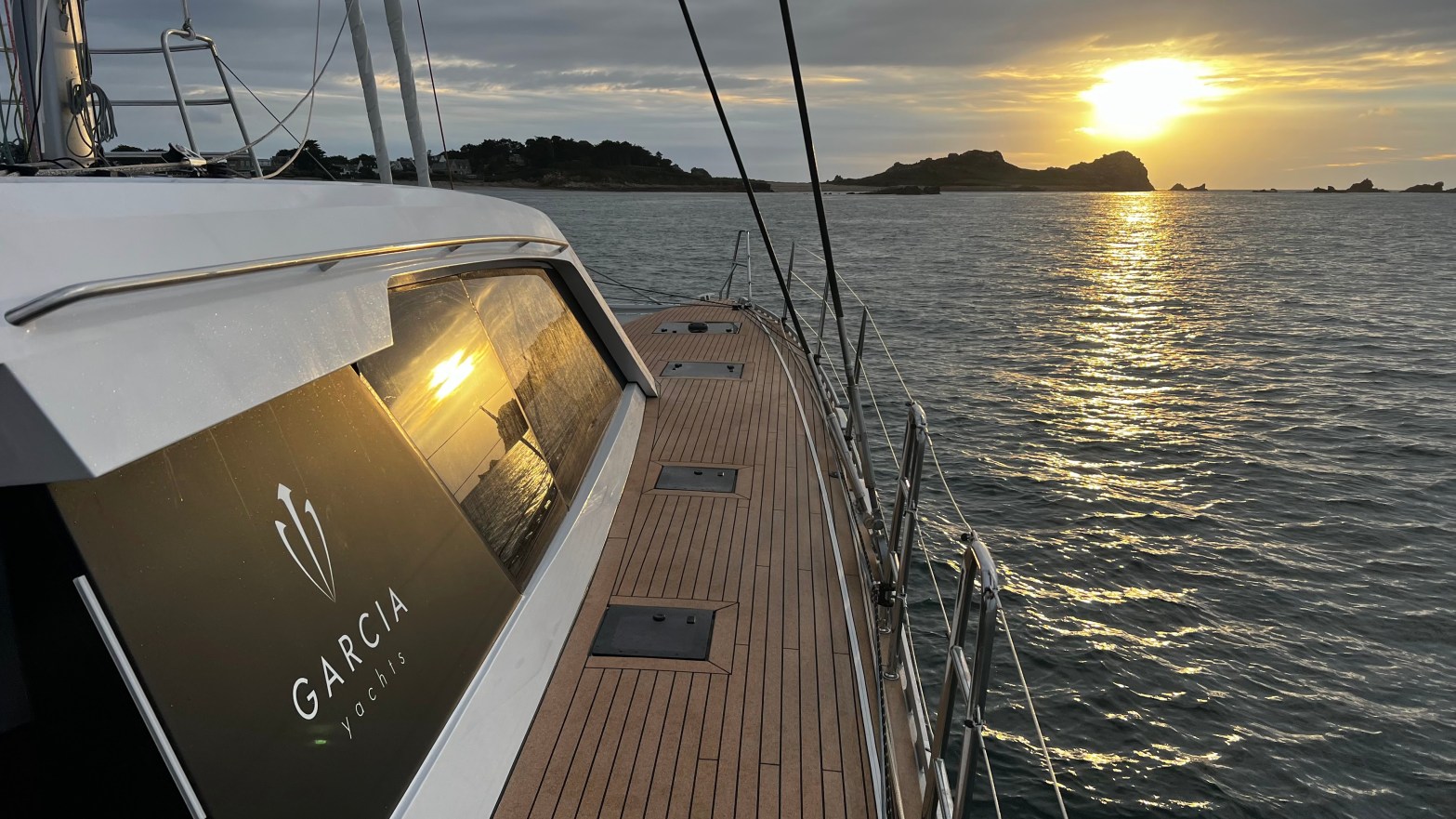
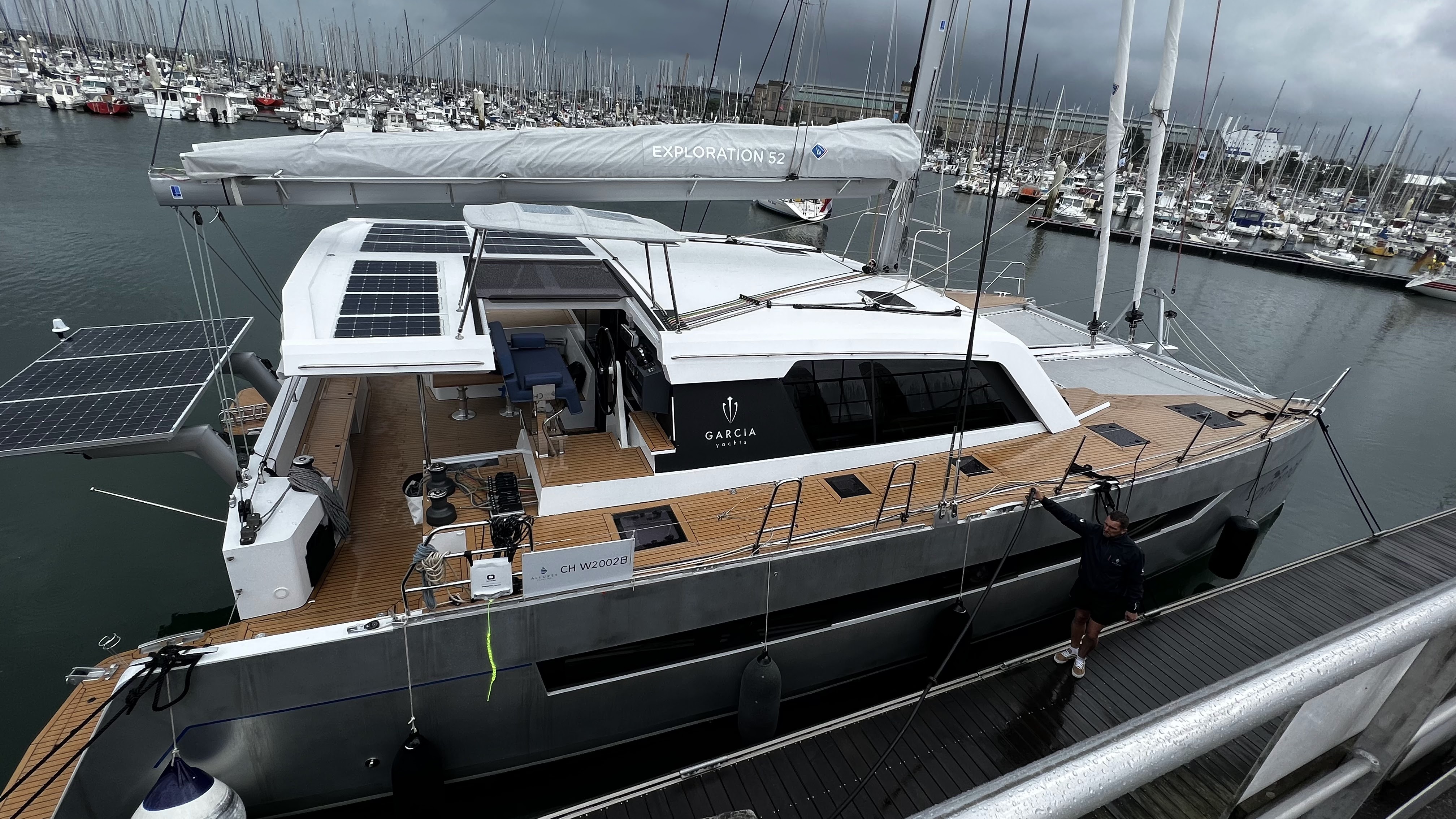
Always an emotional moment when you see her for the first time in her natural element, ready to sail … — well not quite yet everywhere, as advertised by the Garcia yard, but we’re working hard on this with theirs post delivery teams.
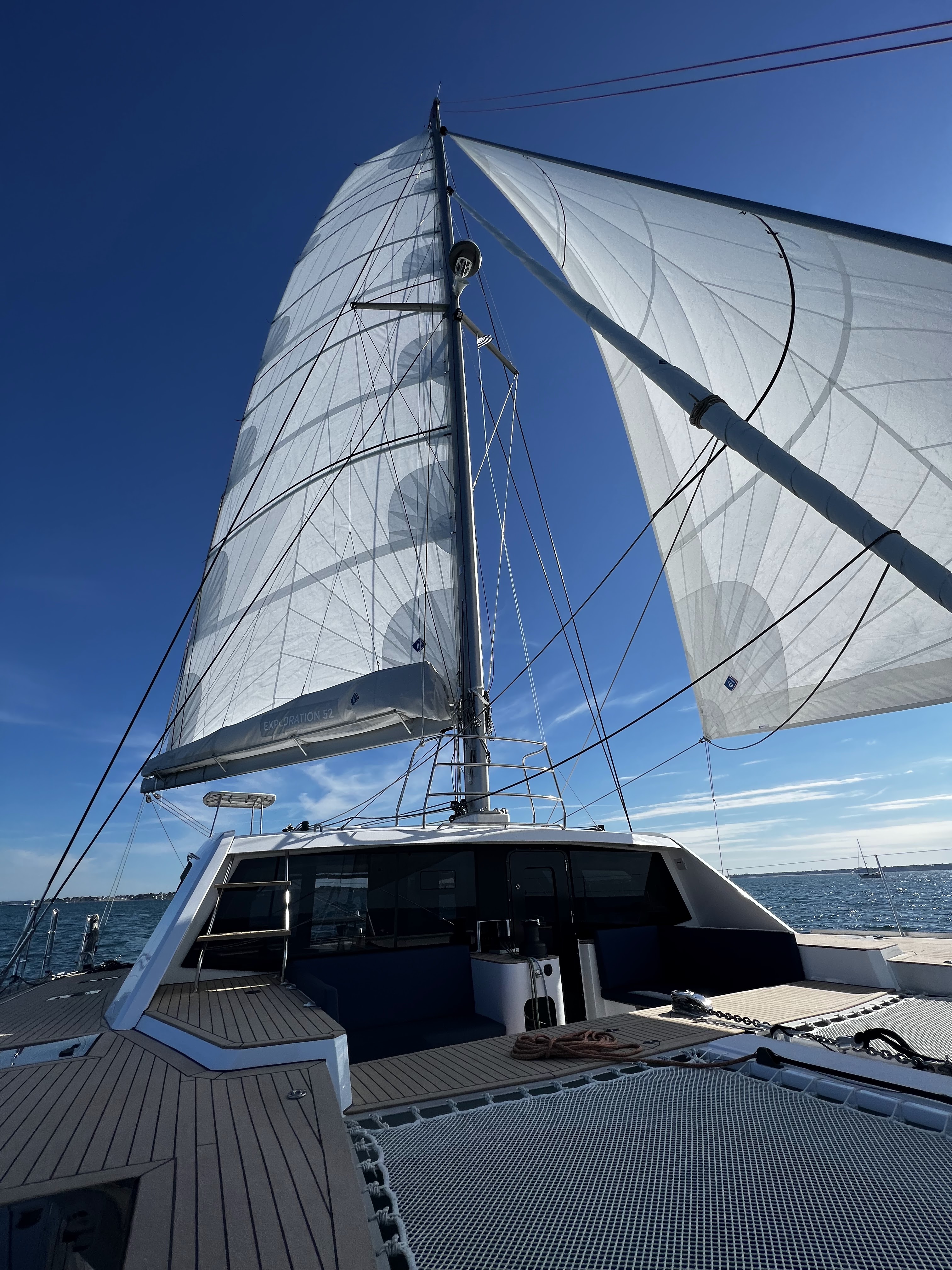
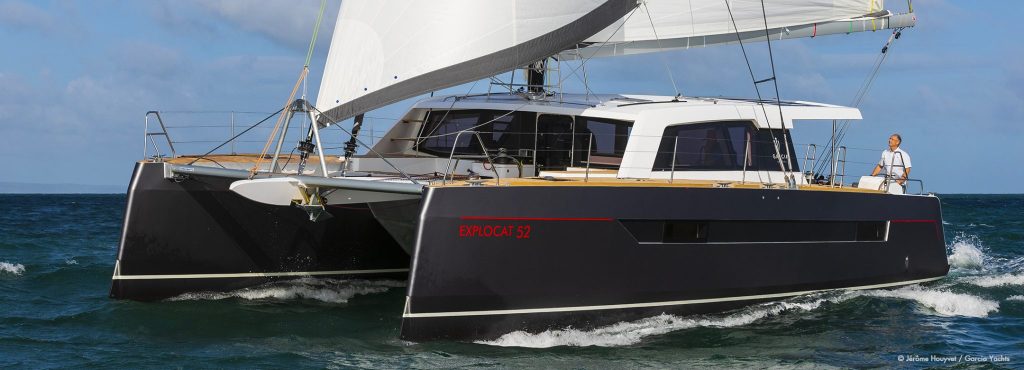
Whatever everyone’s preference will be in terms of monohull vs. multi, the consensus after a few months sailing around Britany and the Channel is that she’s a looker 🙂
Not surprisingly, we found out that there were still quite a few things to complete and/or correct, but we wanted to test her during summer holidays, so we rushed out of Cherbourg after only a few days of basic explanations.
Well … it’s been a while since we initiated this project. There has been ups and downs along the way with a very stressed Garcia yard. Let’s face it, many large corporation saw their production cycles turned upside down by the Covid pandemic, the material, systems and transport costs inflation, and more recently by the shortages of all sort of parts and key systems.
For a small operation like Garcia, it’s been an all-along challenge. We can’t say we haven’t feared for our deposit at some point. In fact, we asked one of the GLY Group founder for a financial-driven analysis, early into the pandemic.
Of course there is additional delay involved. And also a price increase to be expected at the end of the build. The hardest part for us was when the yard announced that they couldn’t cope with any of the customs we had planned for our boat, some of which were safety or comfort-related and important to us (a twin windlass for instance).
This disappointment was mainly due to the way the yard mismanaged this client-relation part, not from the lack of understanding how the context had put a huge strain on their industrial operations.
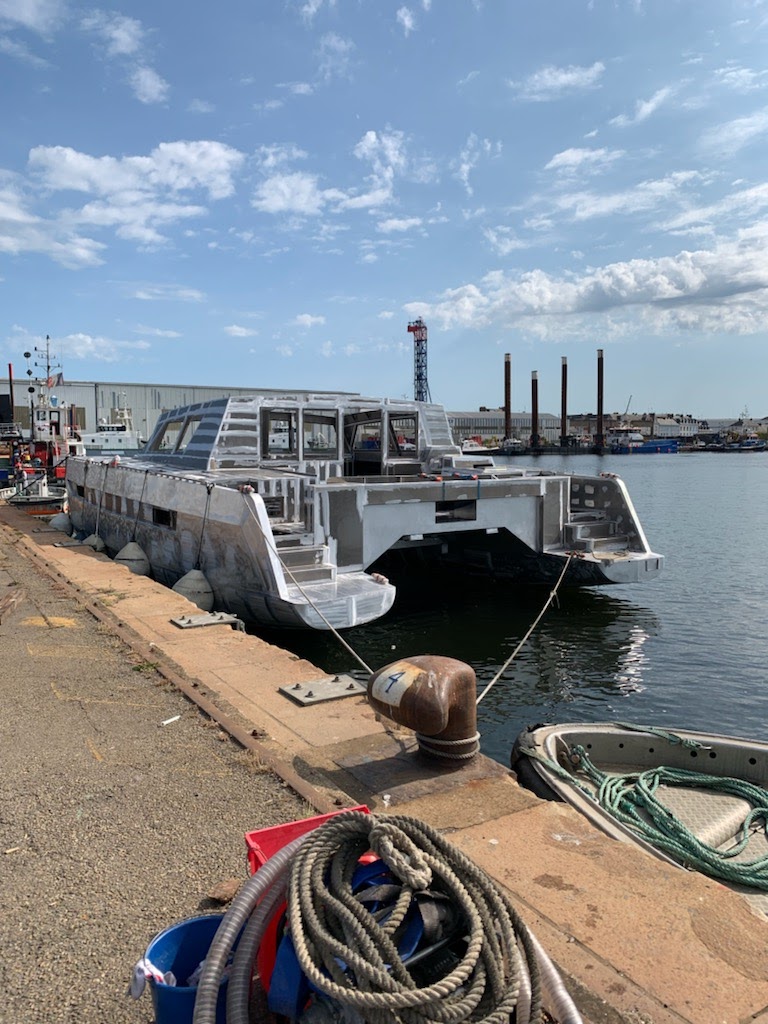
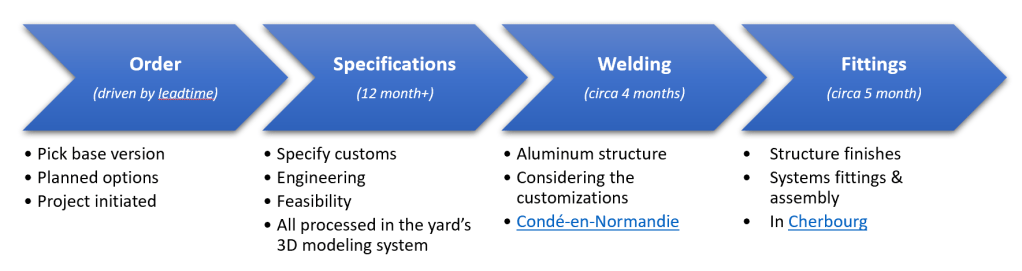
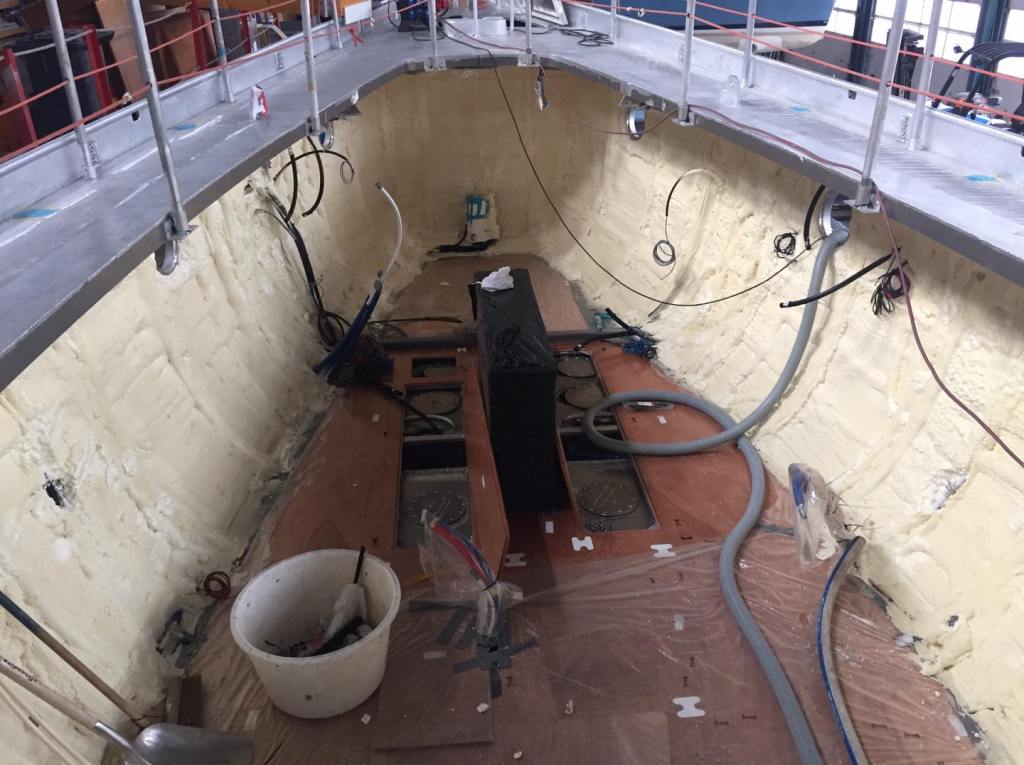
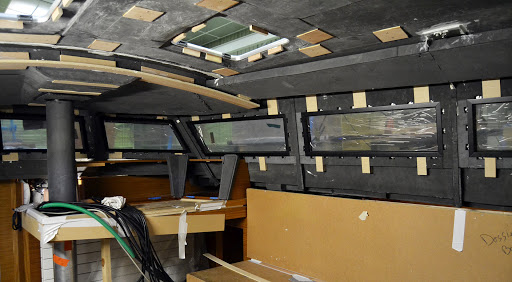
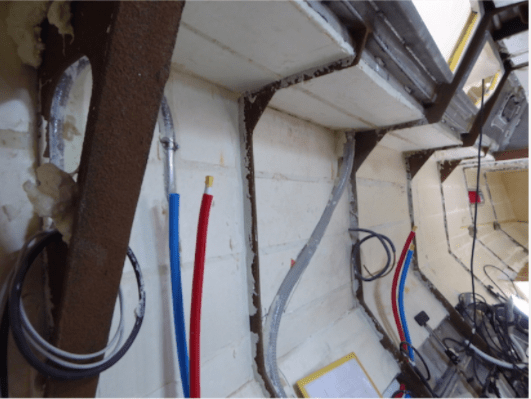
Anyway, the built has started a few month back, and now the welding part is over, and the boat has been handled to the Cherbourg facility, where Garcia does the furniture and systems installation.
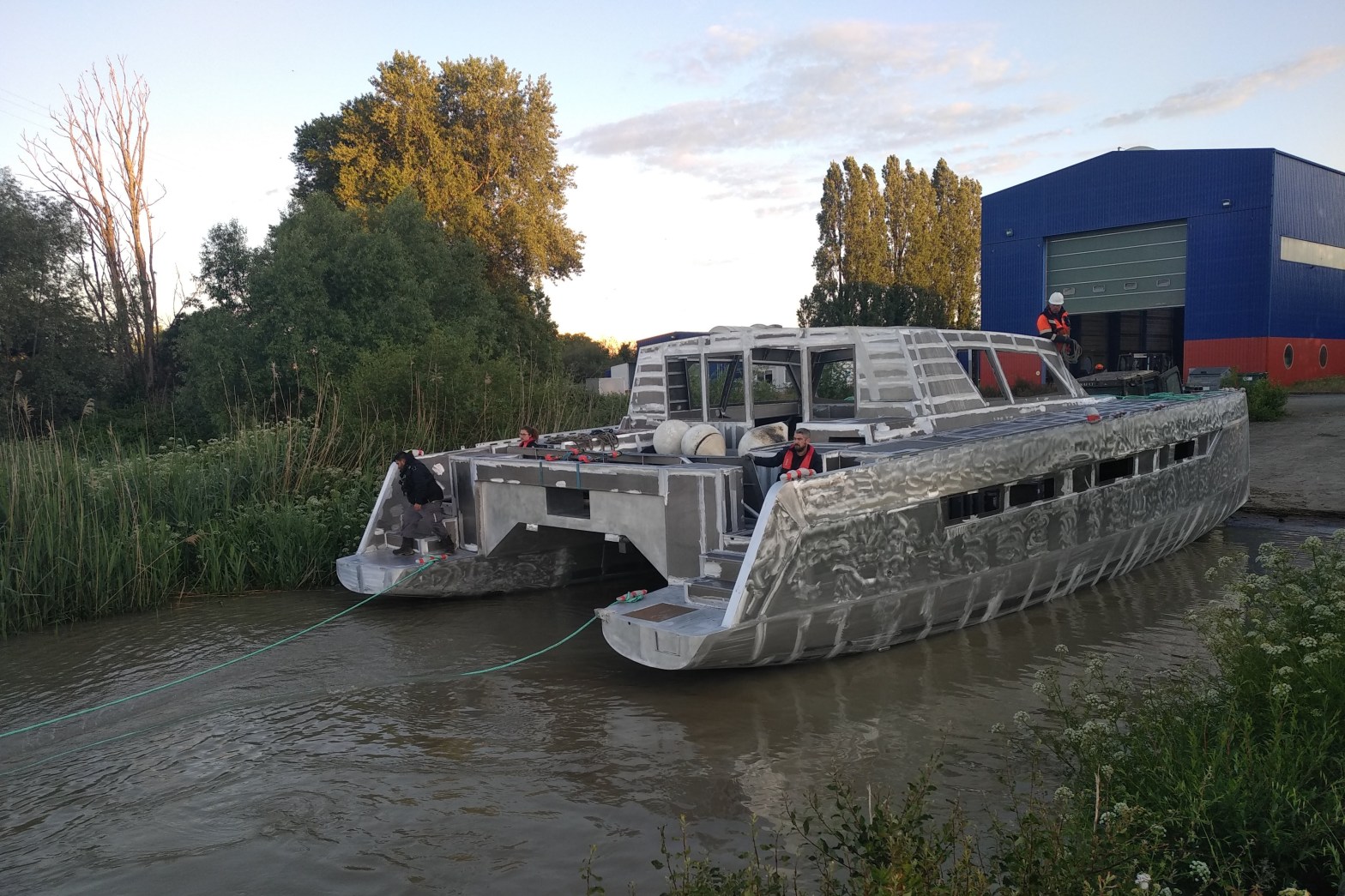
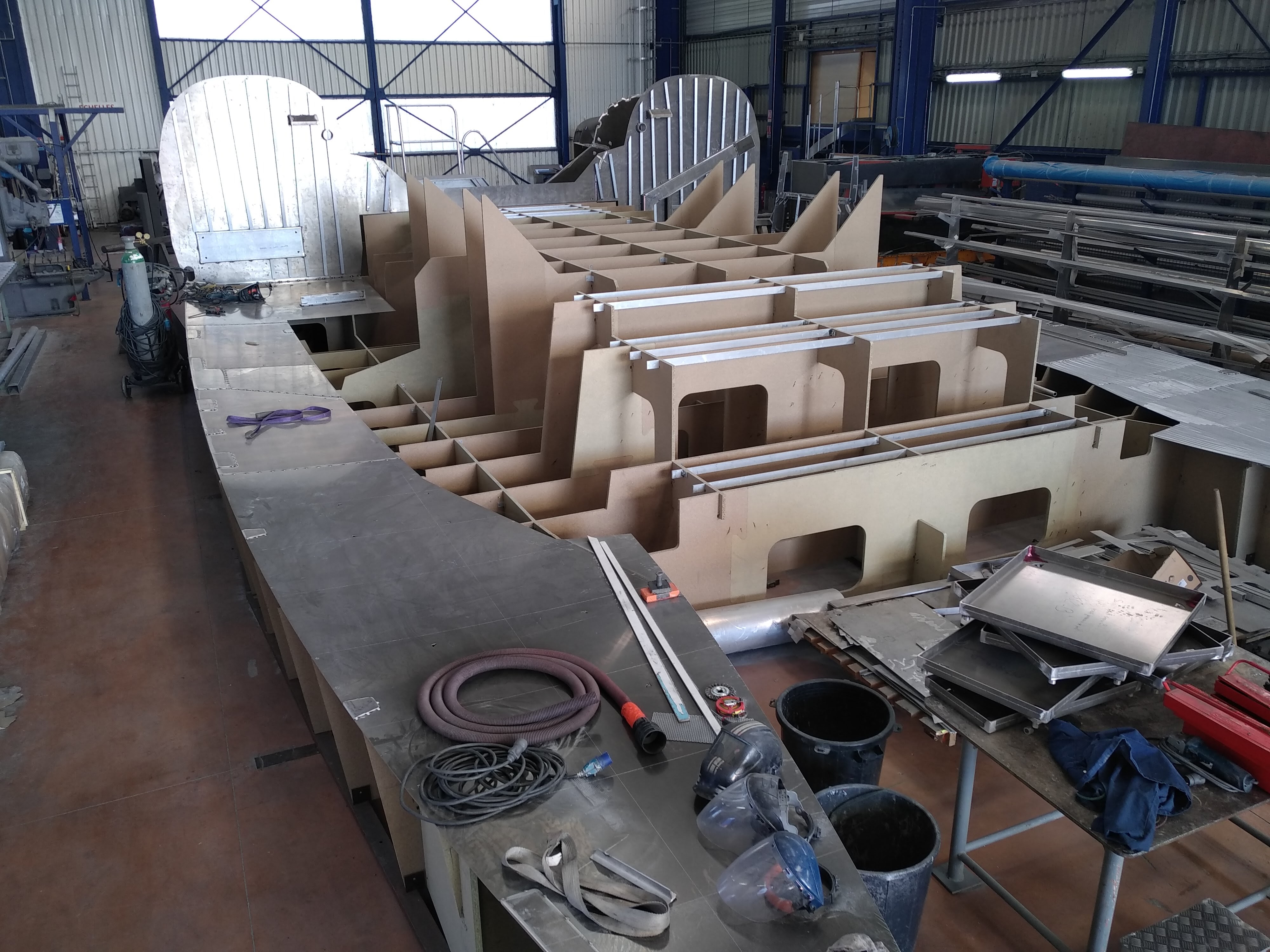
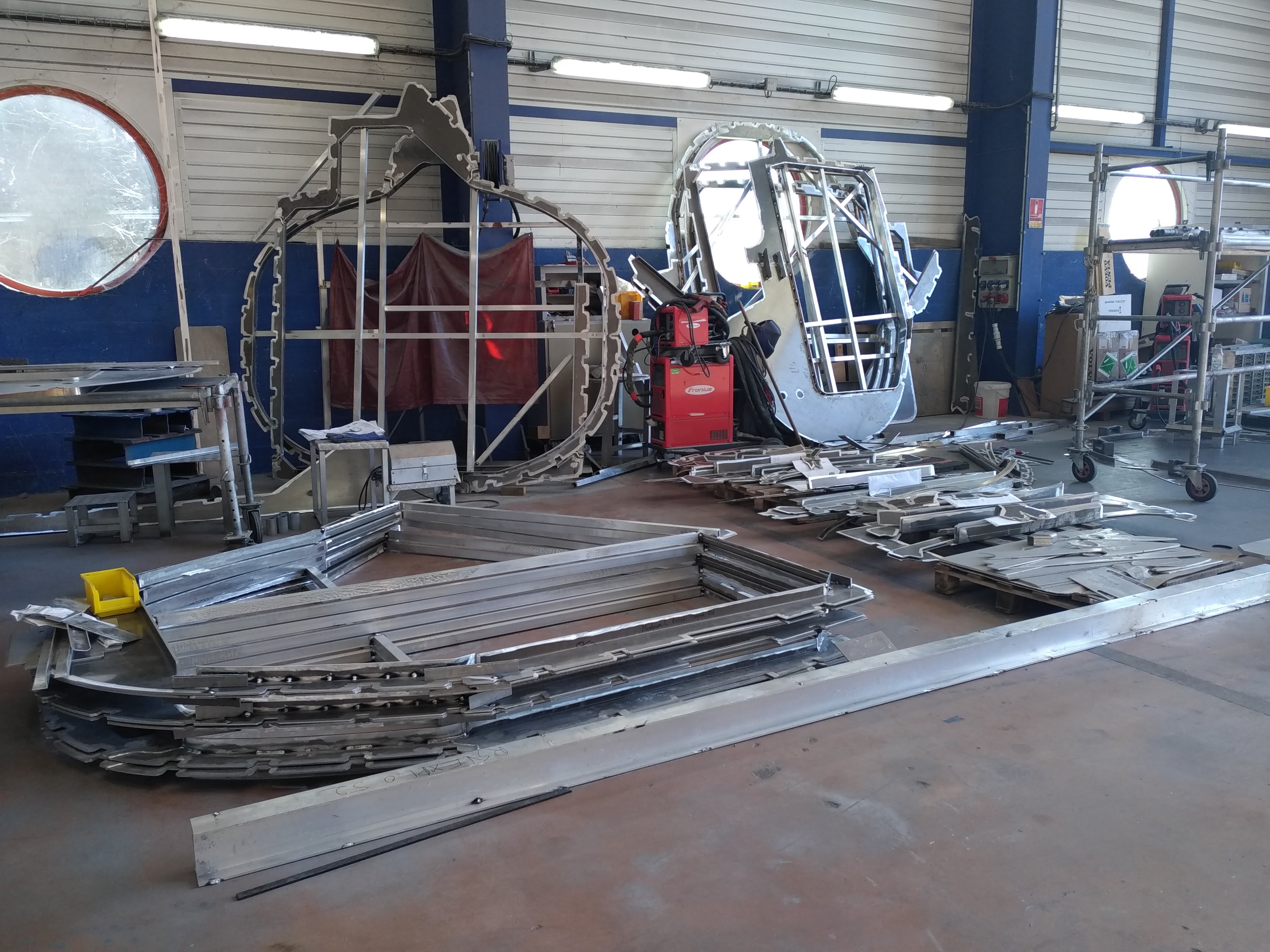
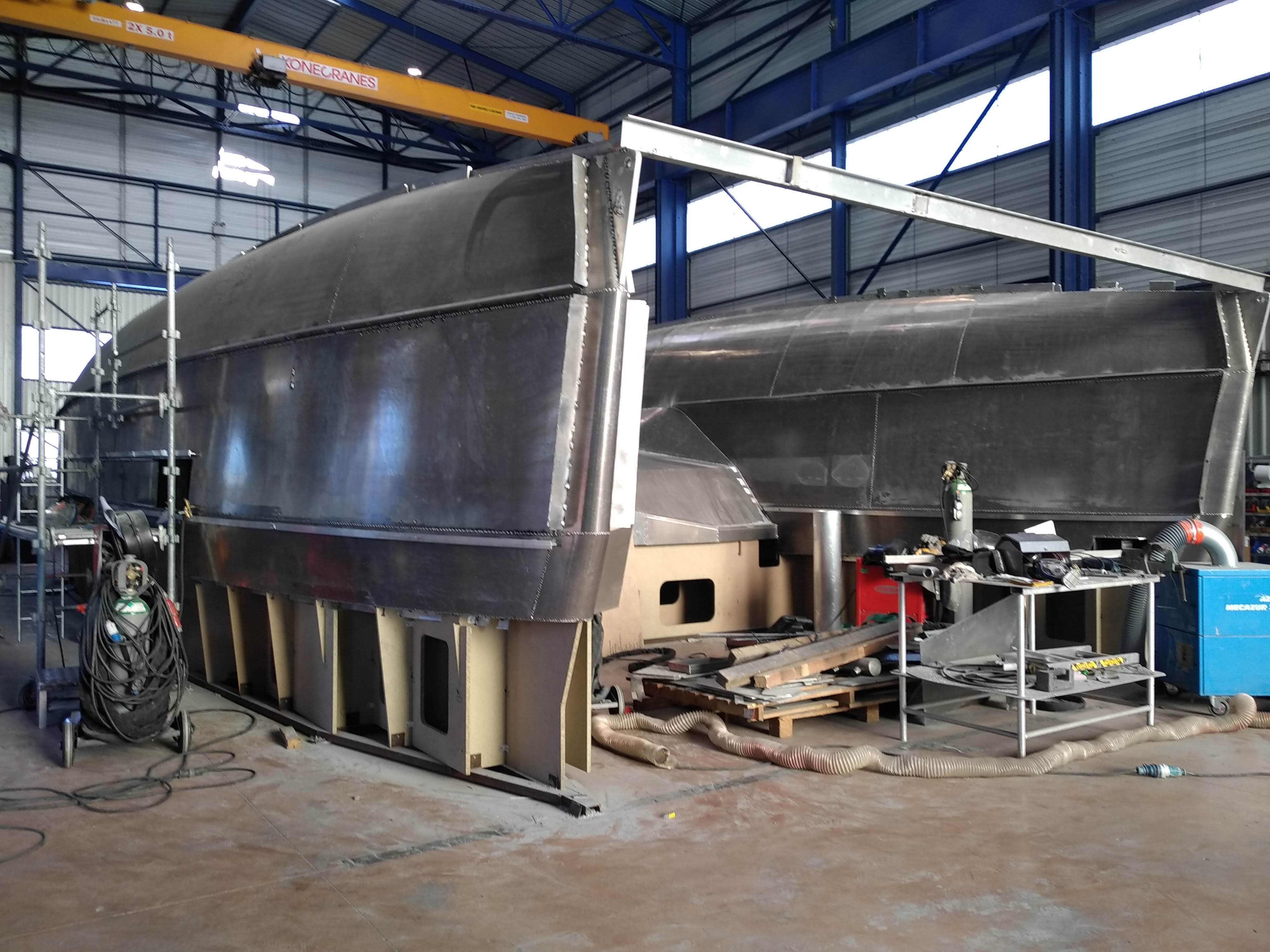
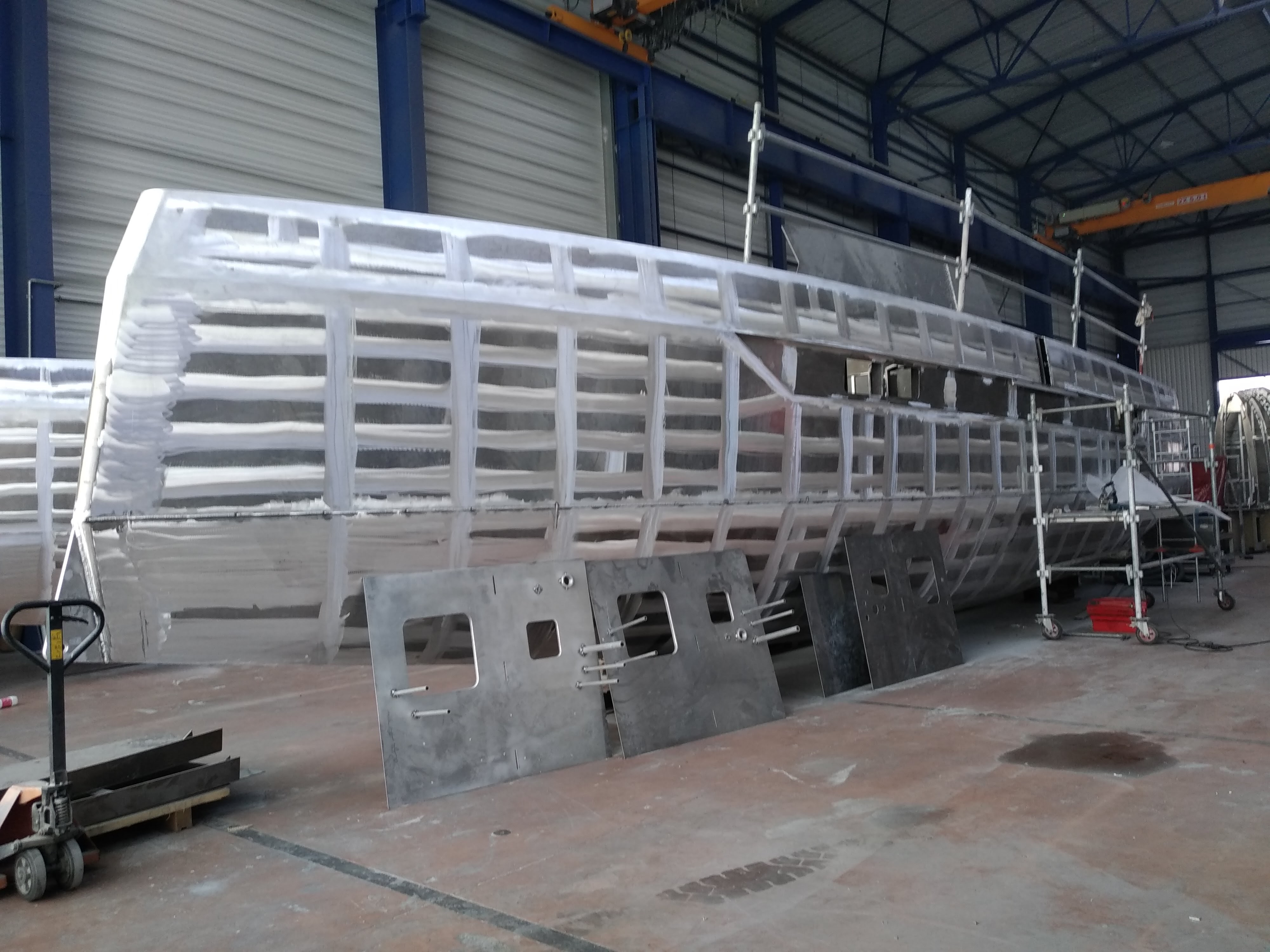
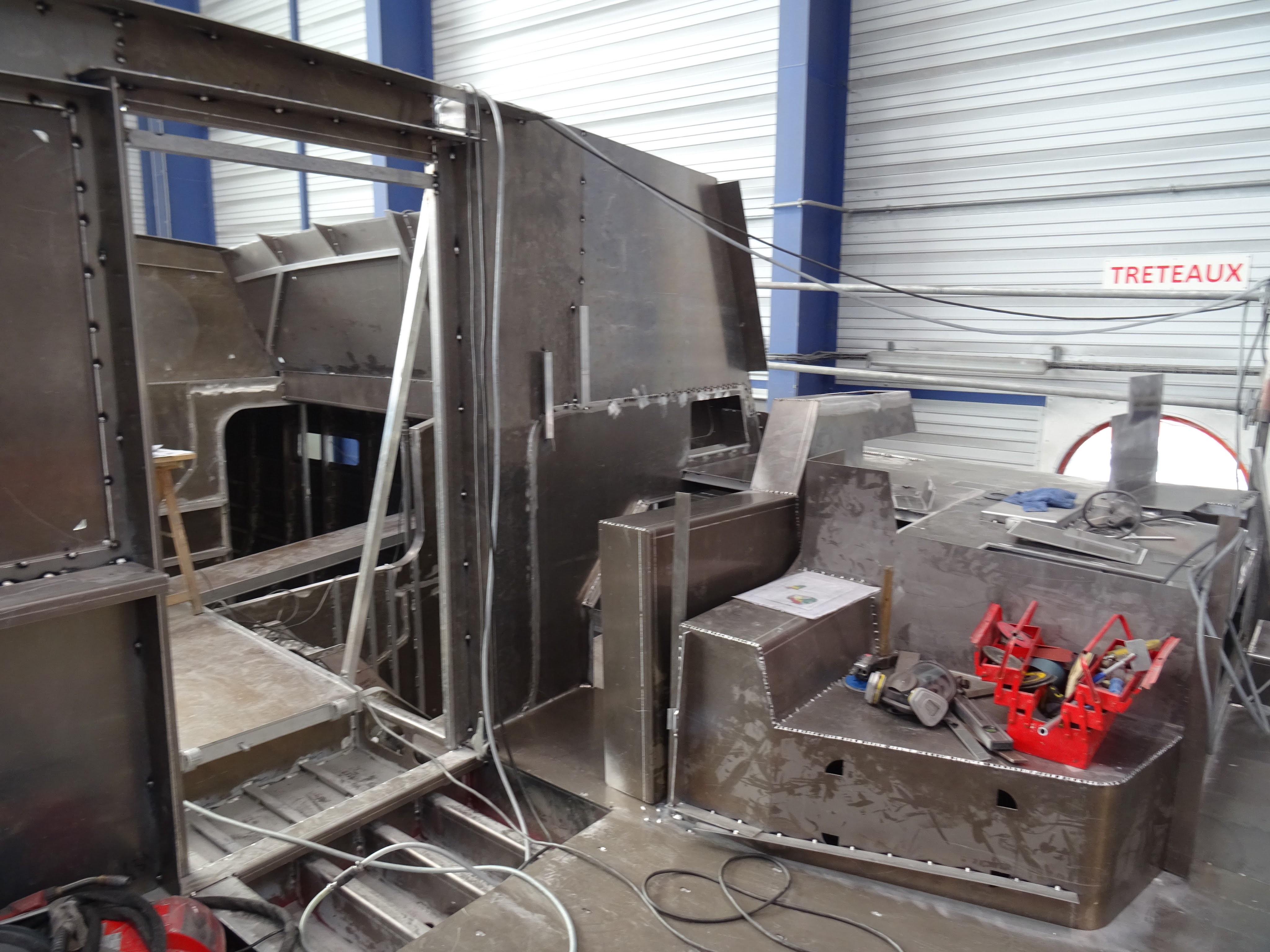
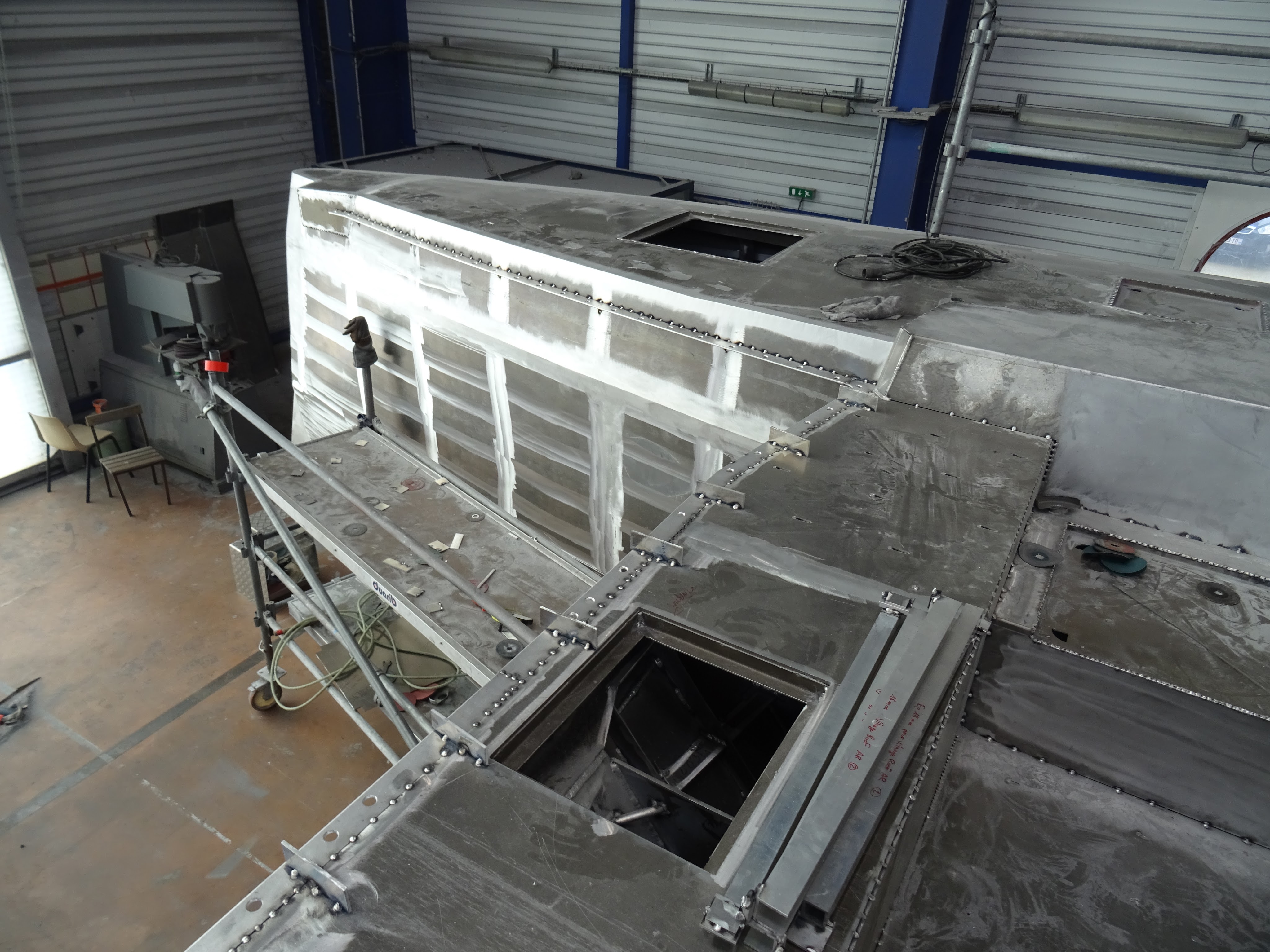
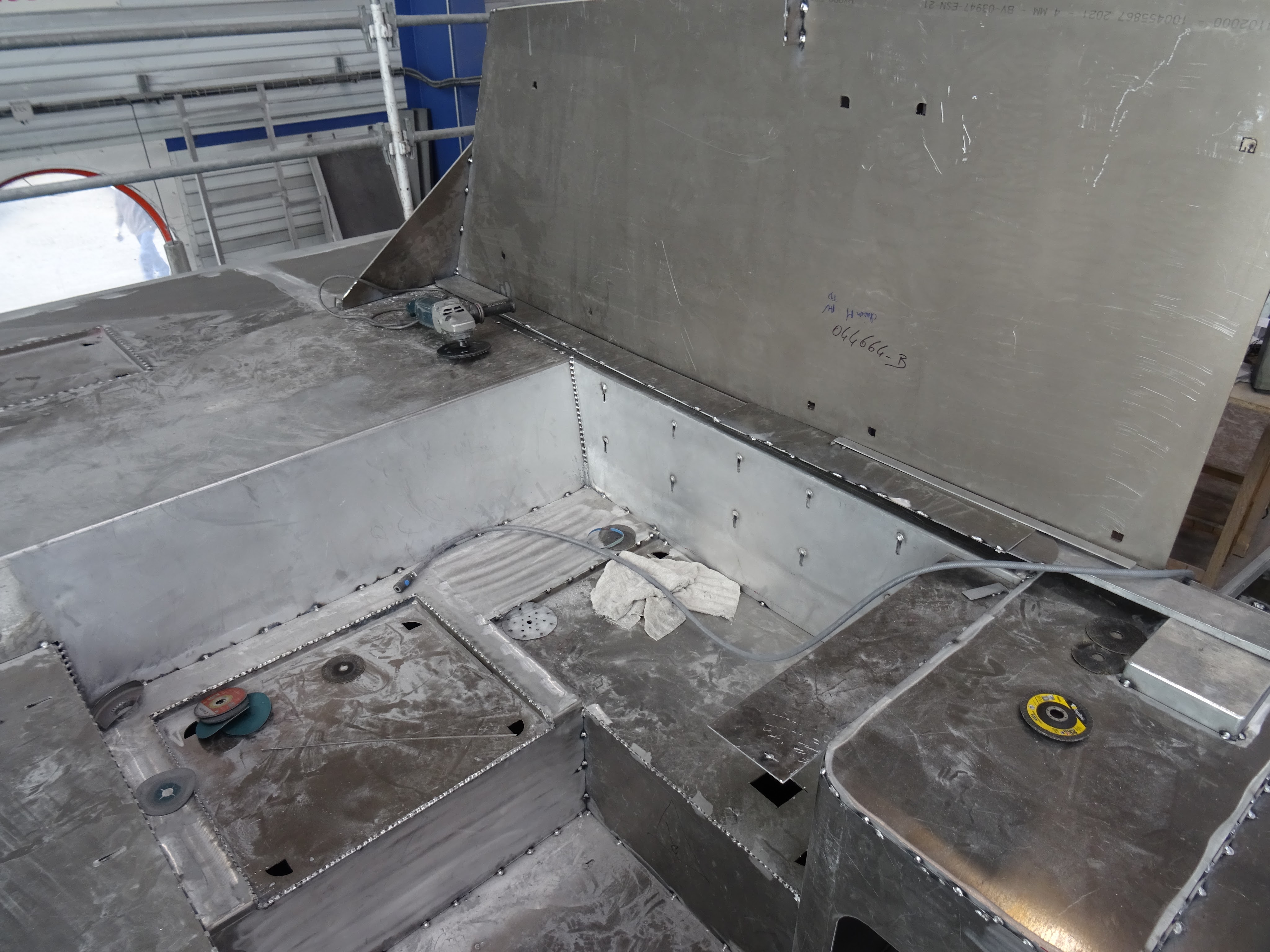
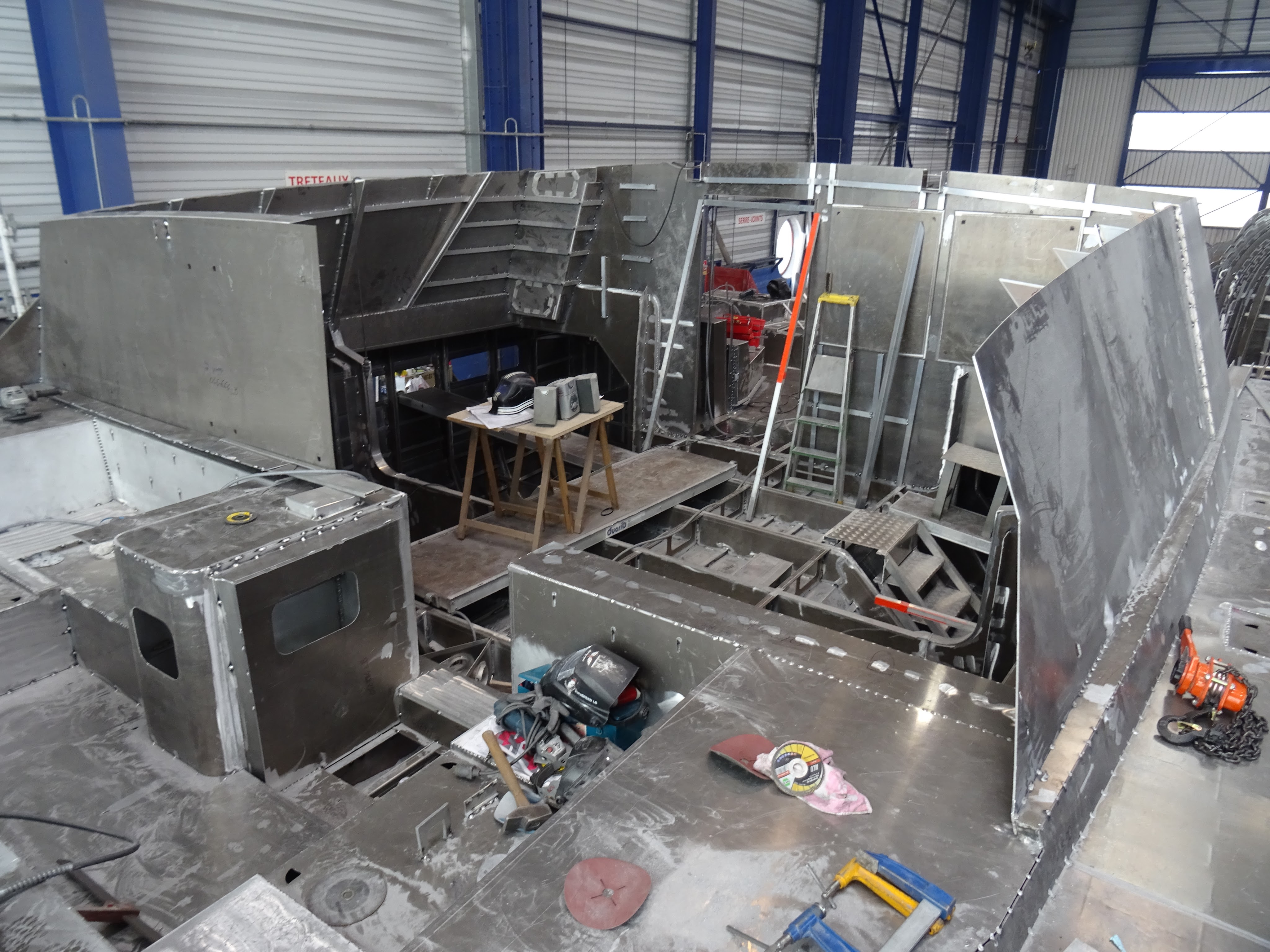
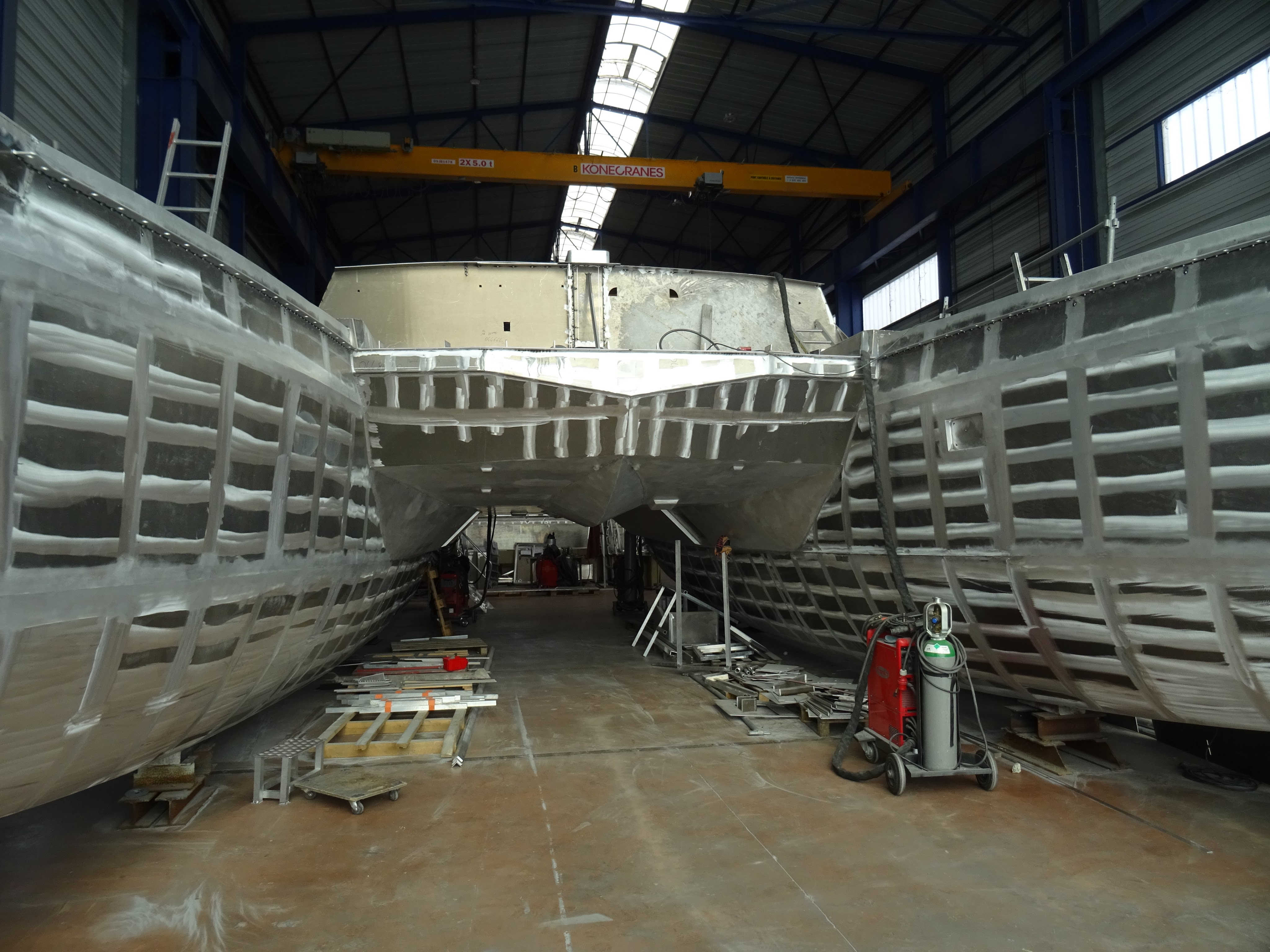
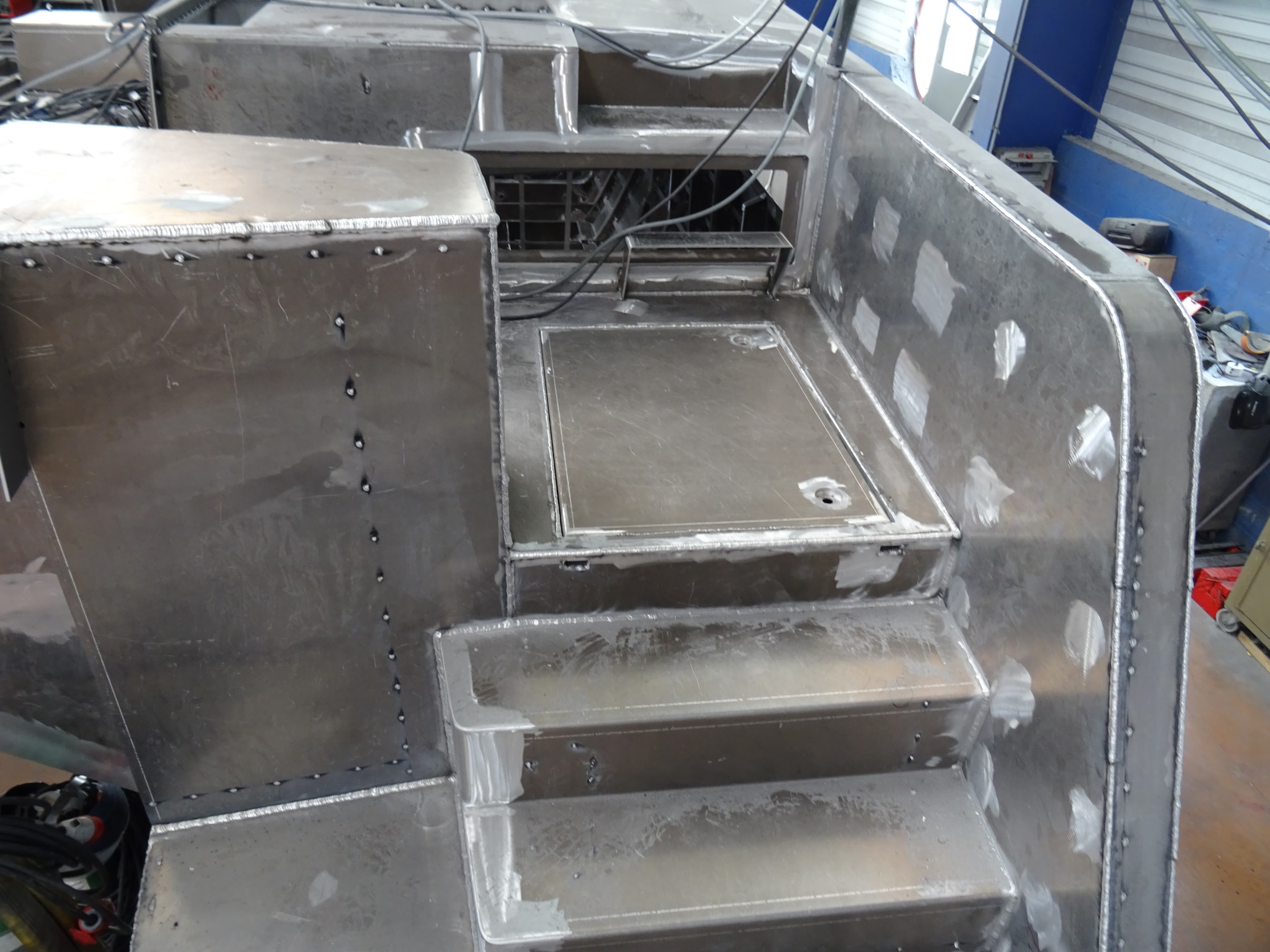
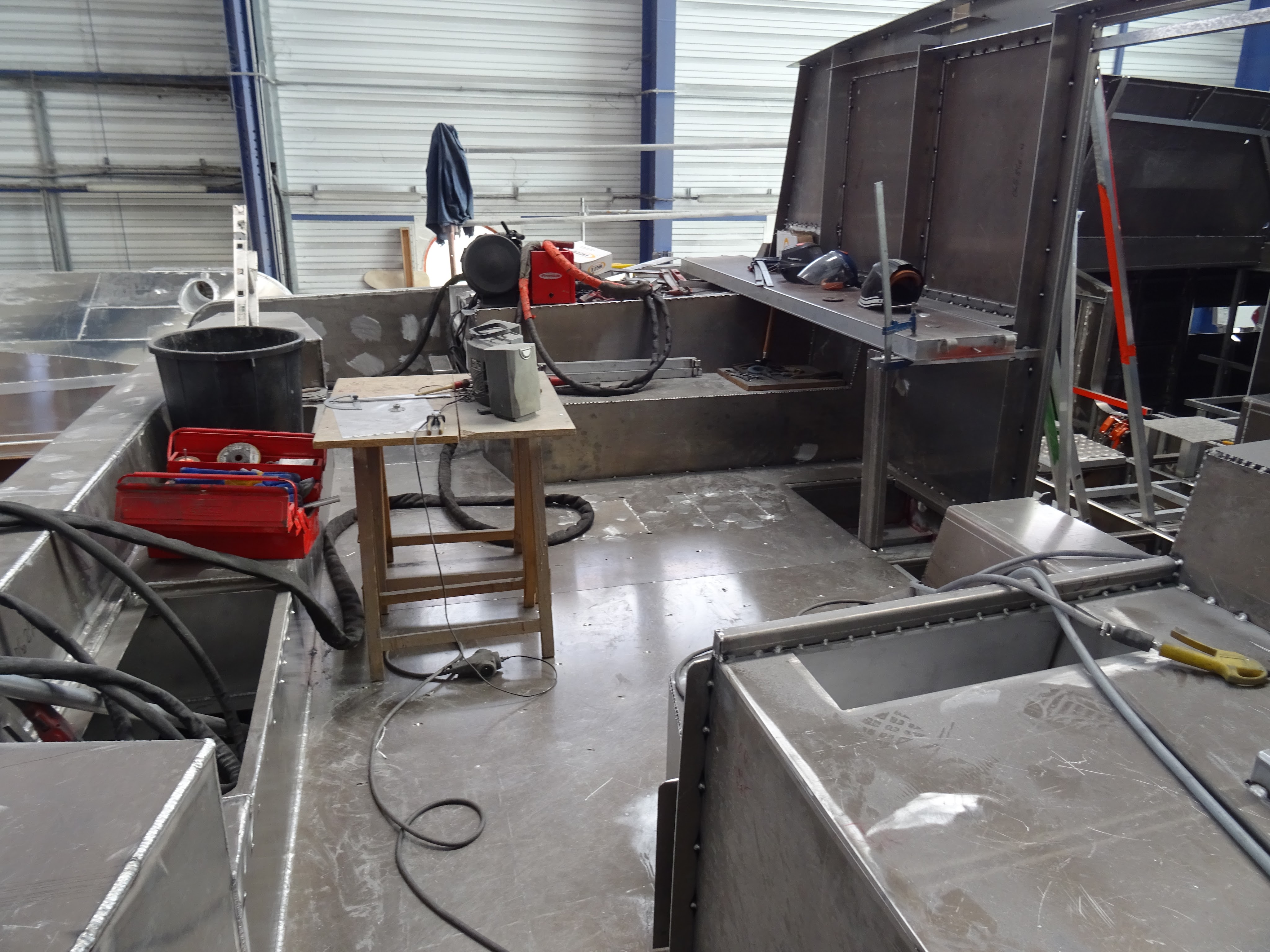
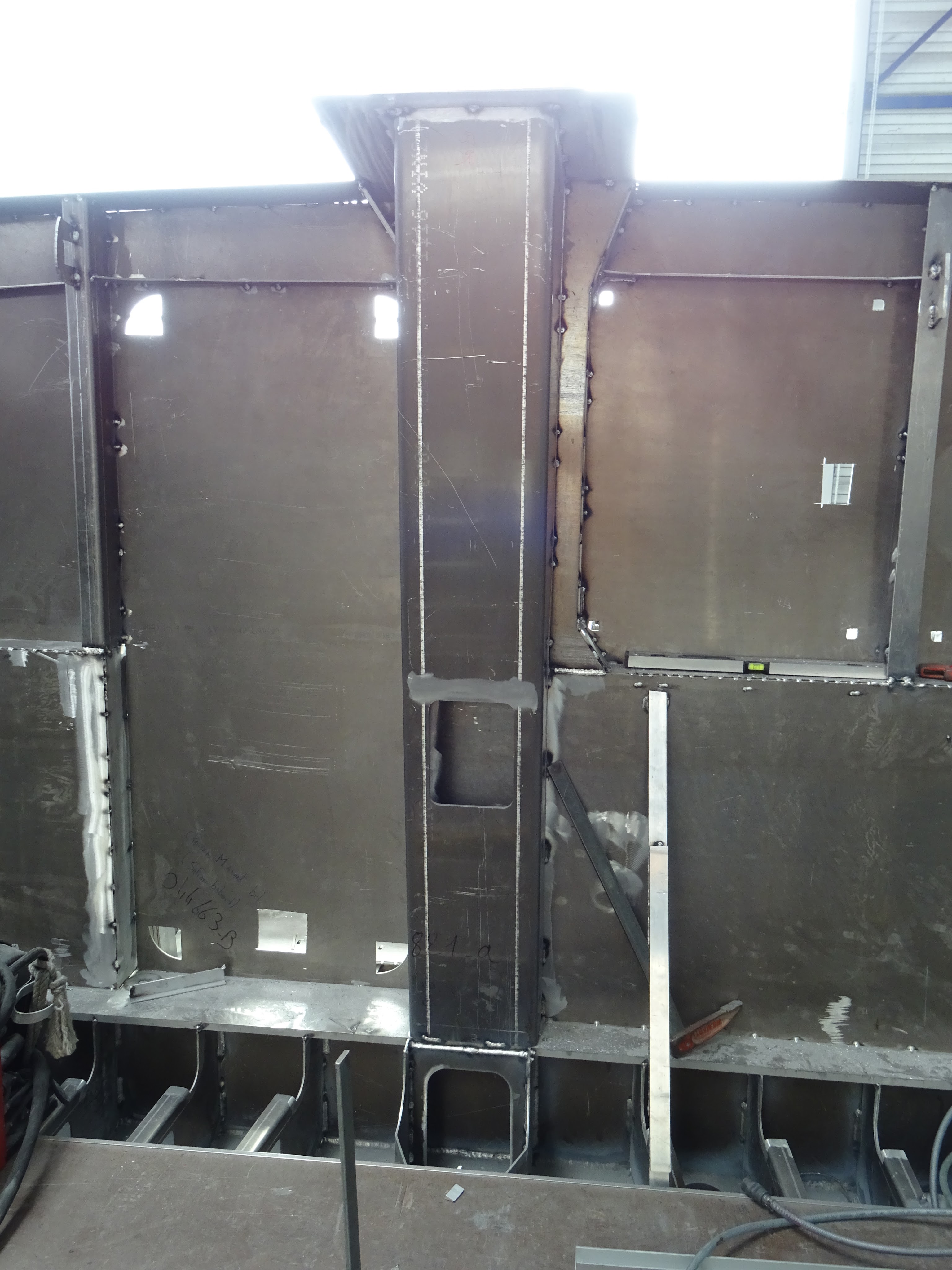
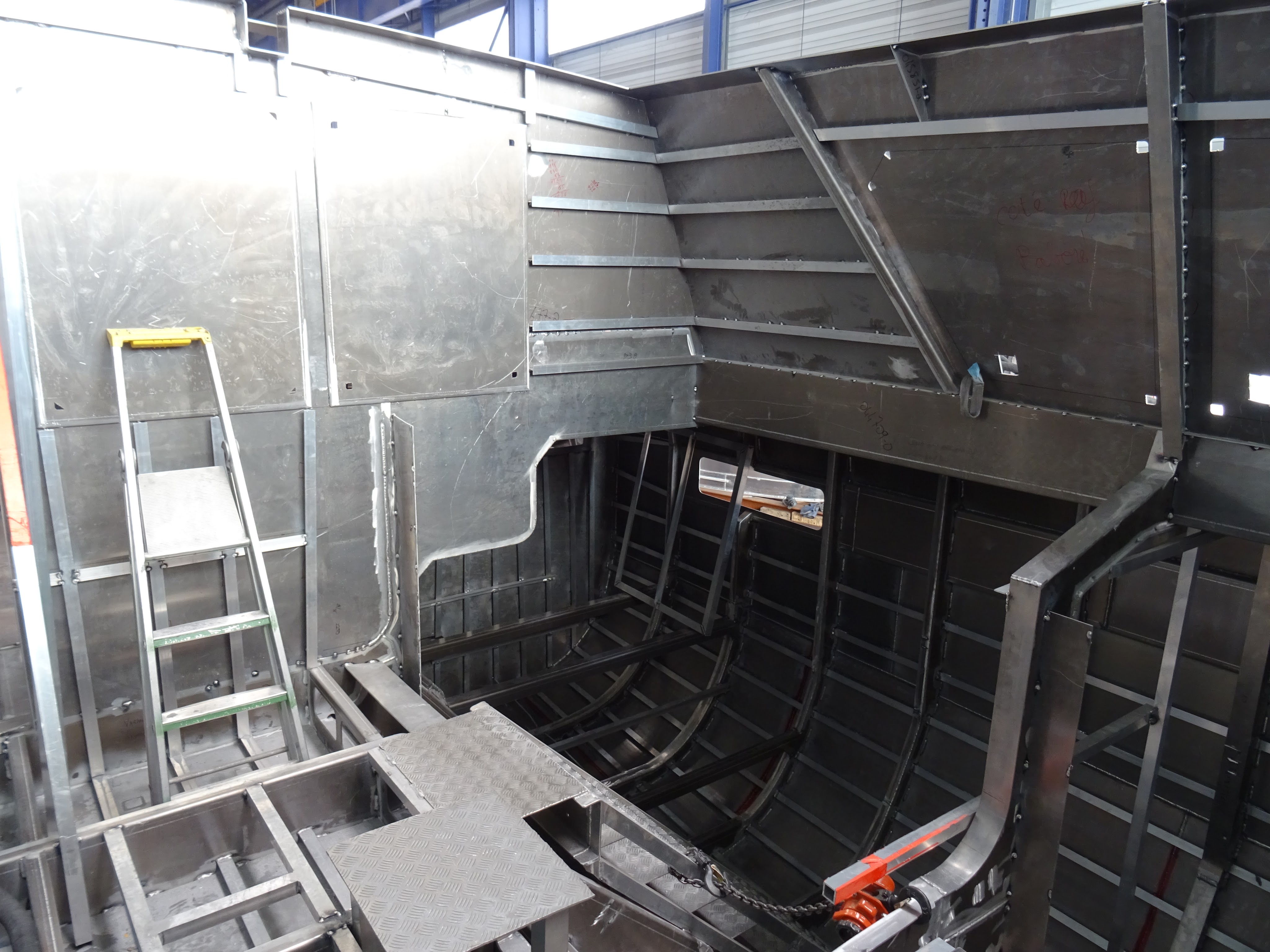
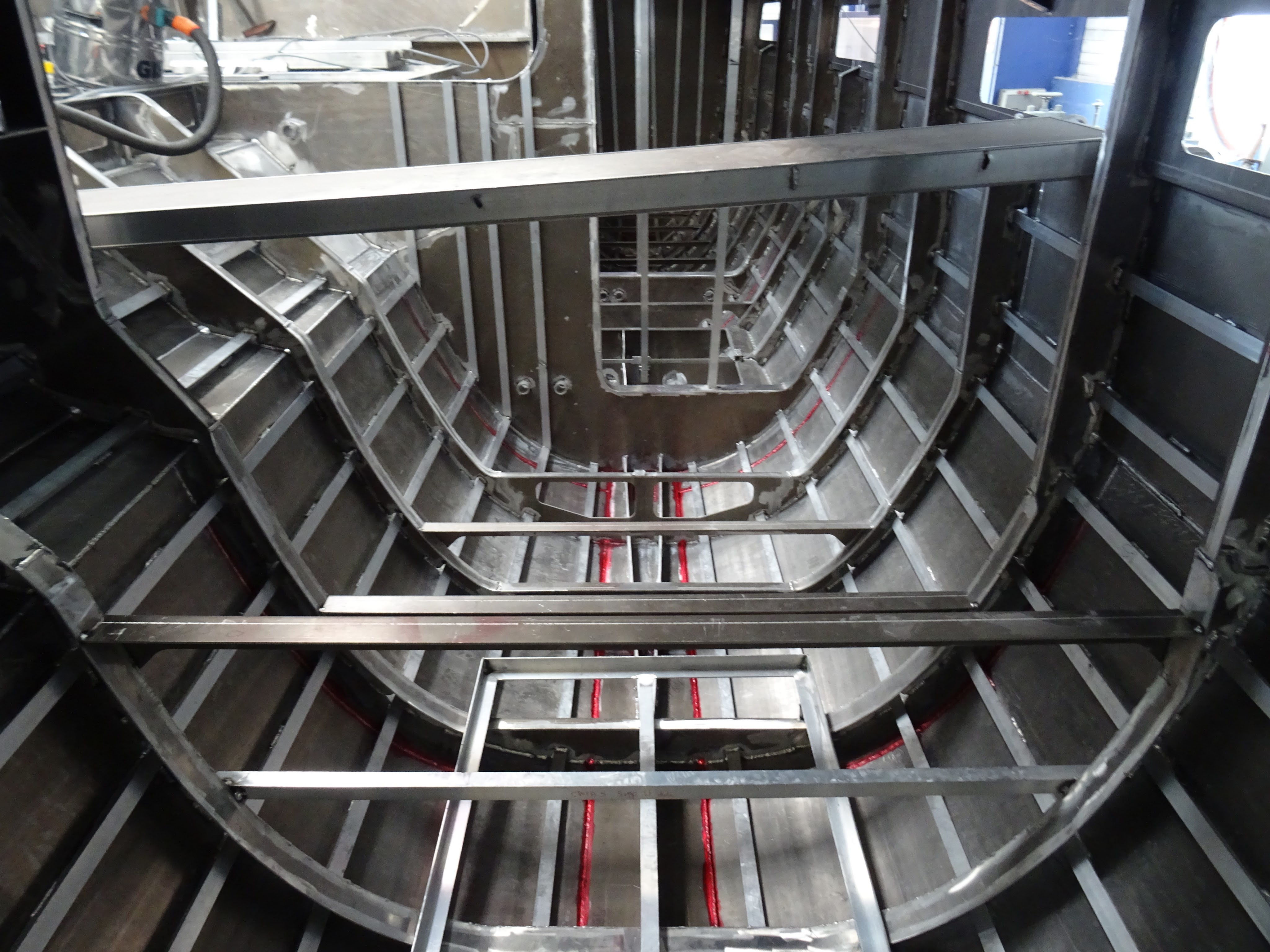
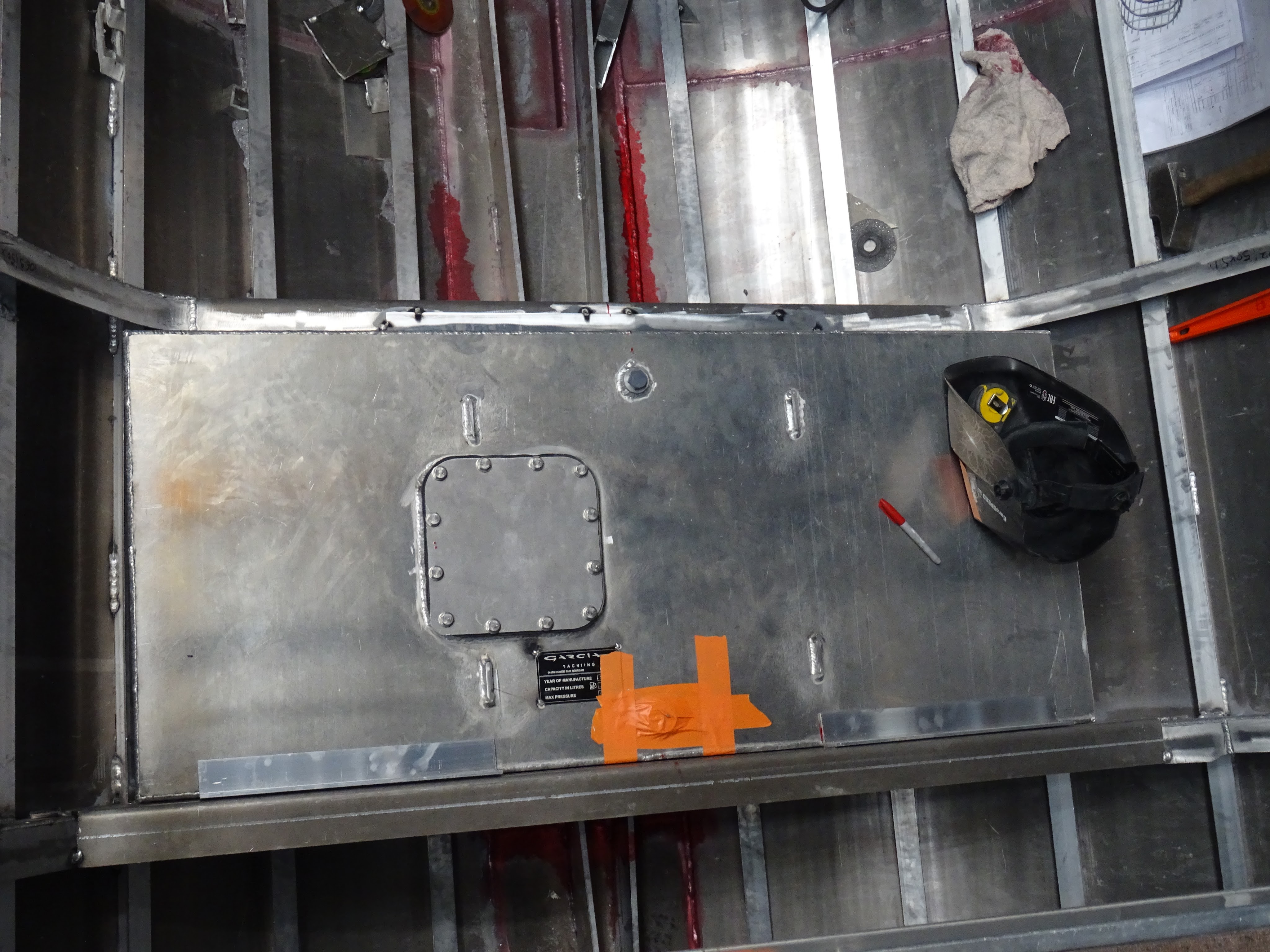
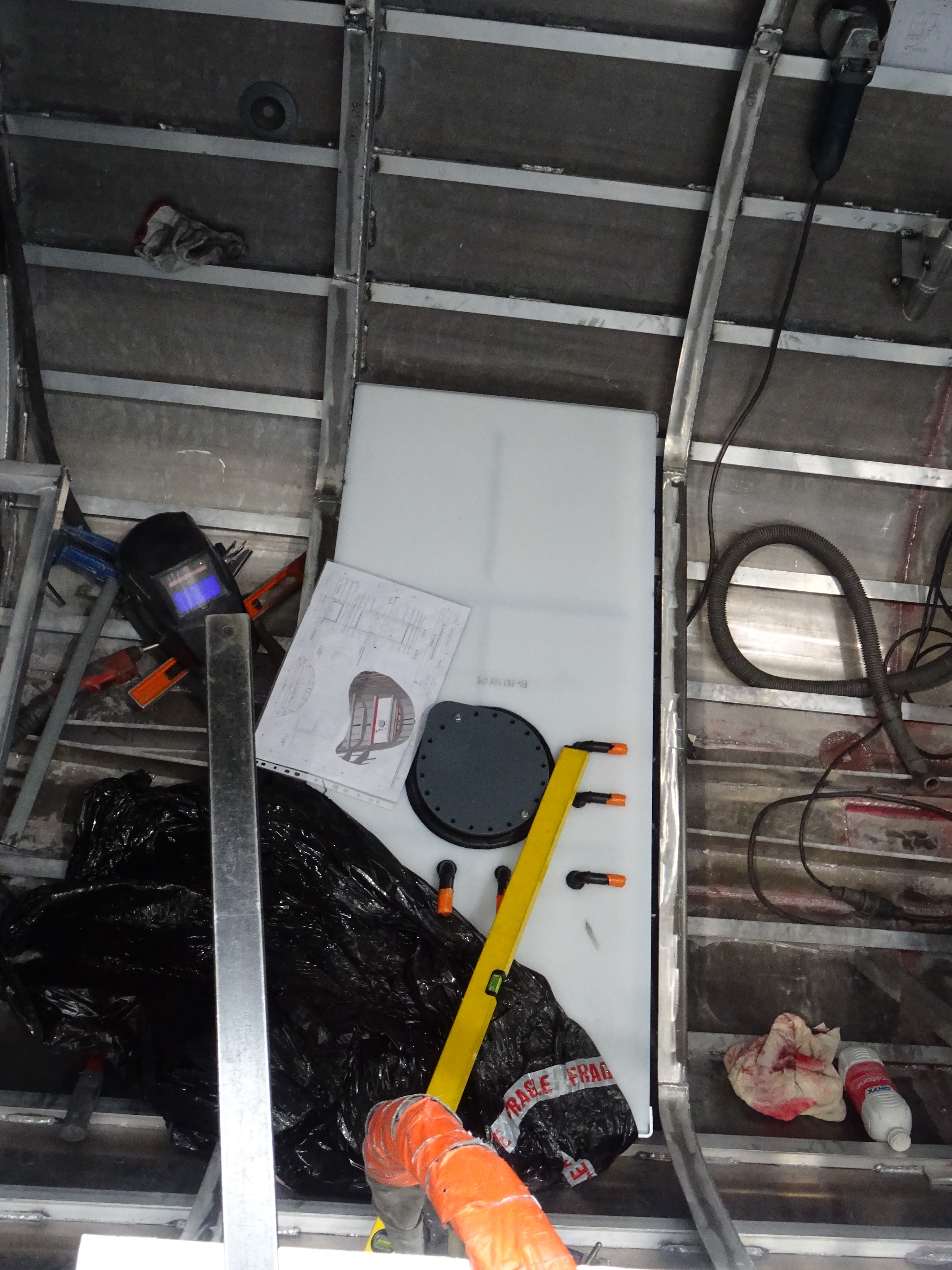
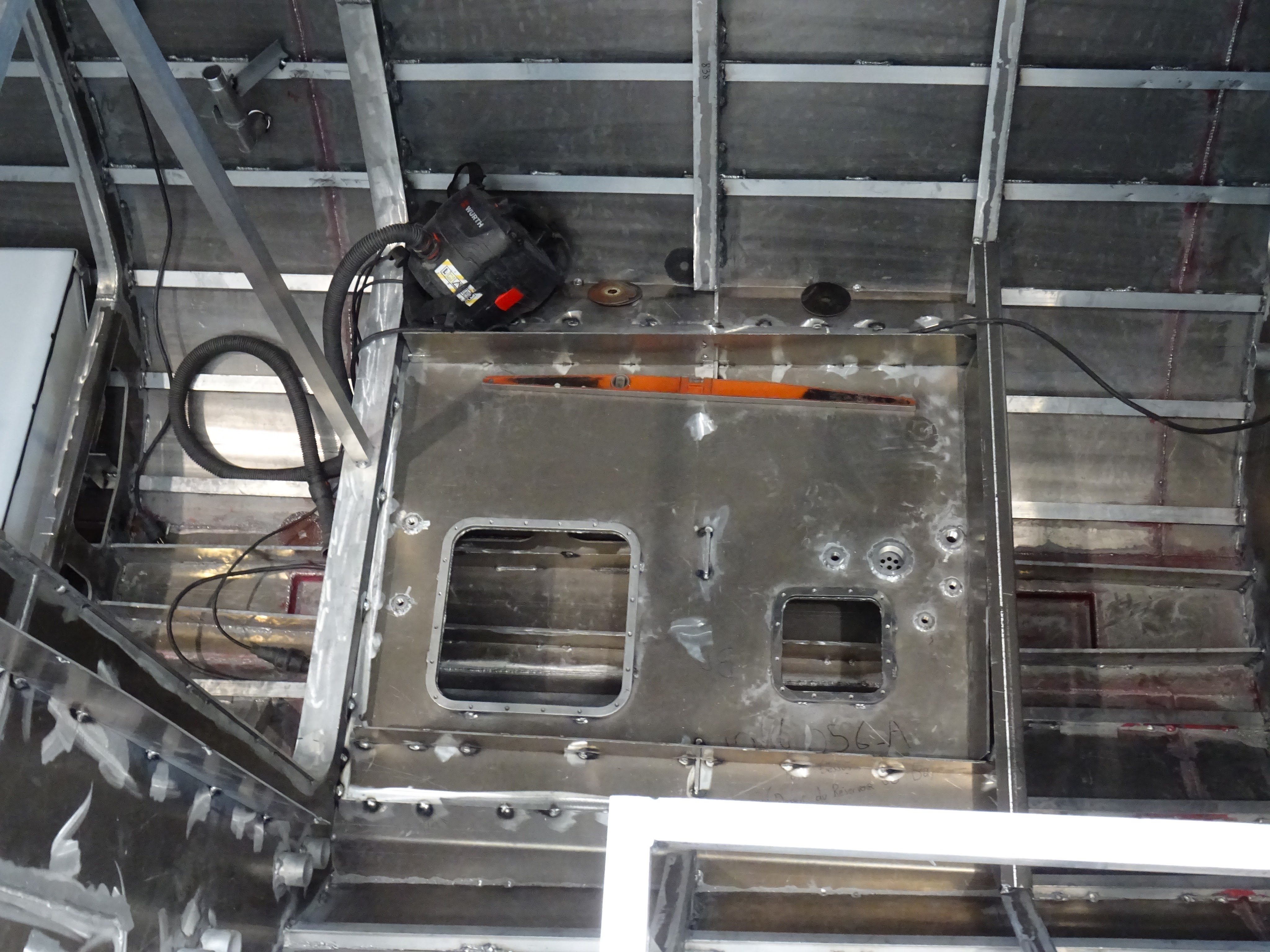
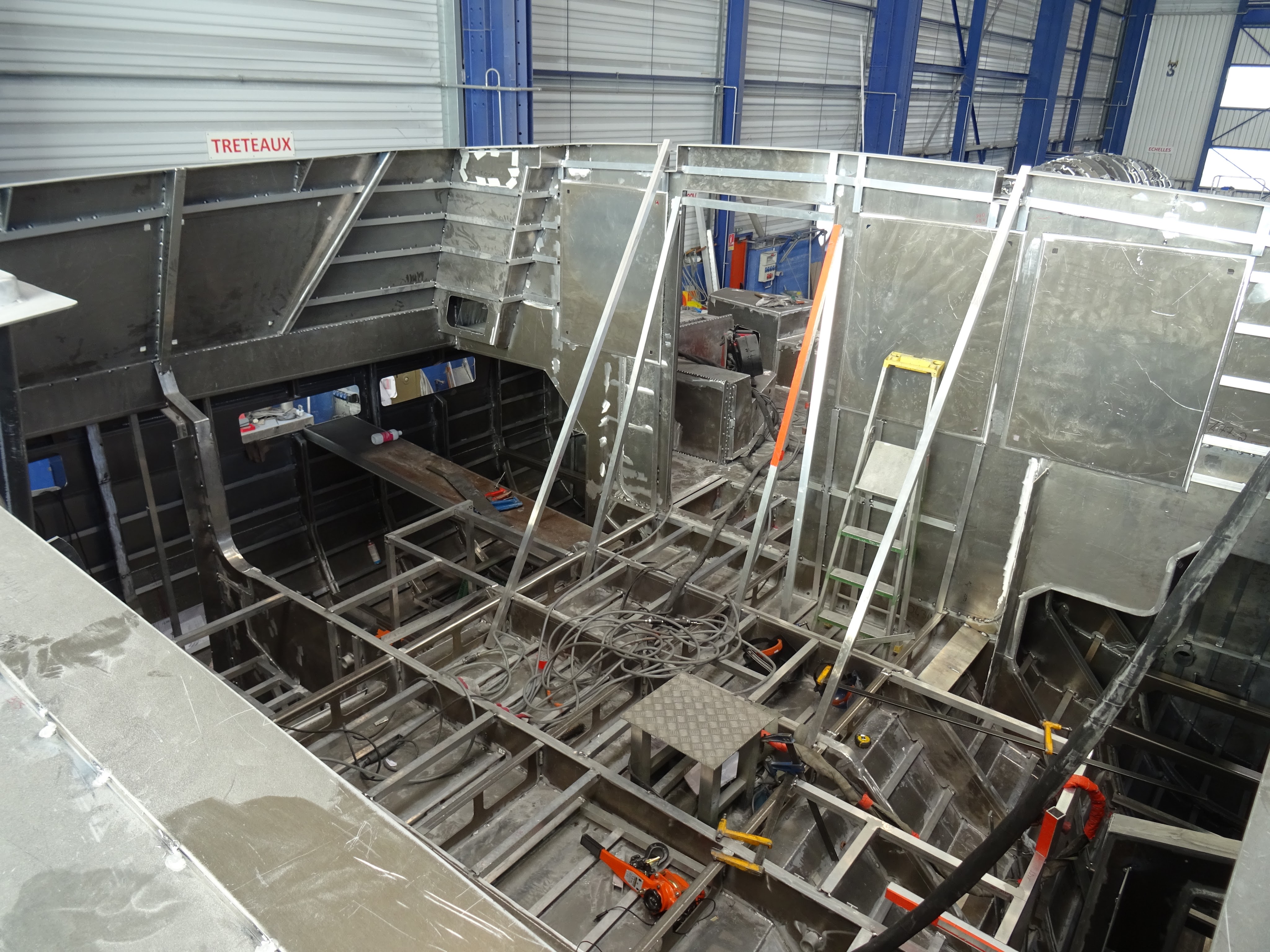
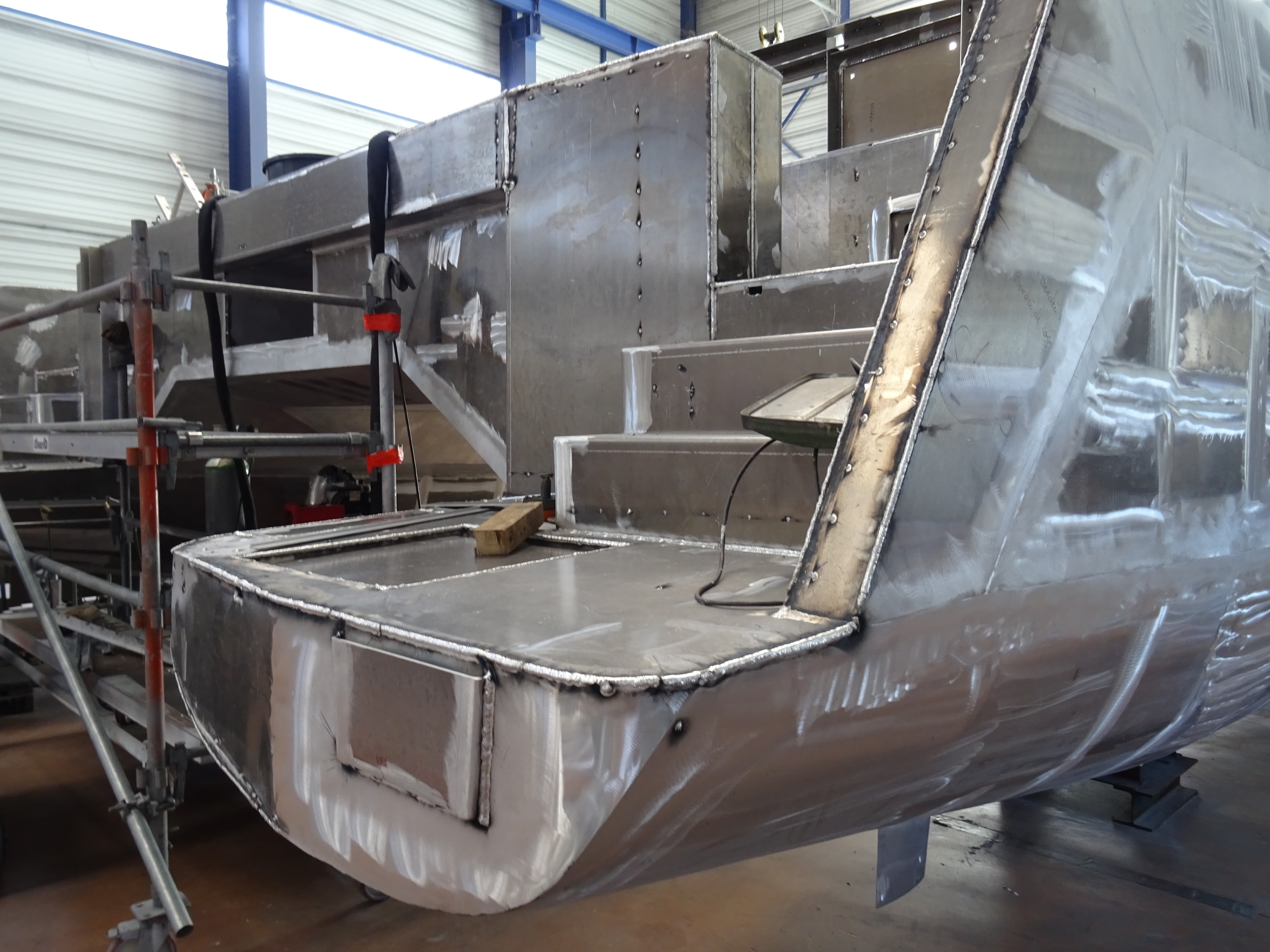
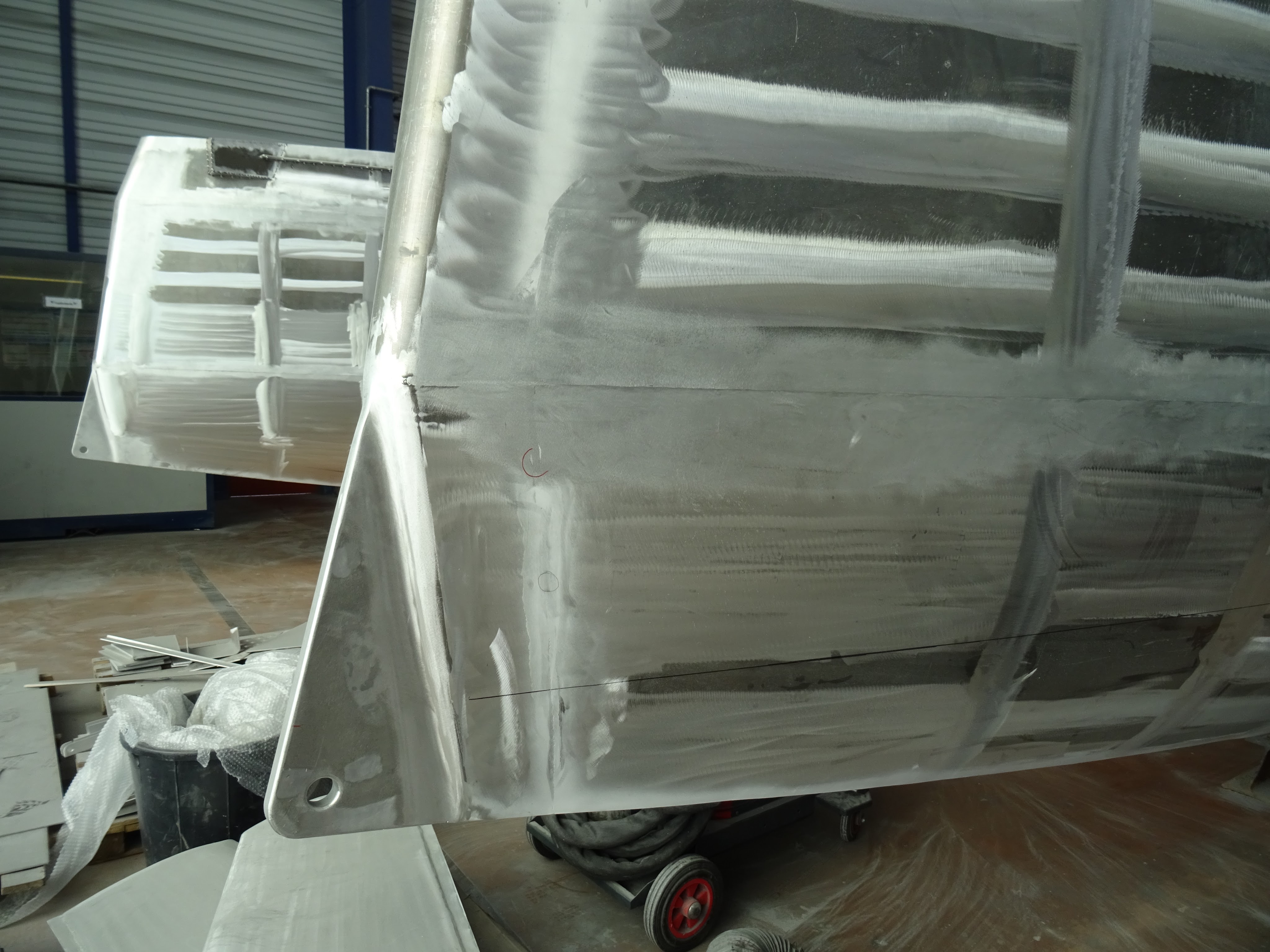
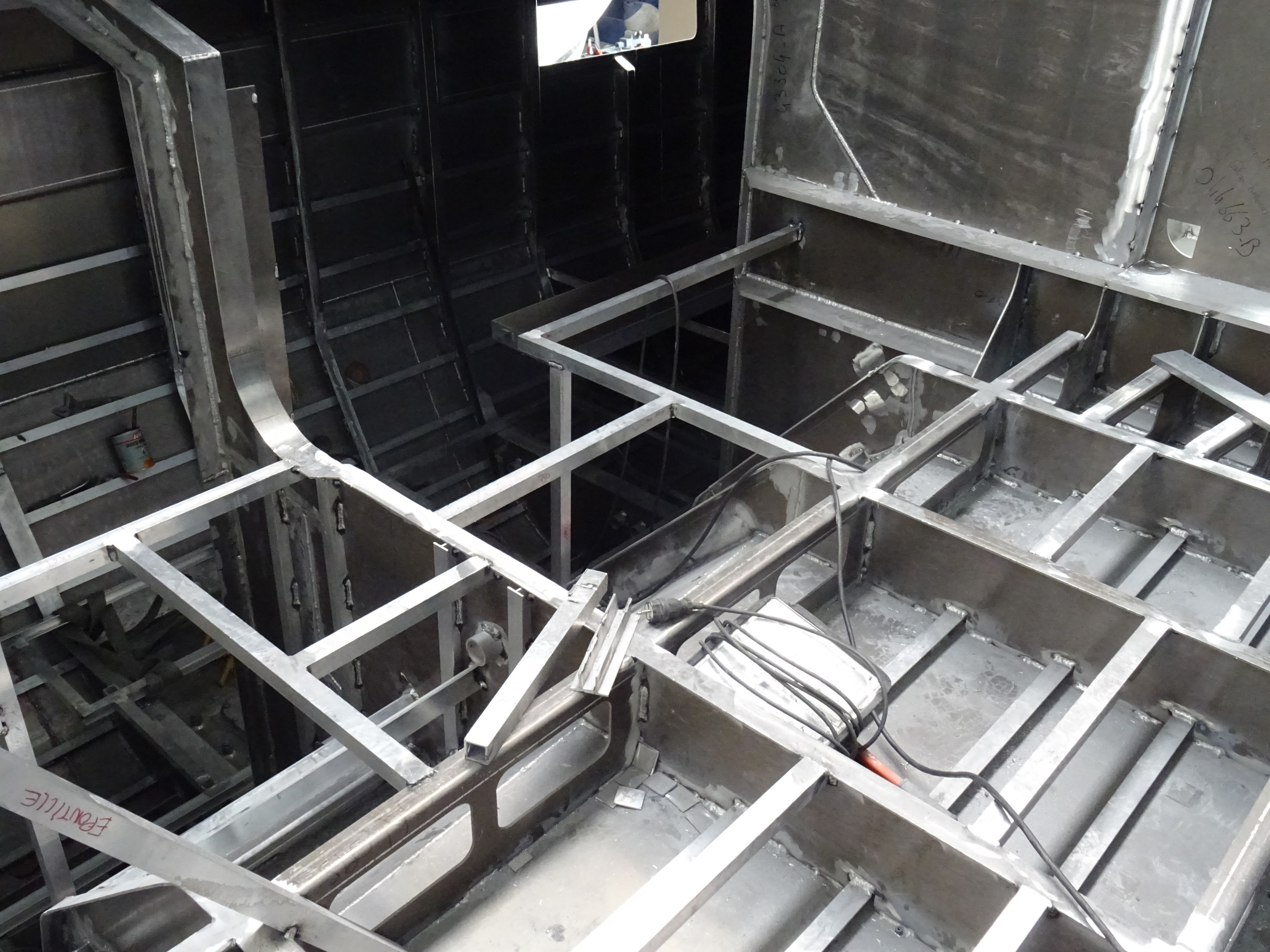
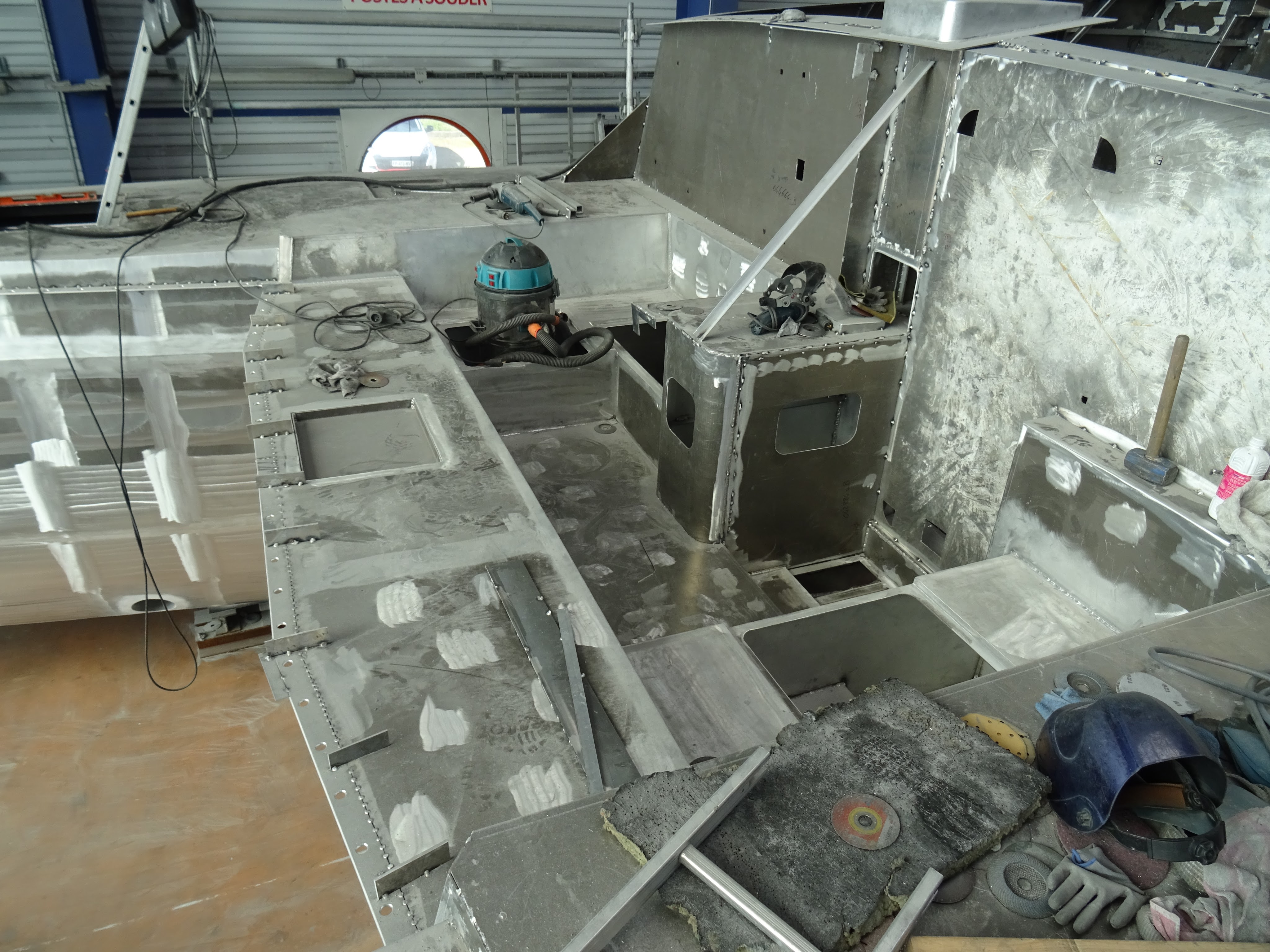
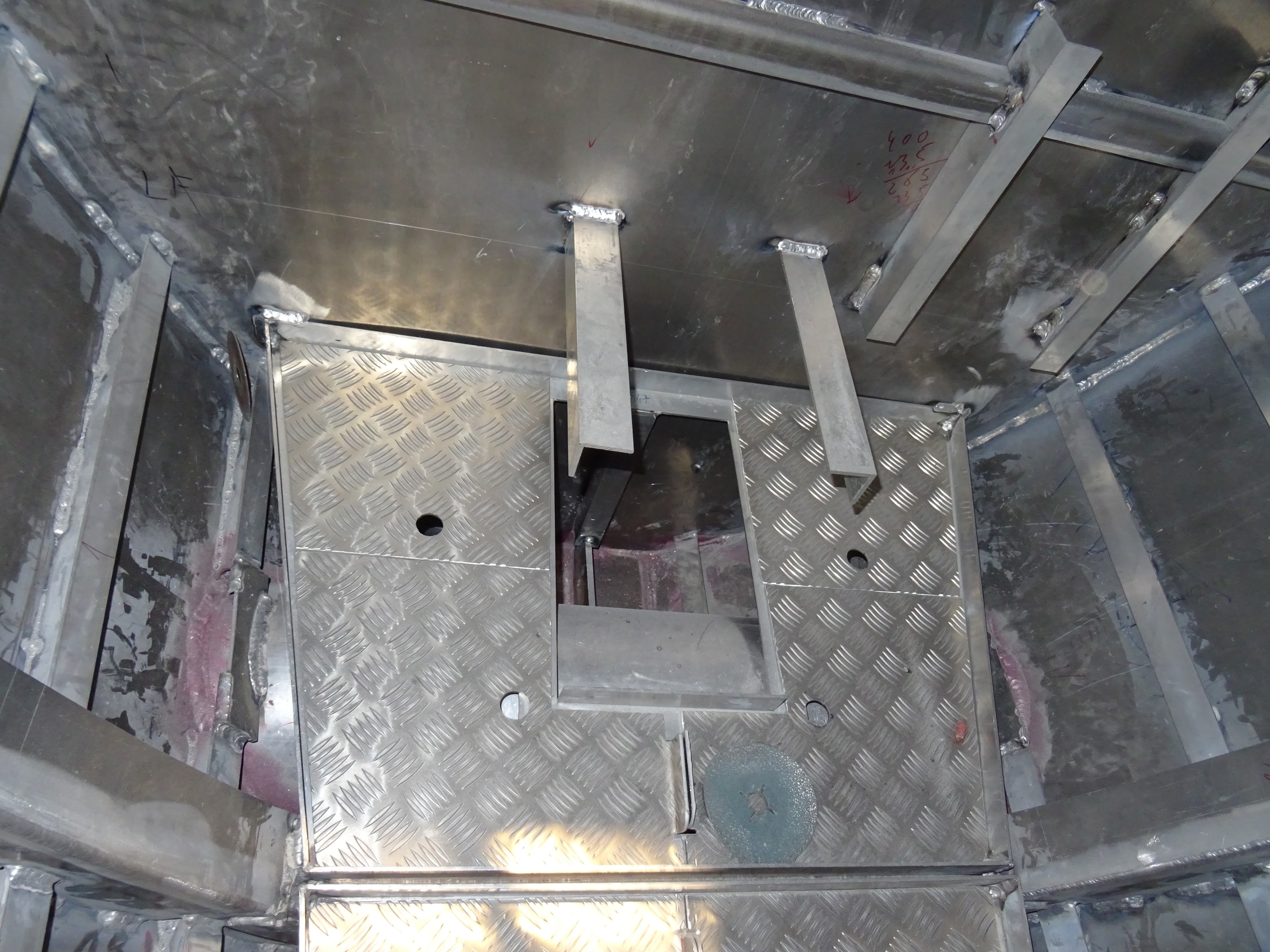
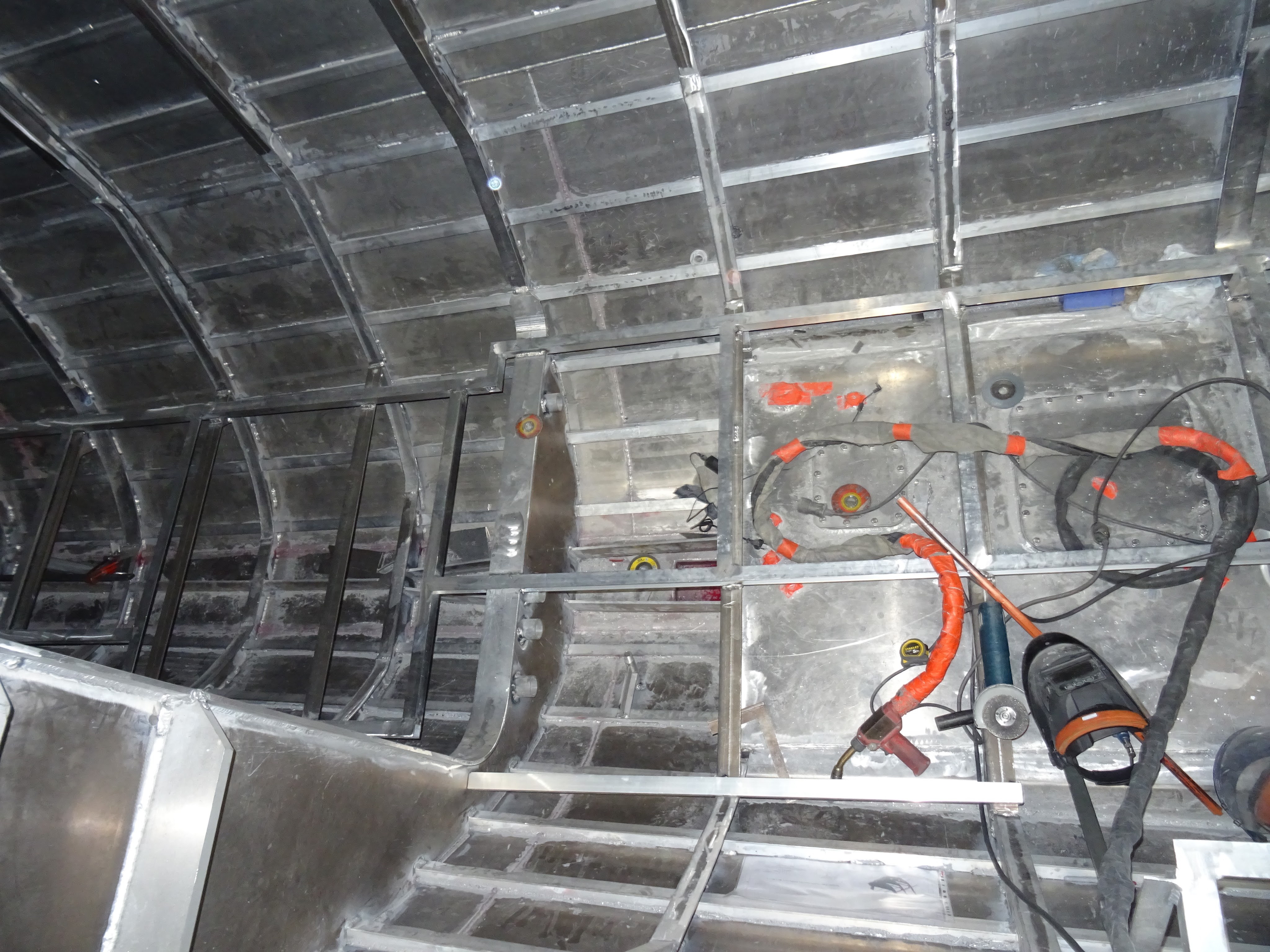
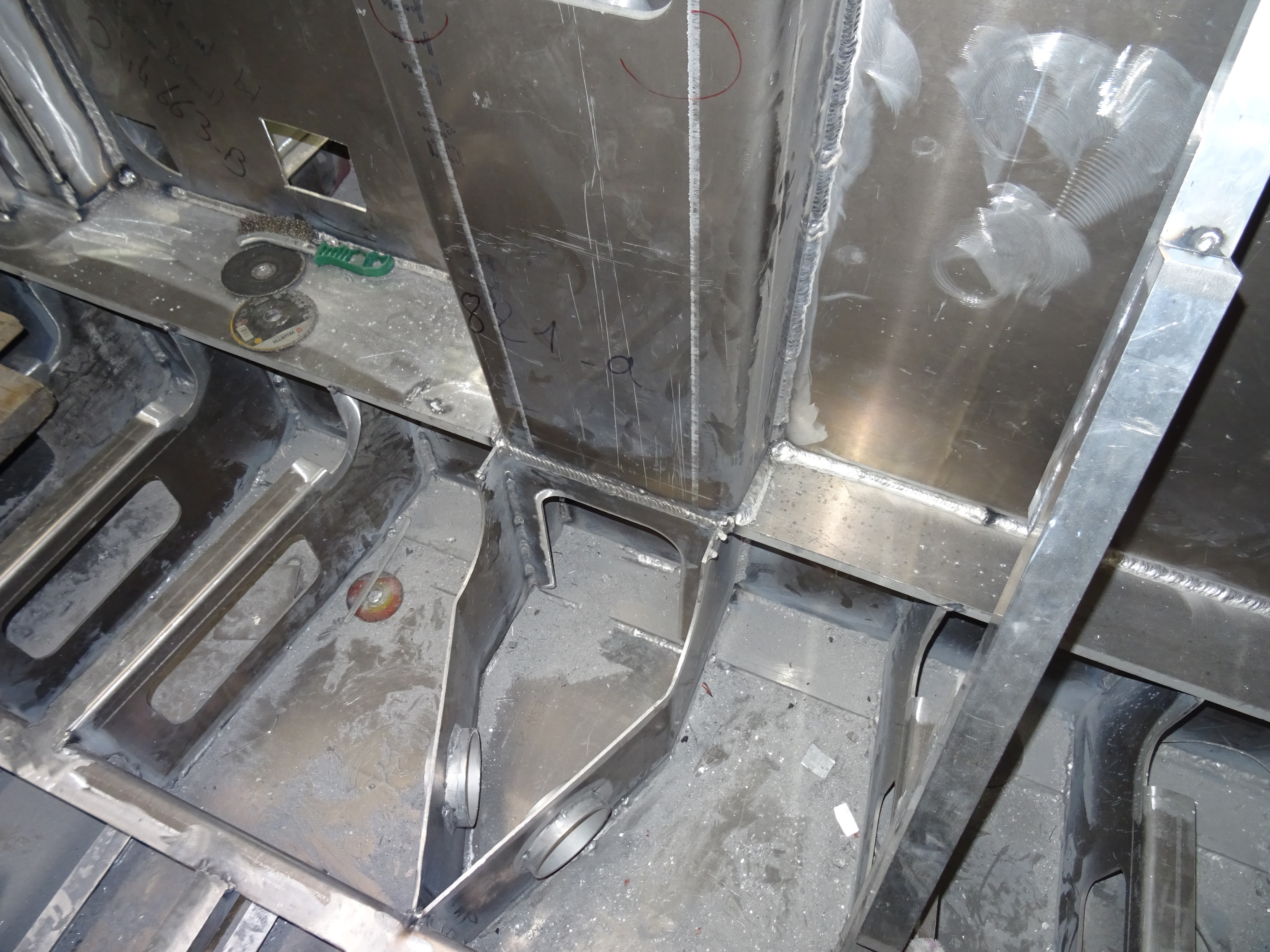
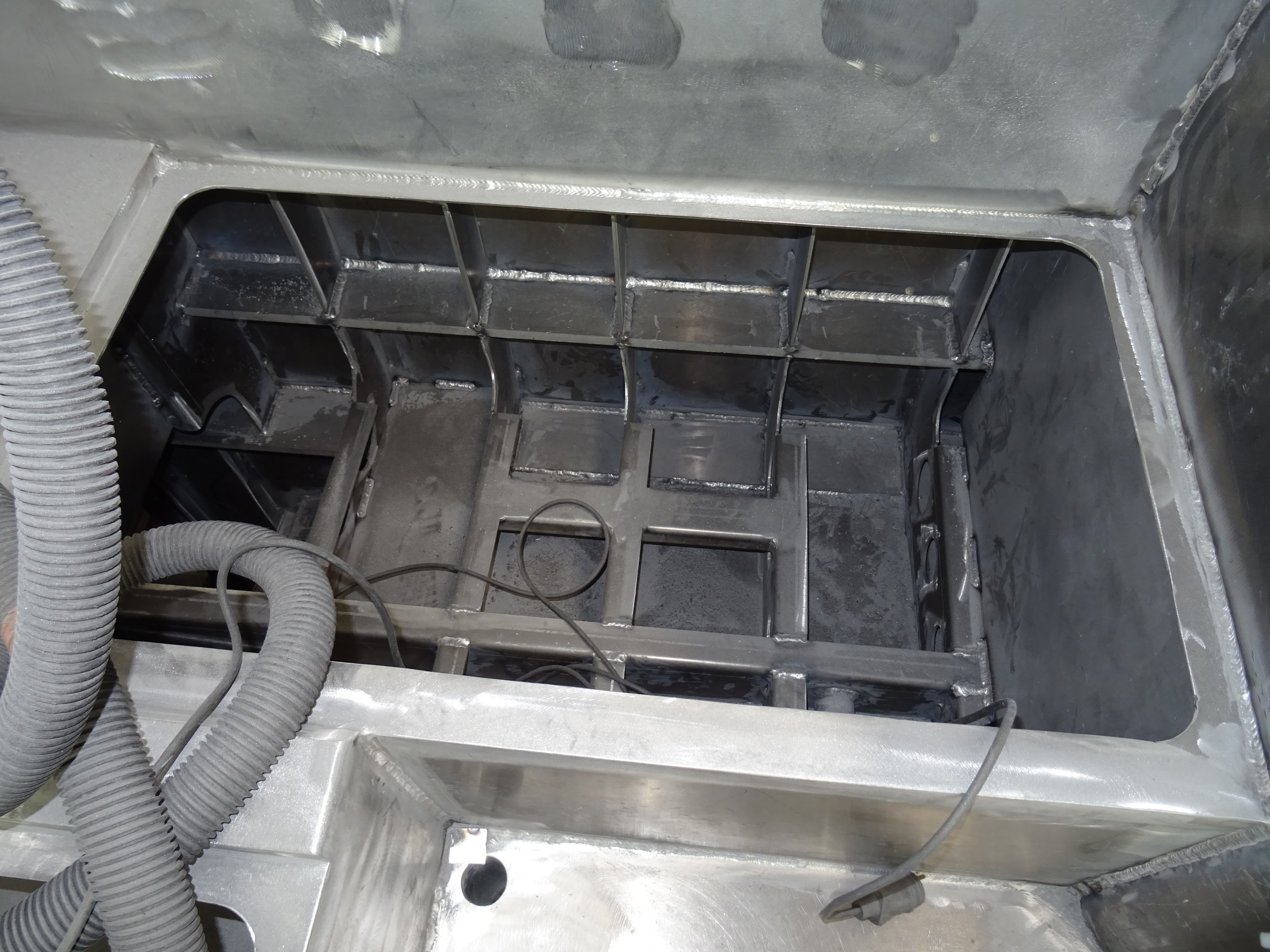
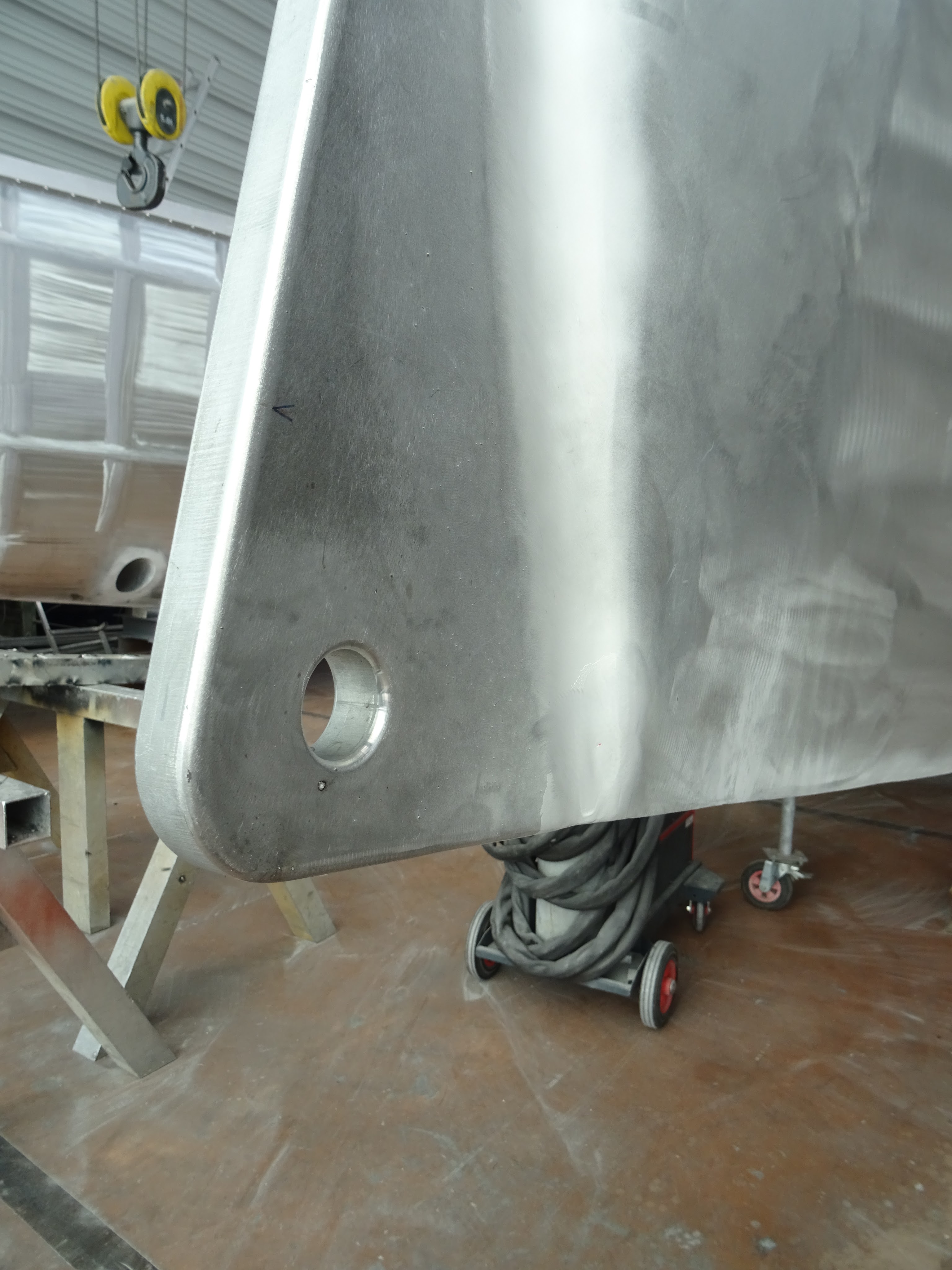
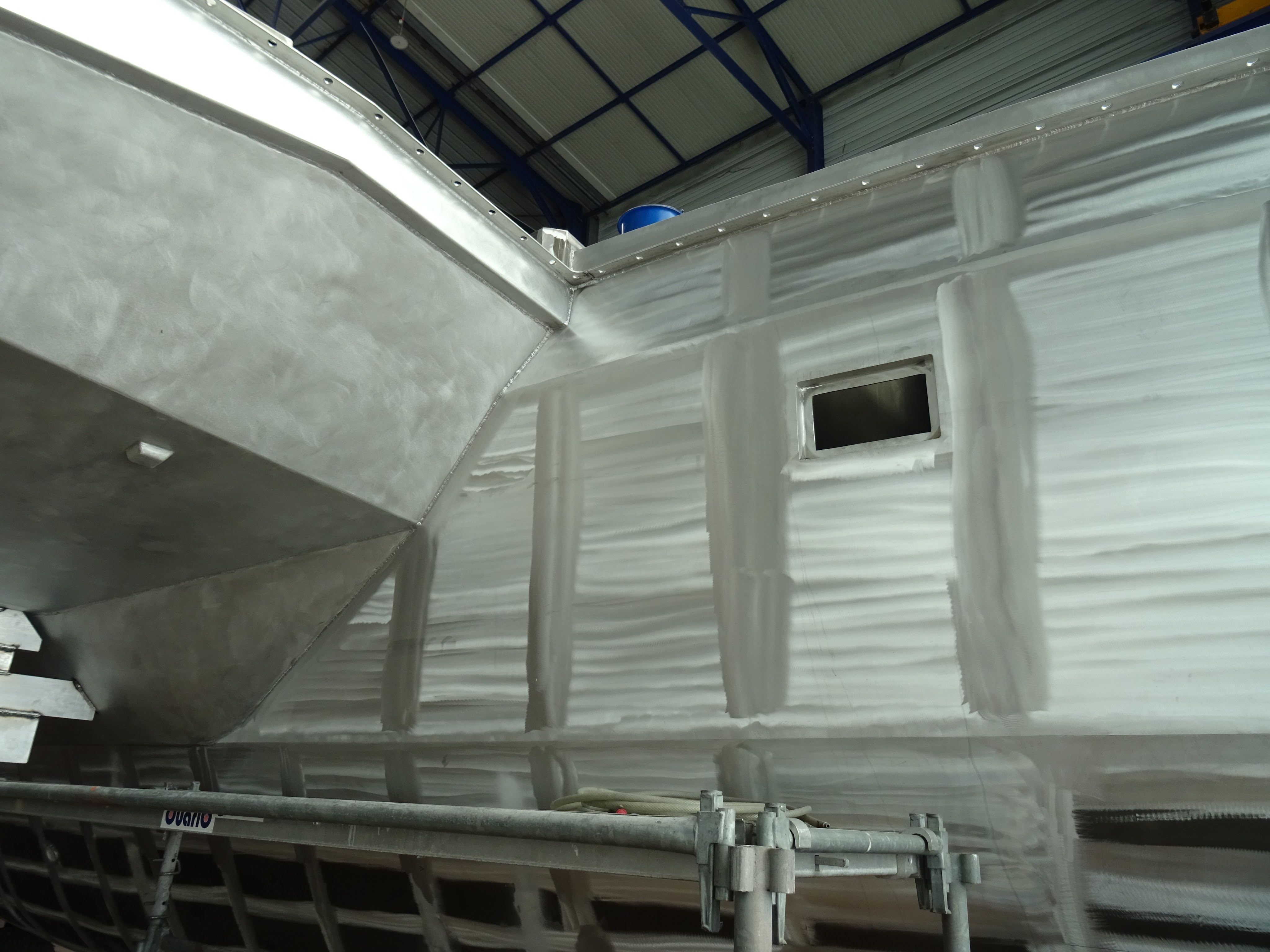
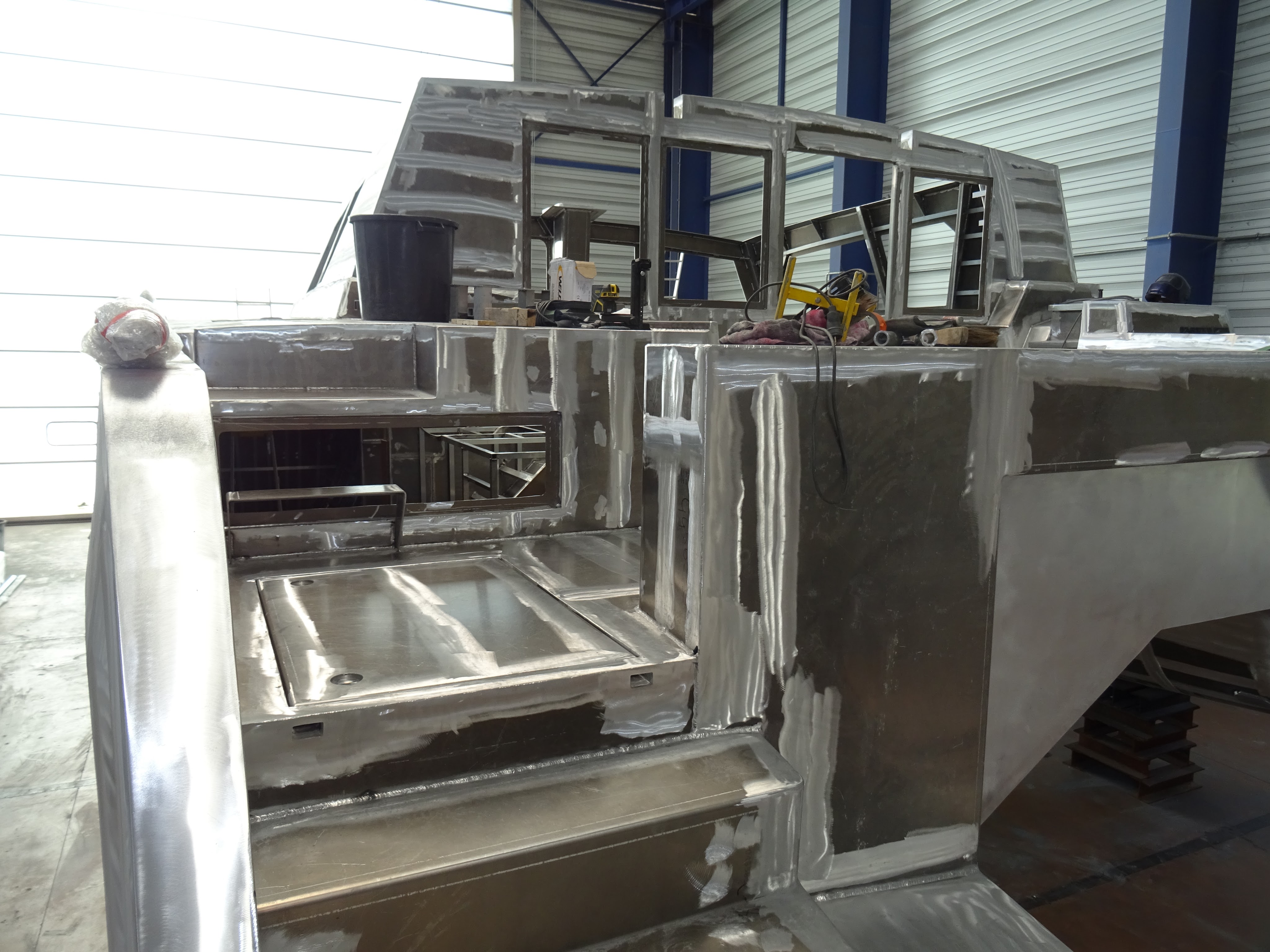
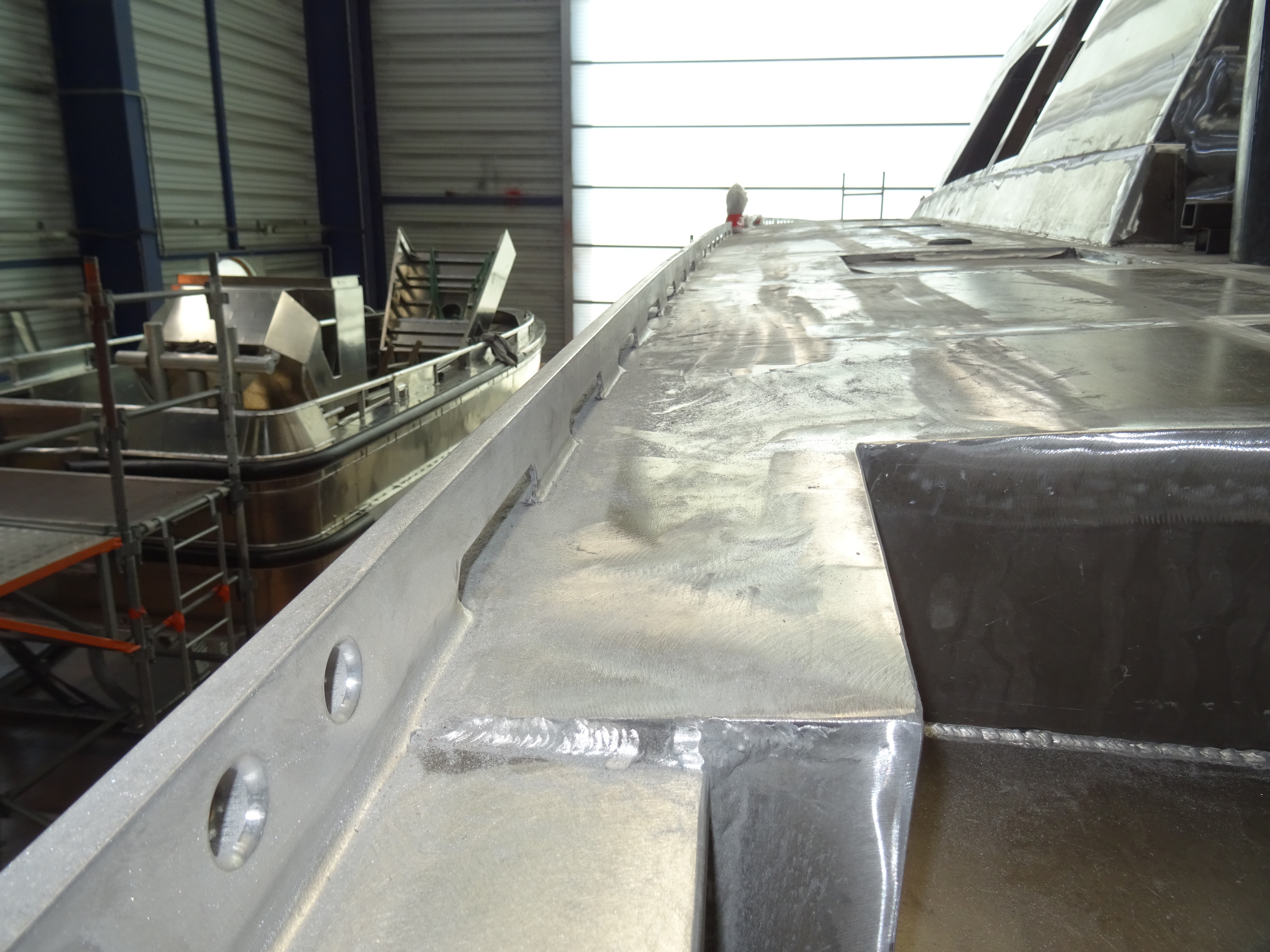
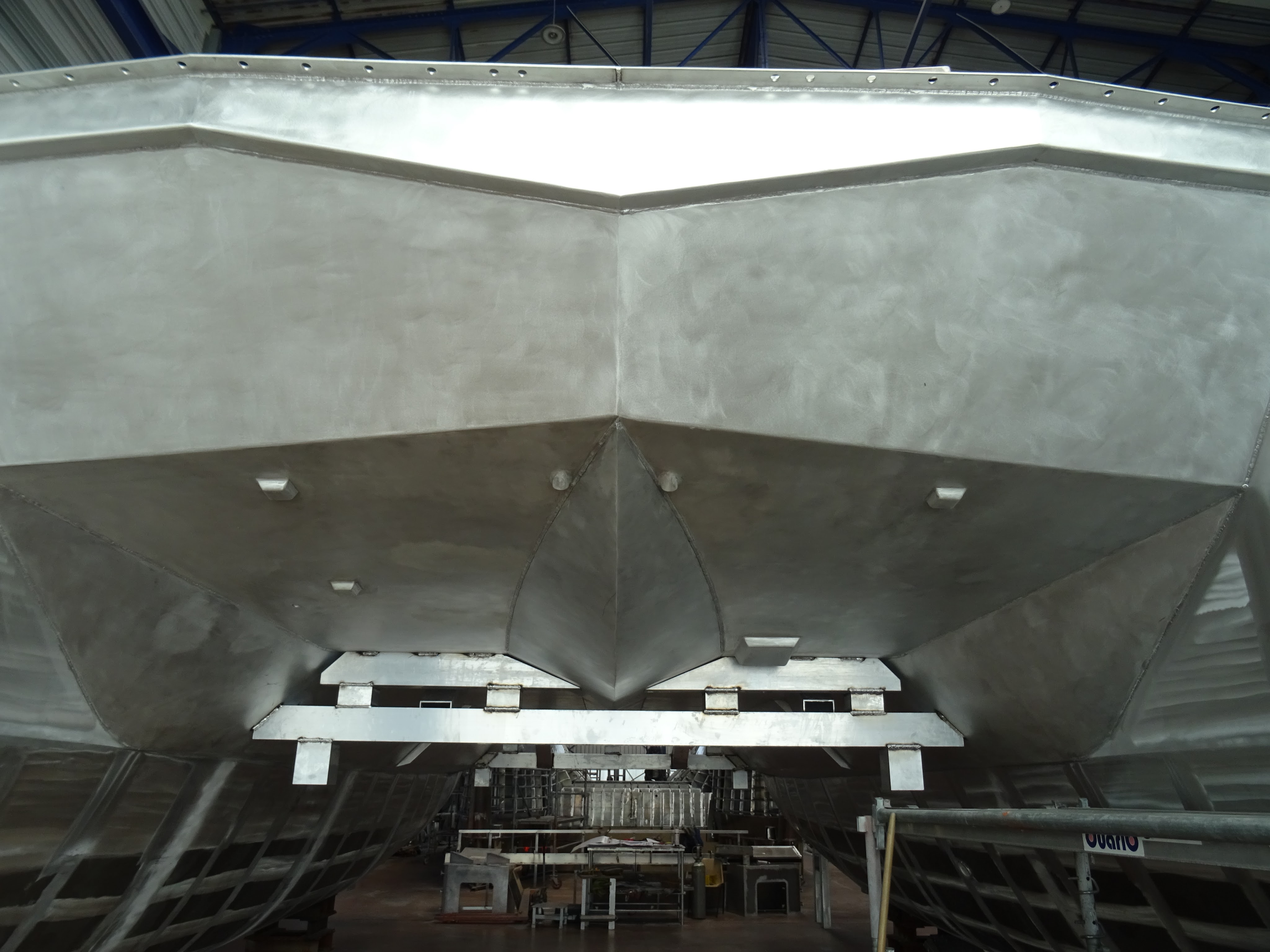
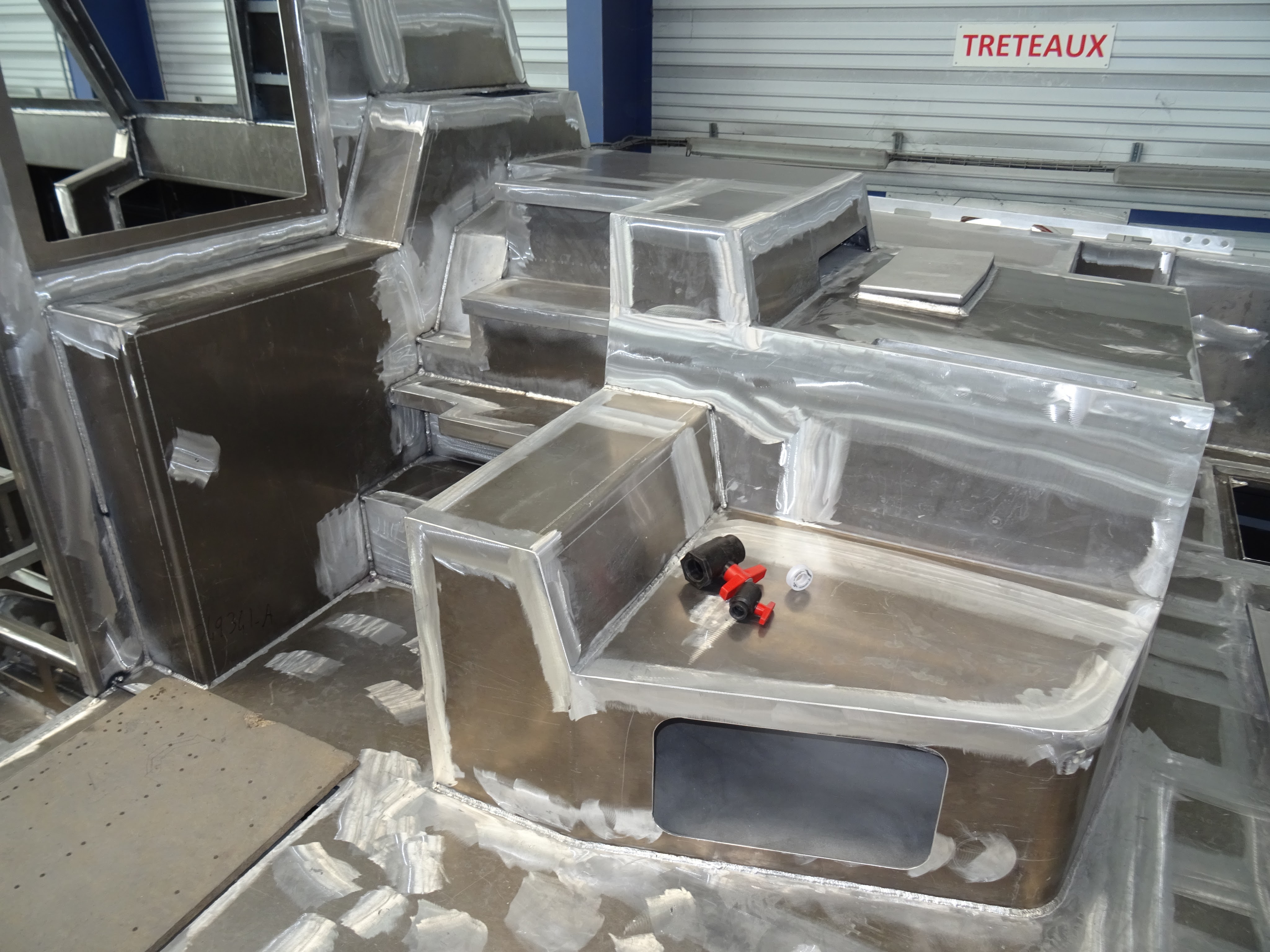
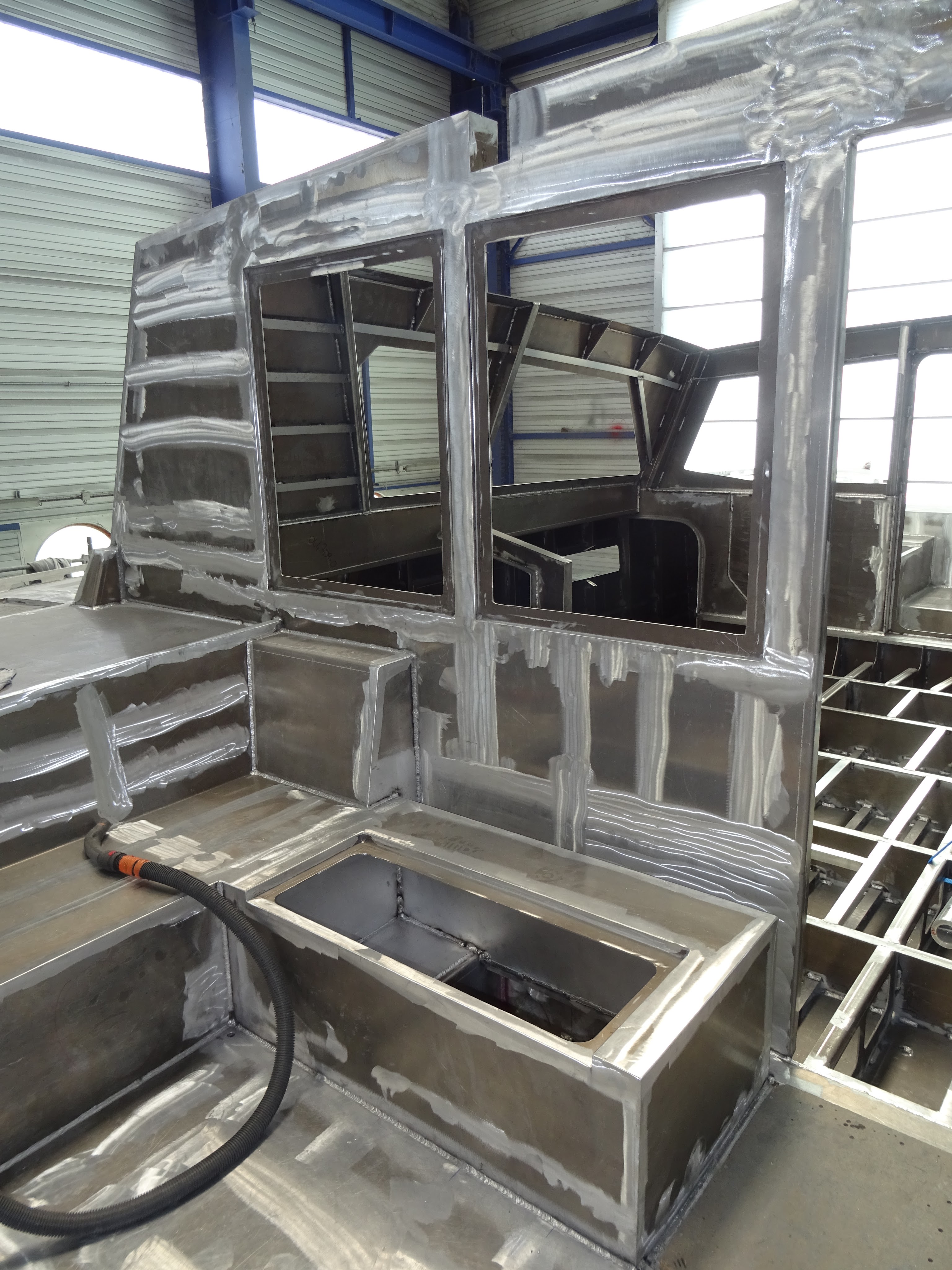
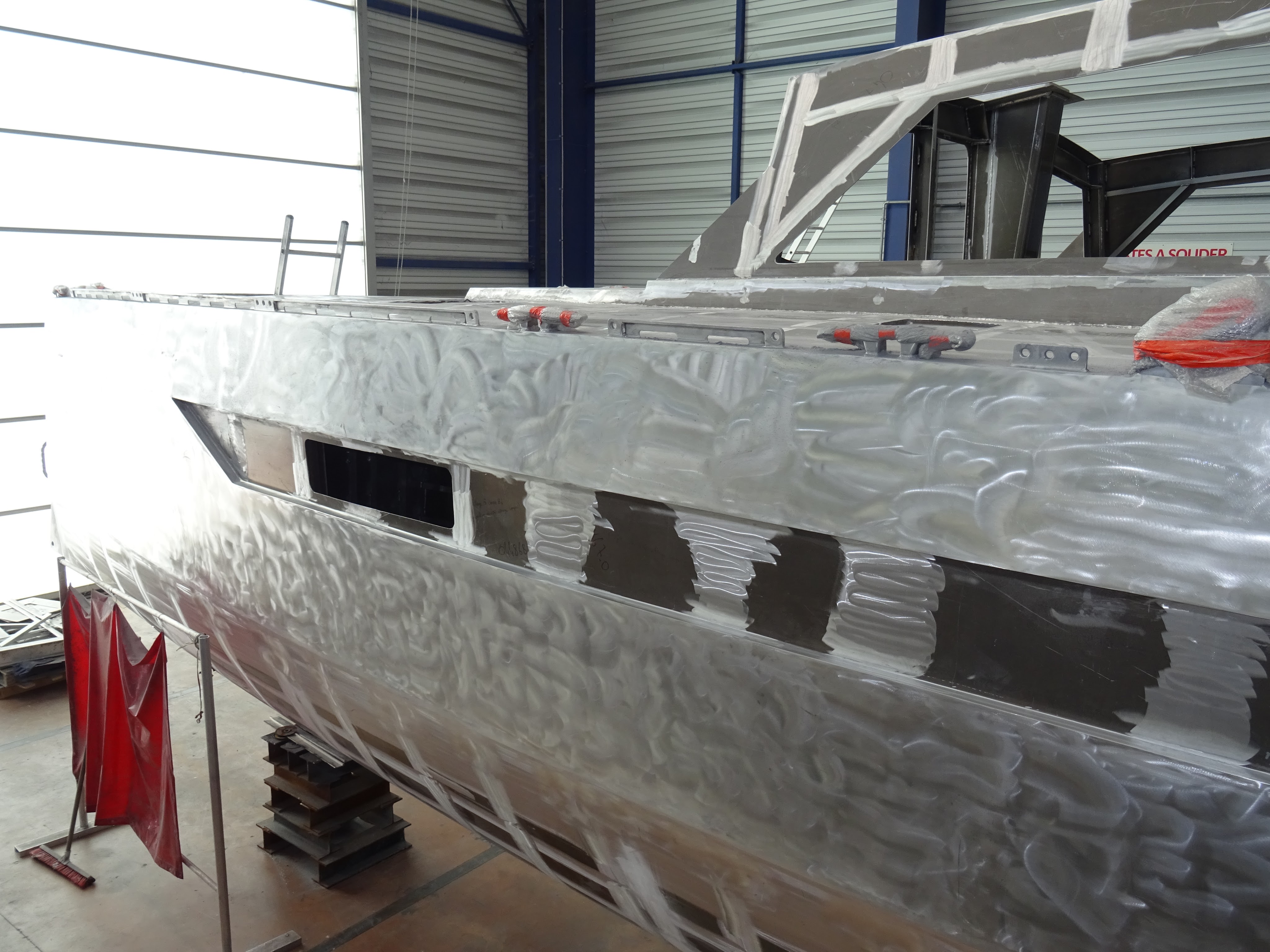
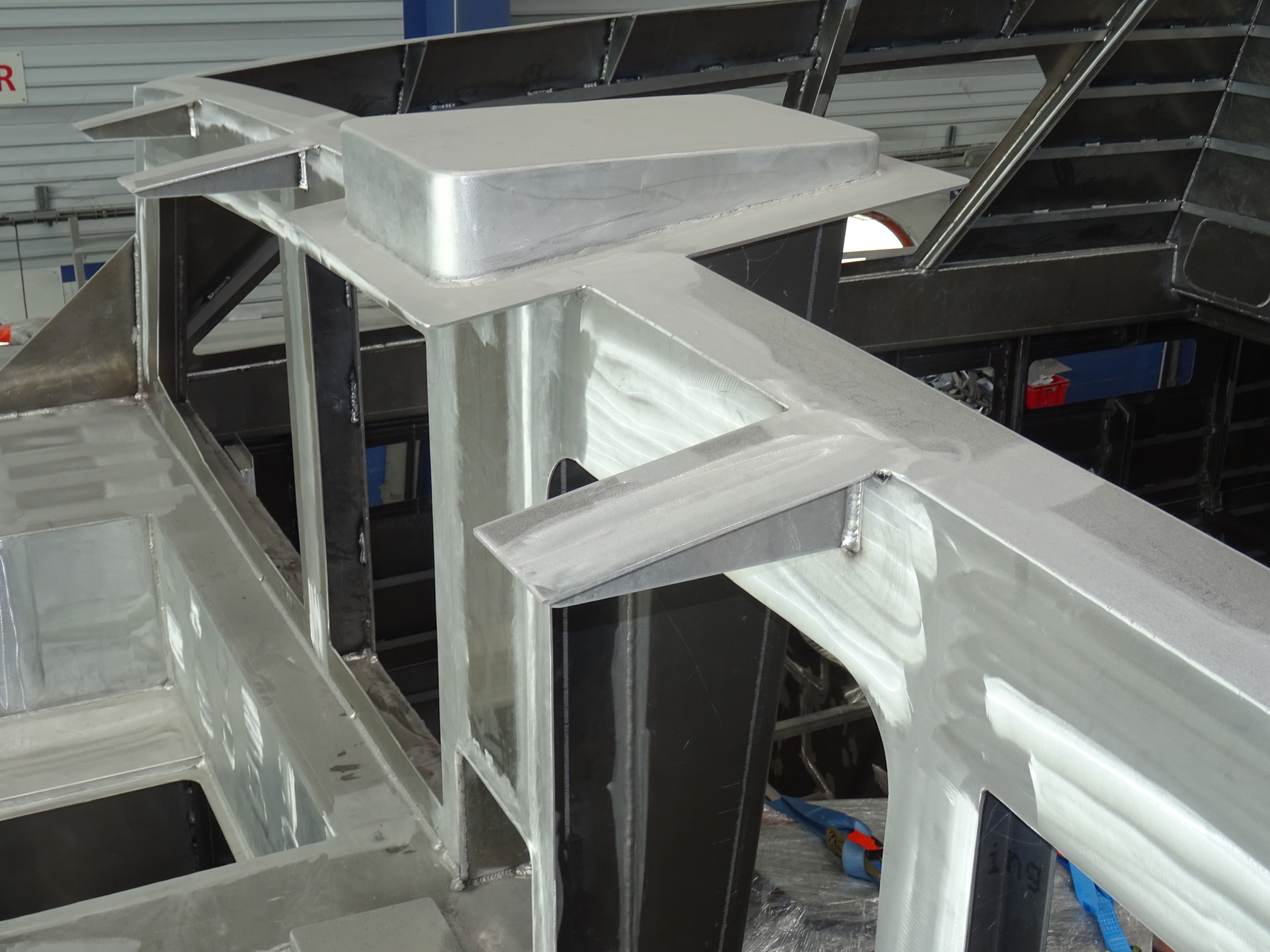
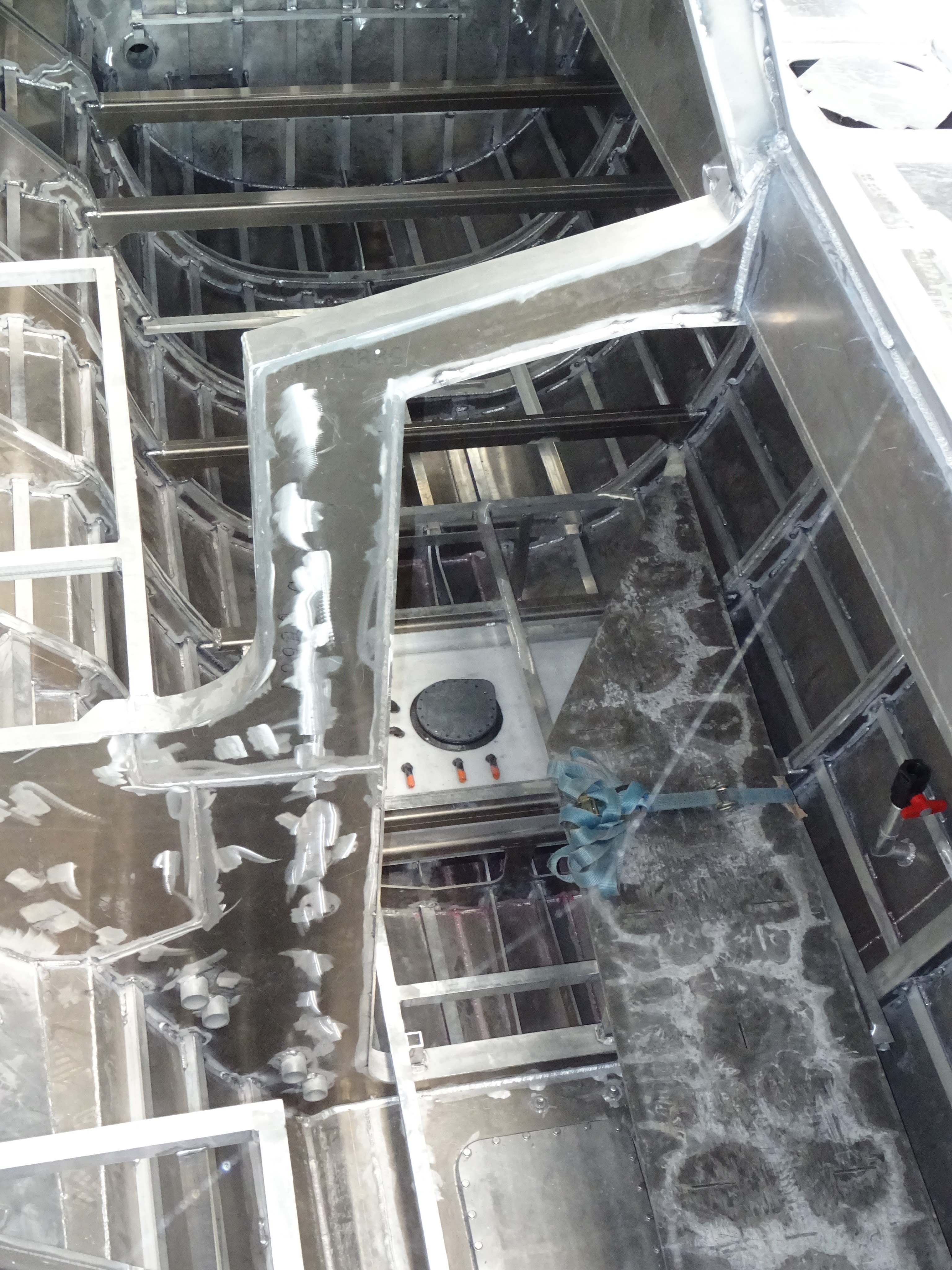
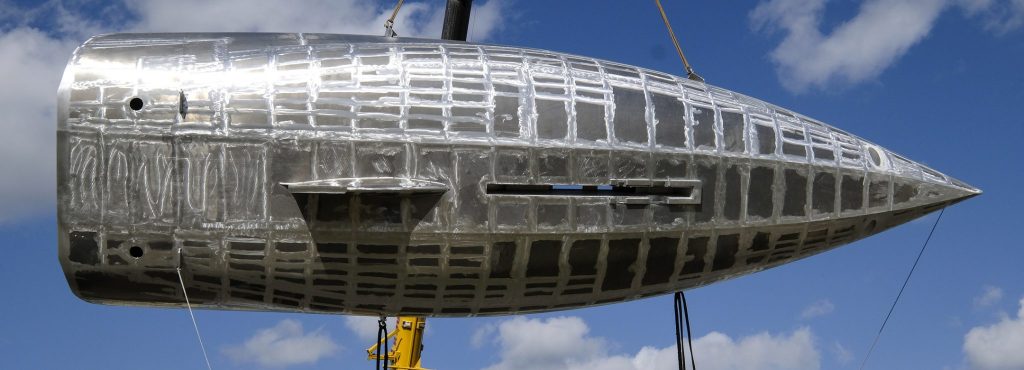
This is a photo selection of the welding phase. Some friends suggested that the looks of this boat could be qualified as “agricultural design”, but what we see there is a lot of strength and the ability to sail to places we wouldn’t have dreamed of with our previous GRP boat.
It all starts with a pile of aluminium plates, but within days the hulls are taking shape.
Then the small details start to appear. This is were one can see the five decades of aluminium boat welding experience.
On one hull we have the additional fuel tank option, and the grey water tank on the other. The bow-thruster tunnel also has been placed on the Port side hull.
And then the structure which will support the furniture and the systems, the bow compartments with the compressor supports, …
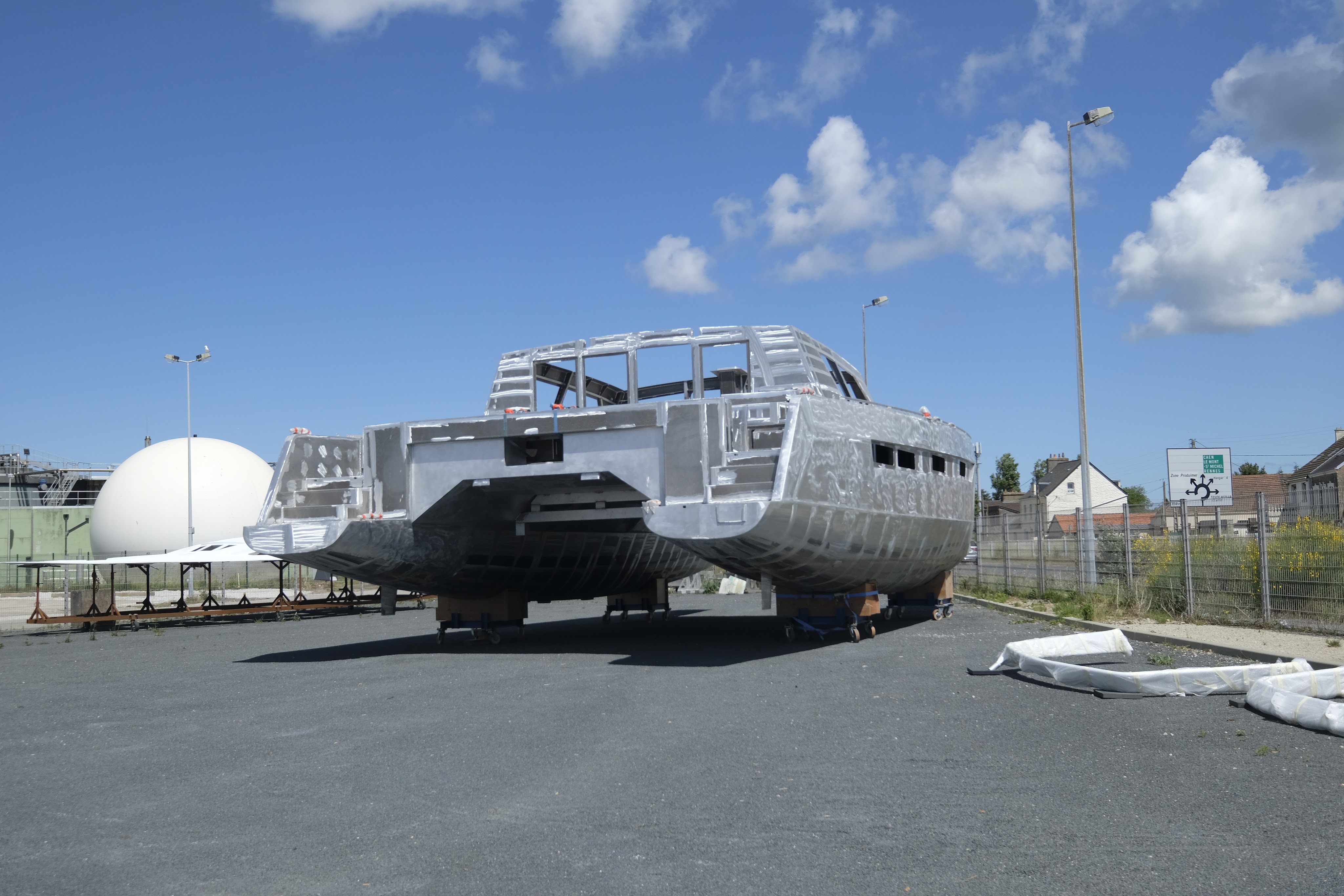
We can see how Garcia had earned over time its good reputation for hull build quality and strength. We plan on keeping the hull bare, instead of the grey and white filming which was seen on unit #1 and #2.
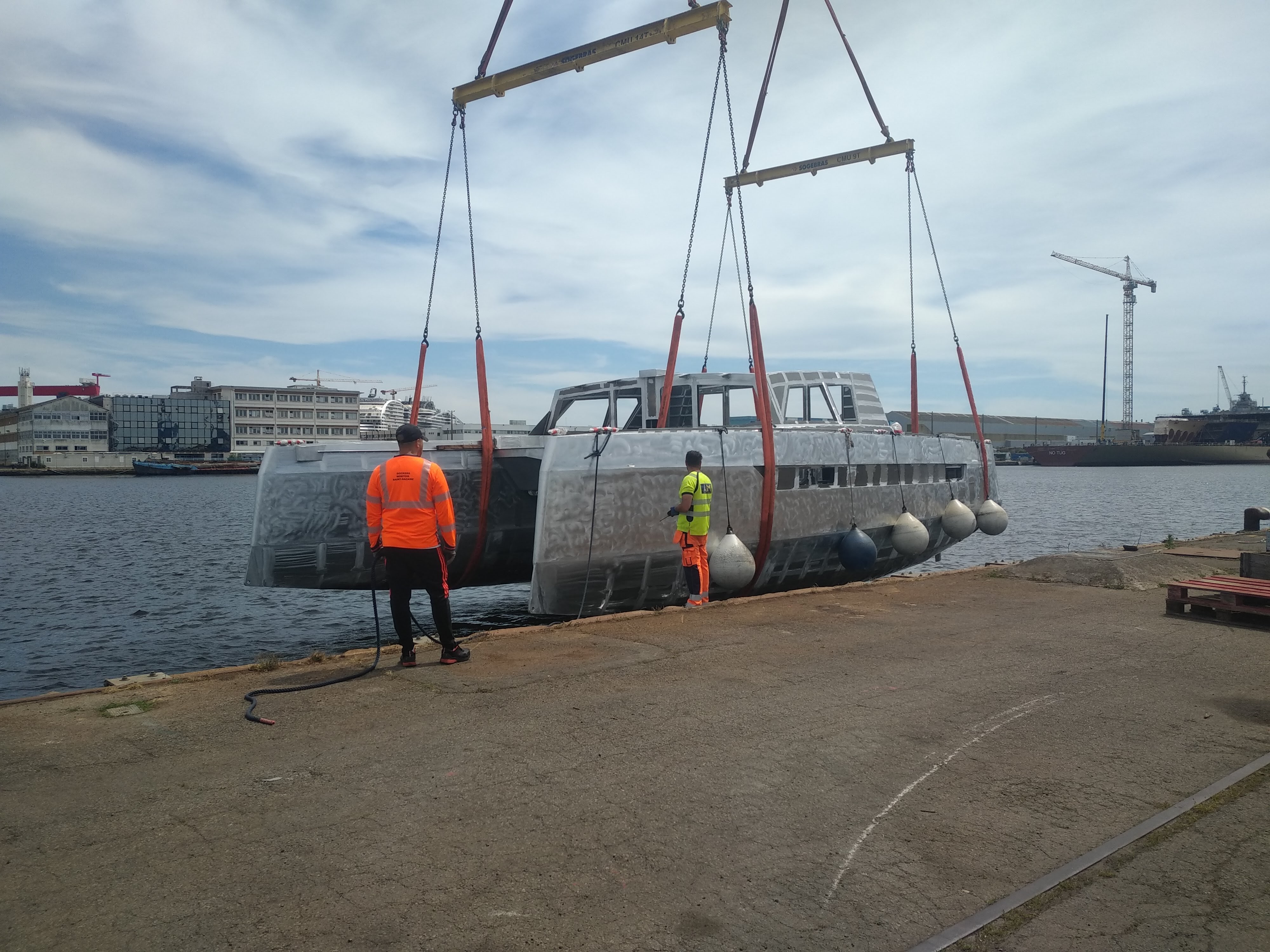
A temporary structure is welded underneath for the future road transportation to Cherbourg.
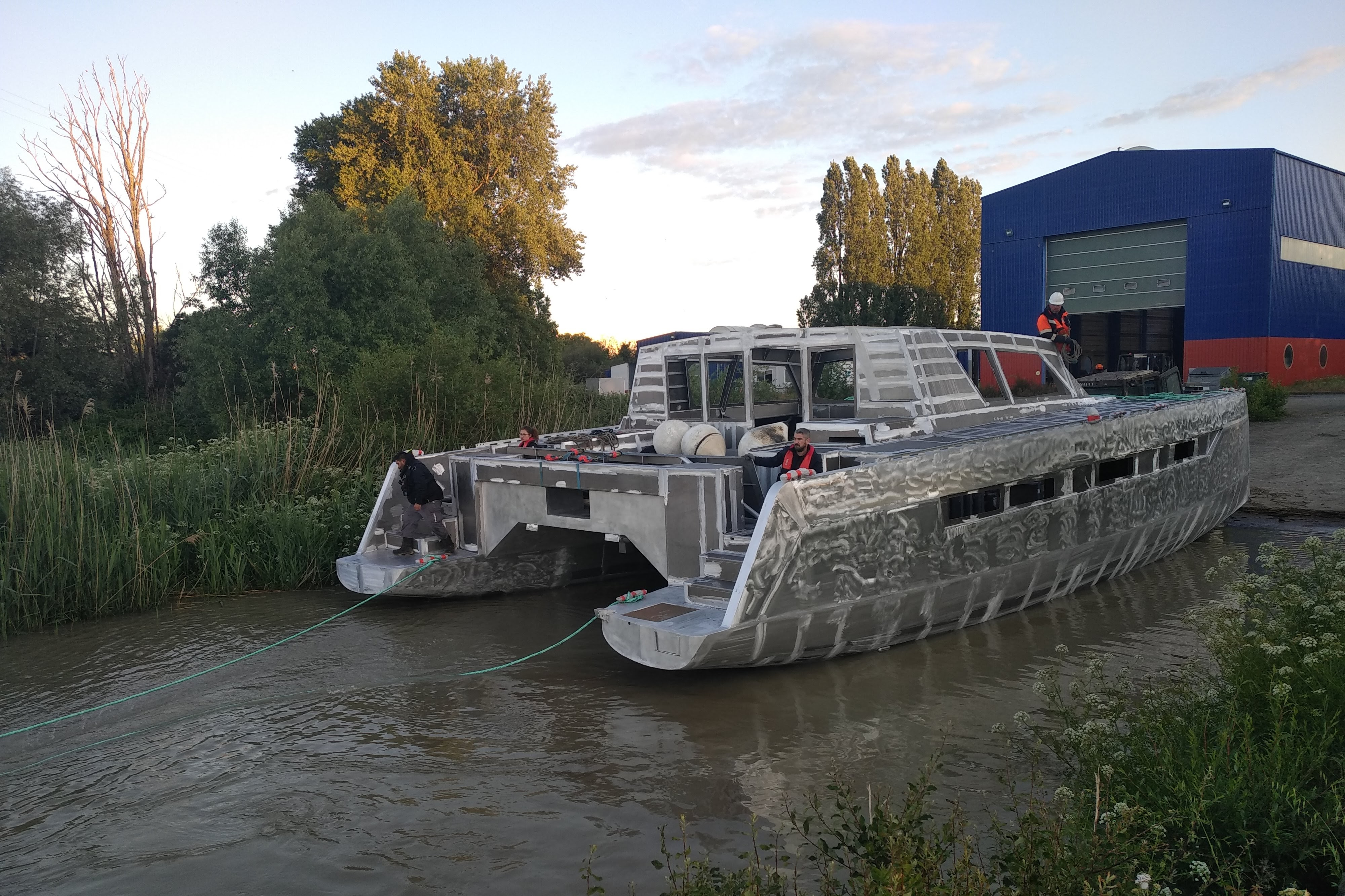
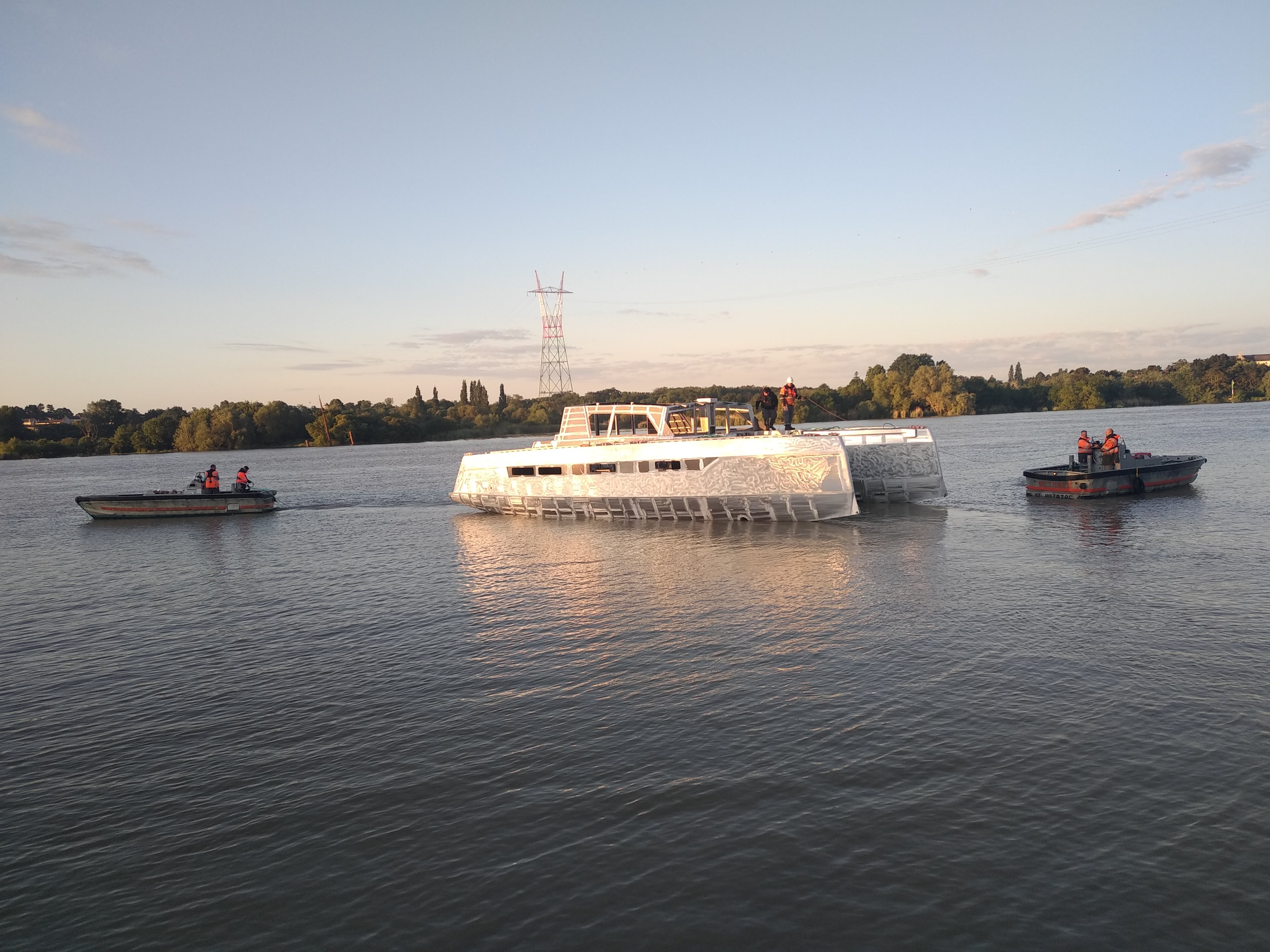
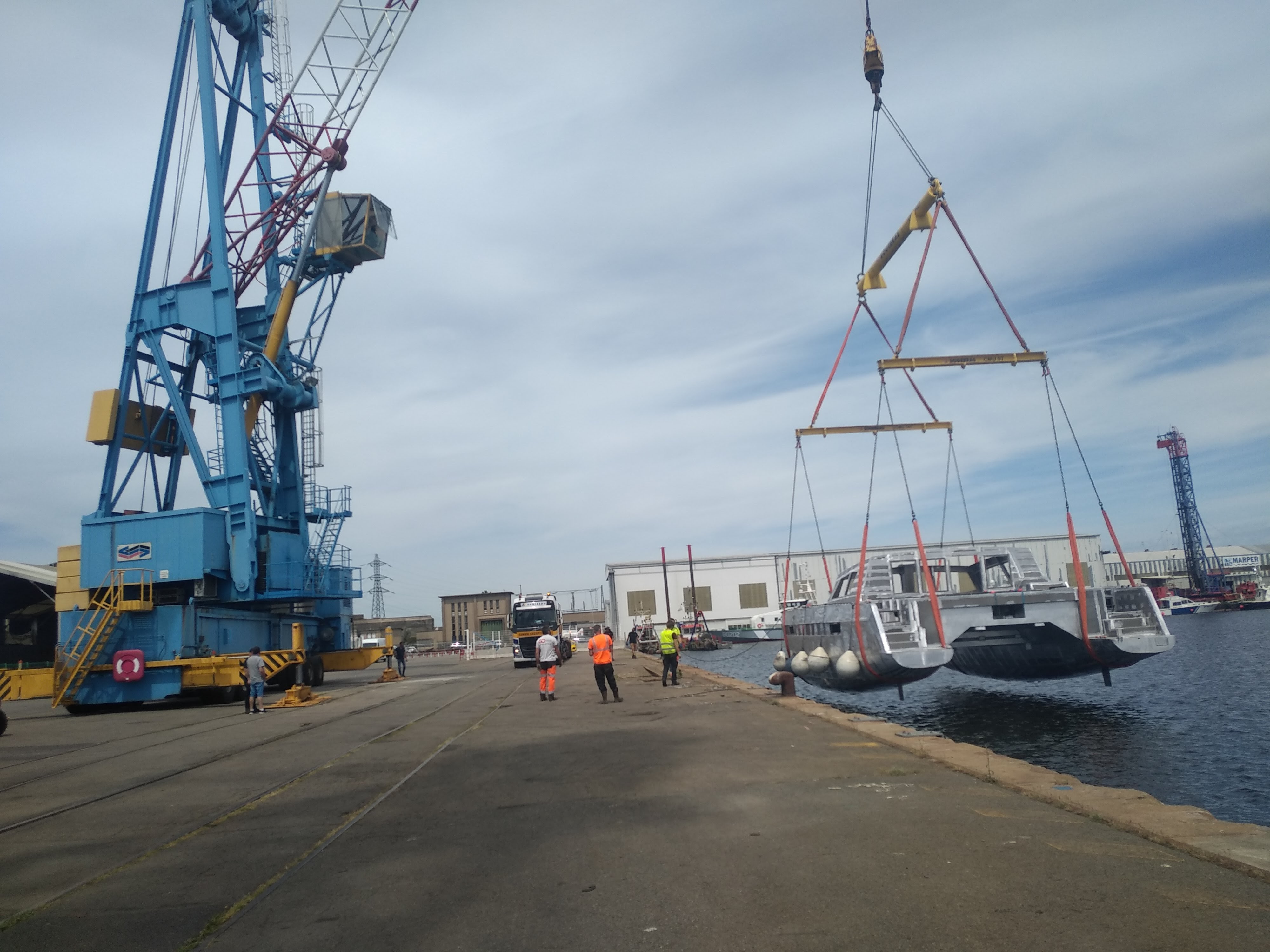
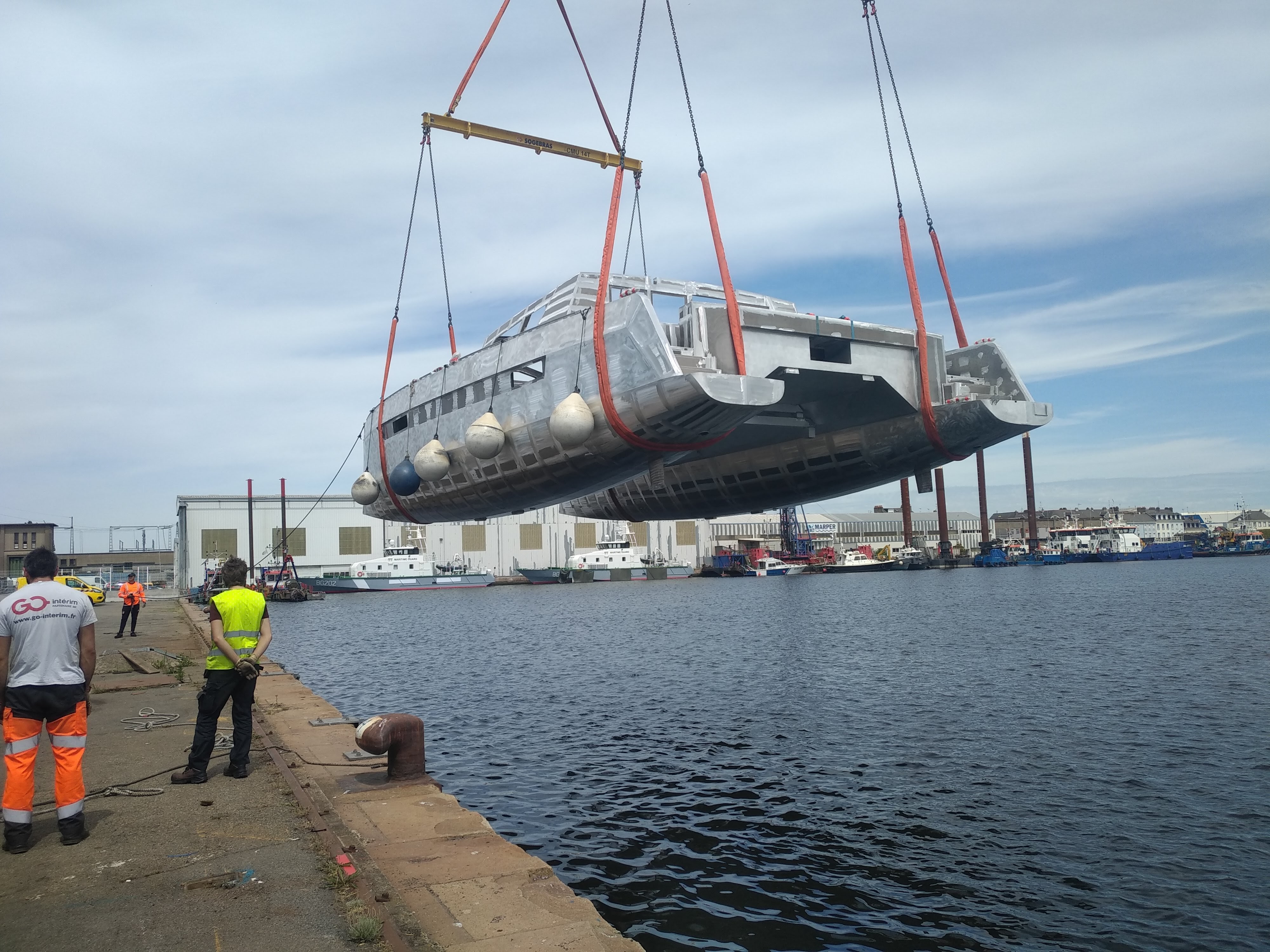
And …. Splash time!
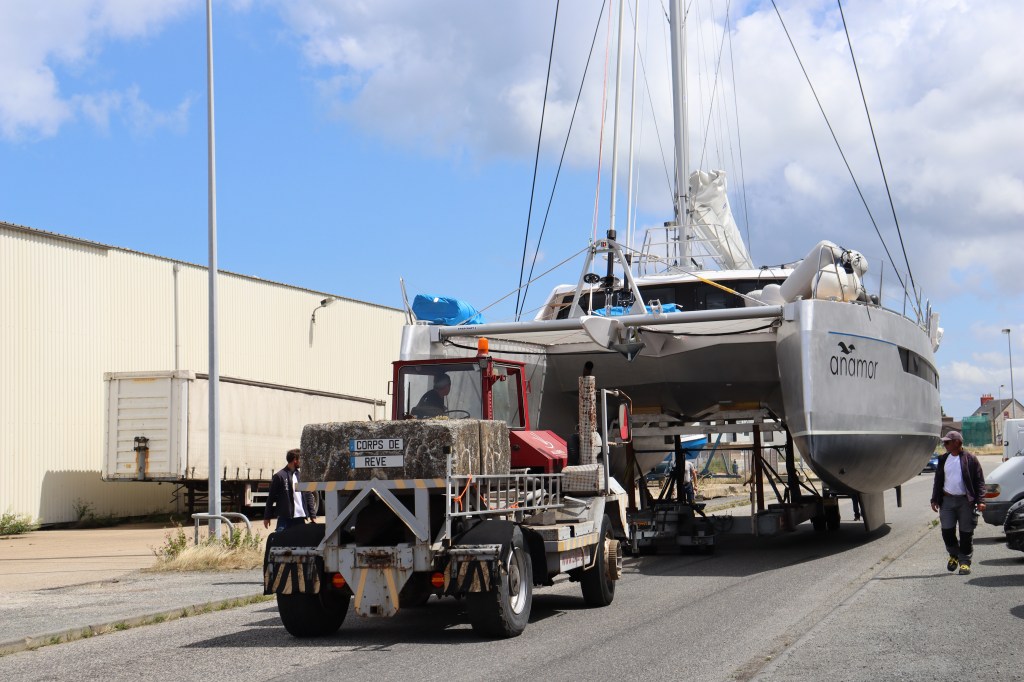
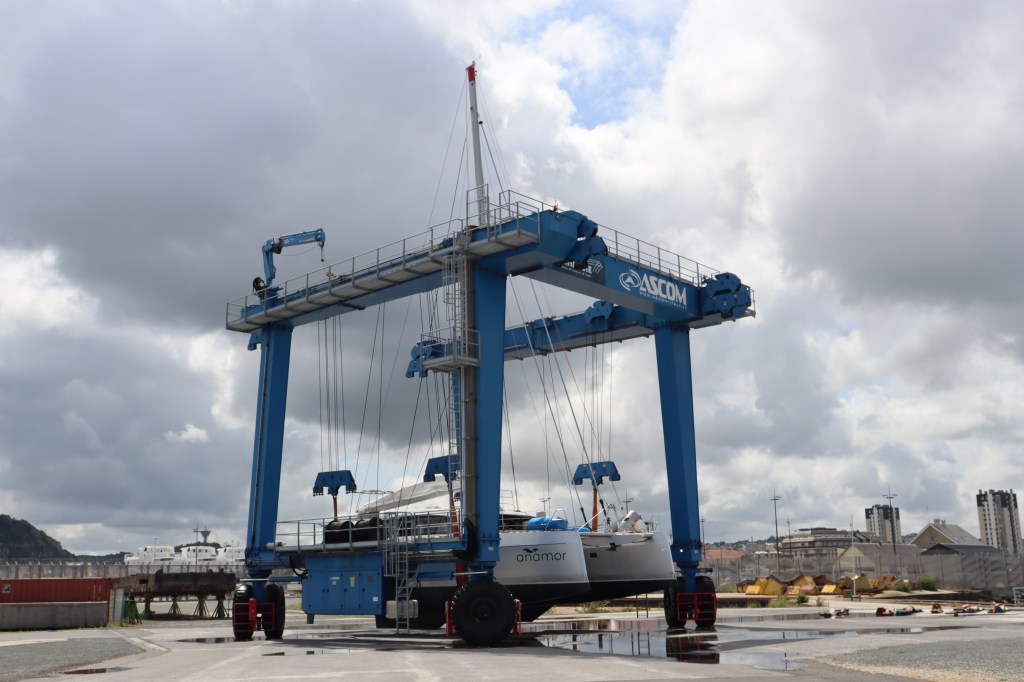
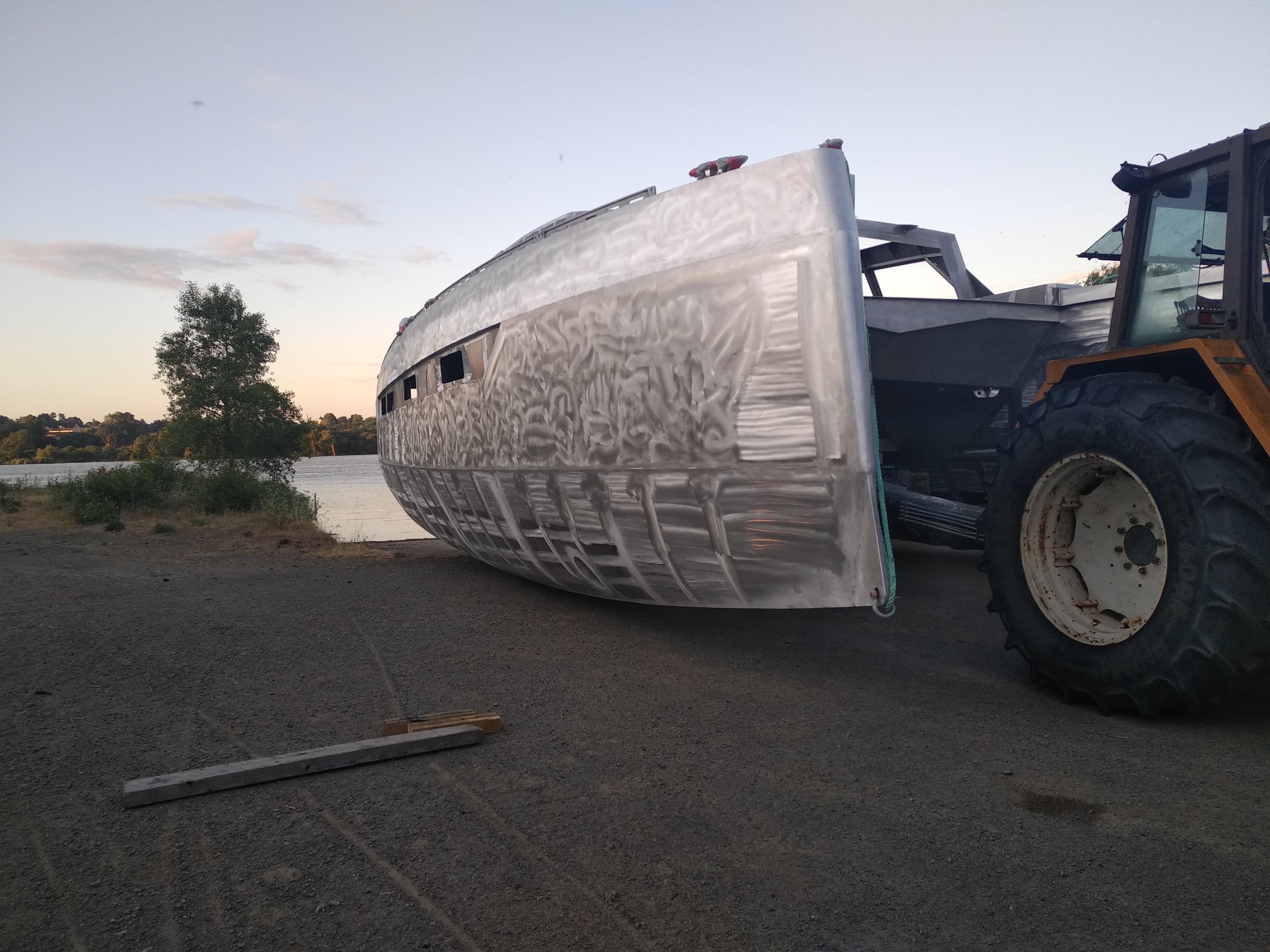
But not for long. She is howled-out for her road trip to Cherbourg, where the furniture and systems installation will take place.
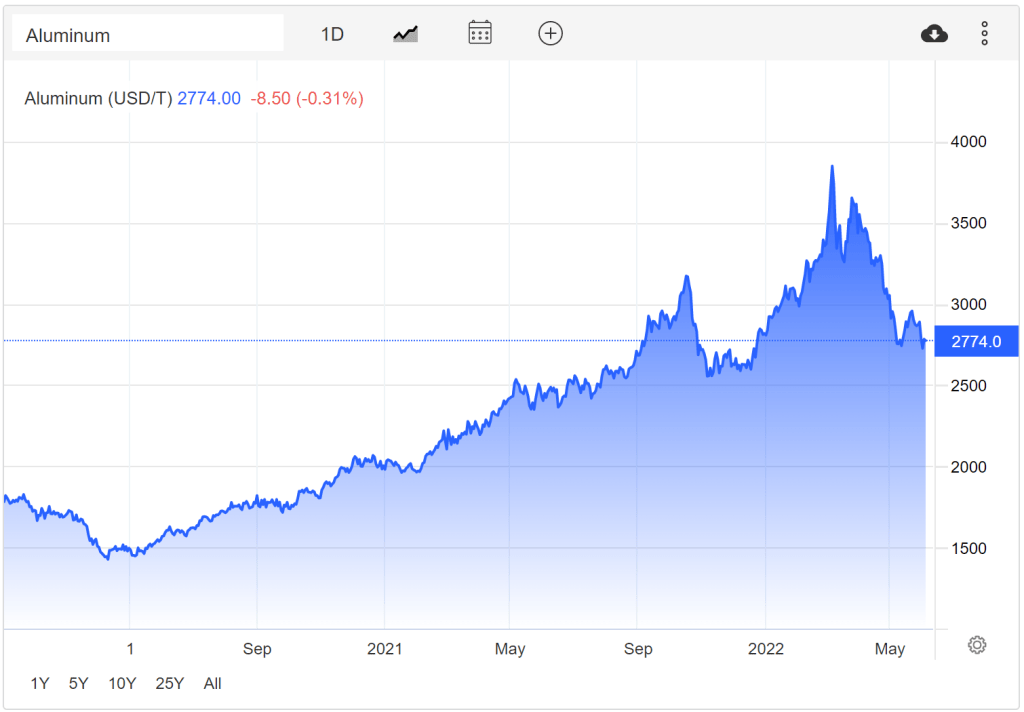
Seing this big chunk of Aluminum making its way to Cherbourg, let’s meditate a minute on the $/t price evolution of the material since we placed this order.
While we’d agreed that boat life has to be more frugal than our on-shore ones, we’re not on a radical journey in this direction, as the passive igloo project was. We plan on continuing computer-based work, using the same main appliances we’d use at home and to some extent we expect to keep globally our standard of comfort – shorter showers maybe, but showers nonetheless. However, high latitude impacts the output one can usually expects from energy-production systems, for instance solar panel output, or dominant high pressure weather systems meaning no wind for a wind turbine.
Setting this perspective, the electric part of a long range liveaboard boat becomes central, as it implies the interconection of various voltages, both input and output (DC and AC), not to speak of the various production systems which work together to match our planned consumption. Some parts of the system are safety-related (covering the windlass use while at anchor, or the electronics while under sail for instance), some comfort-related (having a movie night just like at home). Electric cooking will fall in-between, only conceivable with the huge progress solar or LiFePO4 technologies have made over the last decade.
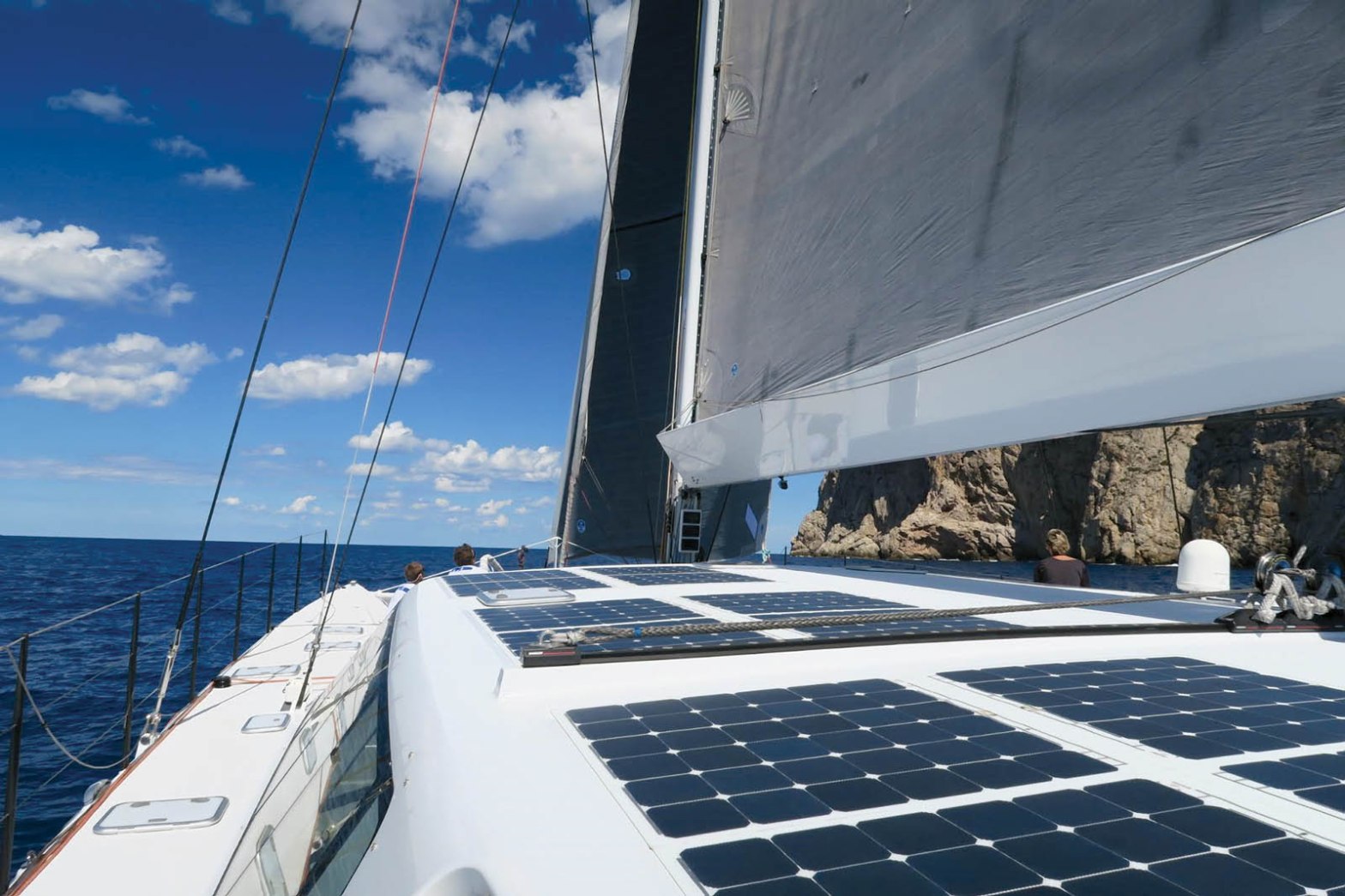
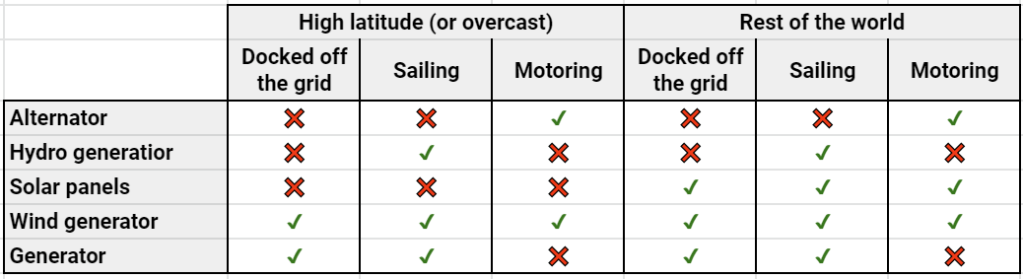
The goal of the energy production systems installed on board is to cover the large array of situations a long range boat will encounter. While solar panels are now the way to go in most places, their output in high latitude will be too low to cover the boat’s needs. And along with the redundancy principle, at any given time, we want two relevant energy production systems available.
Use case to consider while building our energy production systems
Solar panel vs. high latitude
Background info
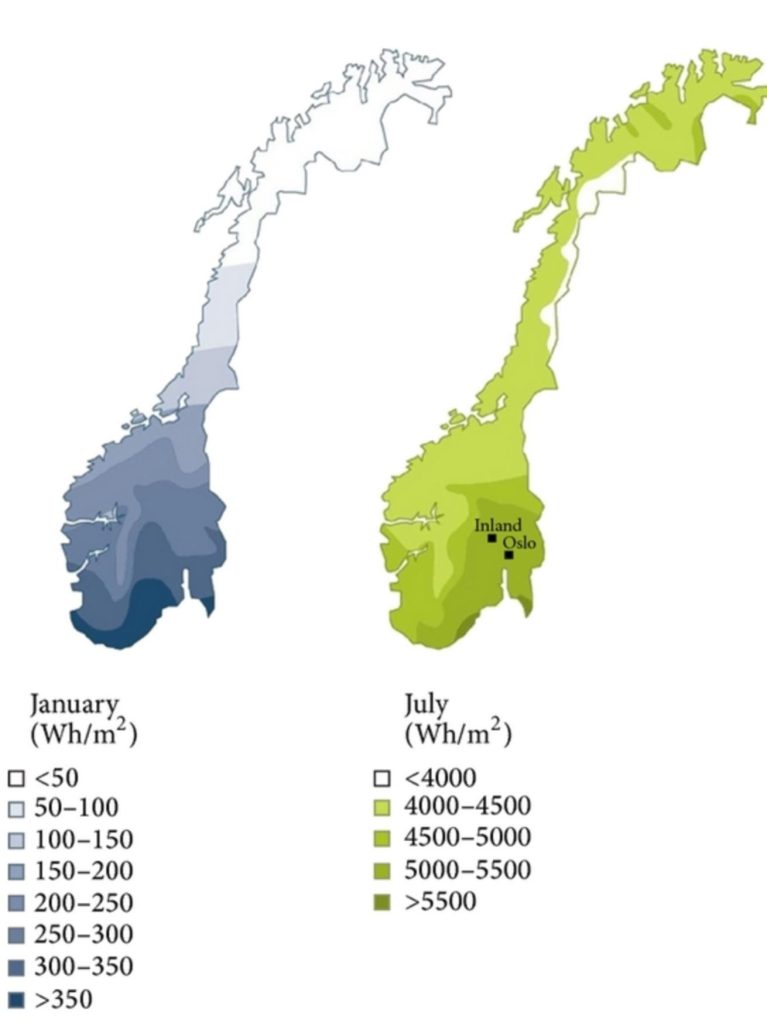
Solar panel production (W/m2/d) depends on latitude and climatology. The further out of the equator, the larger difference in average monthly insolation.
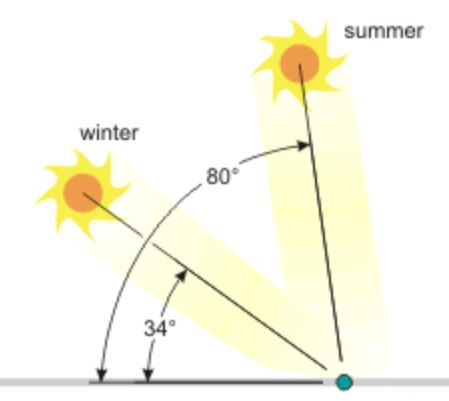
As an example, we can see here how Norway gets 10x more W/m2 in July, compared with January. Nominal solar output (Wh) will be reduced depending on the solar angle (A), and the loss (L) can be calculated with the formula:
L = cos(radians(A))
actual Wh = Wh x L
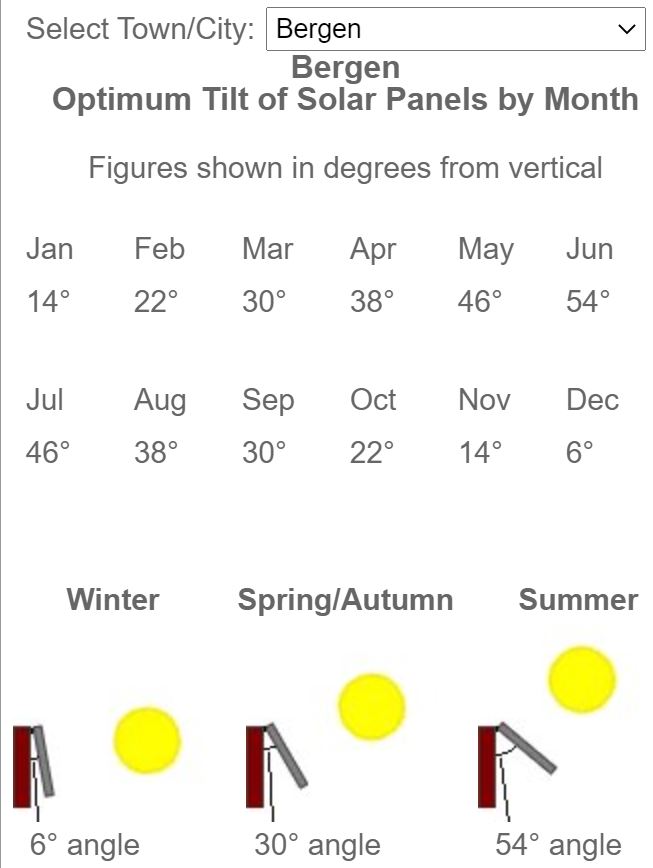
For instance, if the sun angle is 30° out of the perpendicular (Bergen in March), the output will be 1-87% = 13% of maximum.
There are many solar angle calculators online, which will indicate why solar need to be oversized, but can’t be the only option for high latitude sailing.
The panel should always face toward the equator, and tilt from horizontal at an angle approximately equal to the site’s latitude (NREL 2005). These recommendations represent an average, based on the angle of the sun over the year.
Since we can’t set the orientation of the boat, or built tilted-panels system, we just as well lay them flat on the roof, and over the davits.
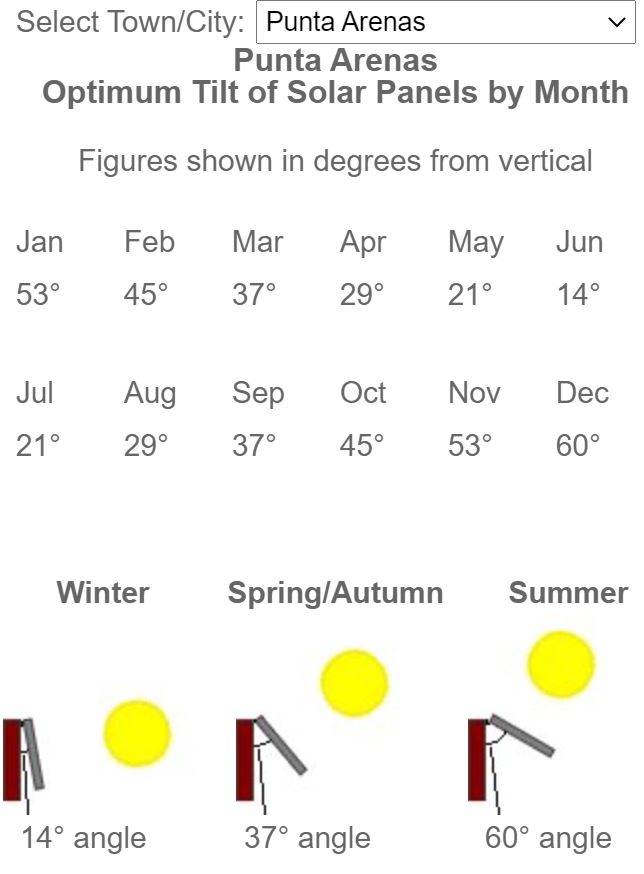
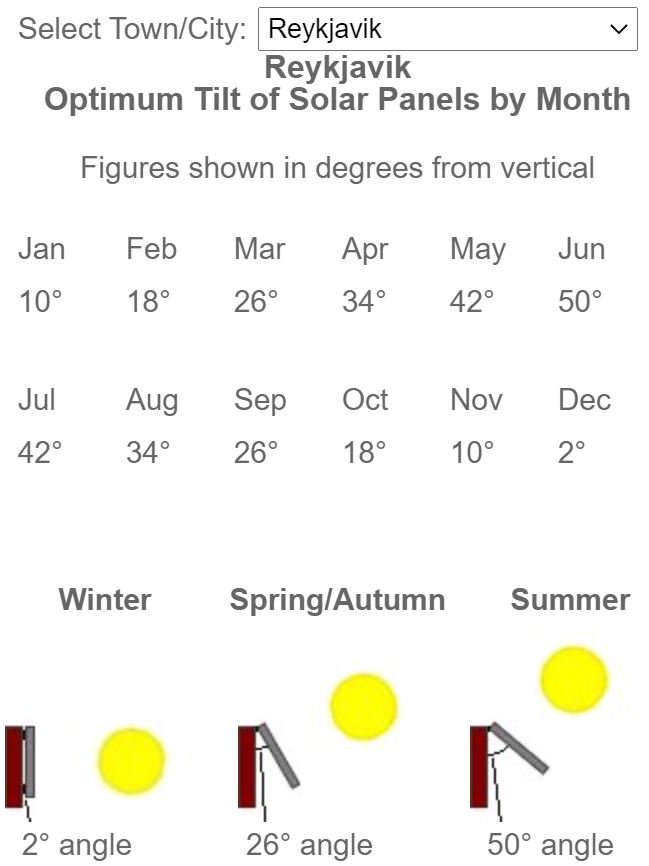
The Sun Calc web site gives a visual understanding of how the sun moves, depending on location and seasons. Bellow we have the data for Bergen (Norway), Punta Arena (Chile) and Reykjavik (Iceland):
On top of sun angle, being the key efficiency factor while sailing in high latitudes, solar output will be impacted by temperature and overcast. Regarding temperature, the rated formula for Sunbeam systems, is to reduce output by 0.29% for any °C above 20°.
Some use case limitation
Use case
Limitation
High latitude sailing area
Solar angle will go from 50° to 30° from nominal, and output will drop to 30% to 50%, not computing weather overcast
Light overcast
Panel output goes down to 60-80%
Heavy overcast
Panel output goes down to 20-30%
Selected panel information
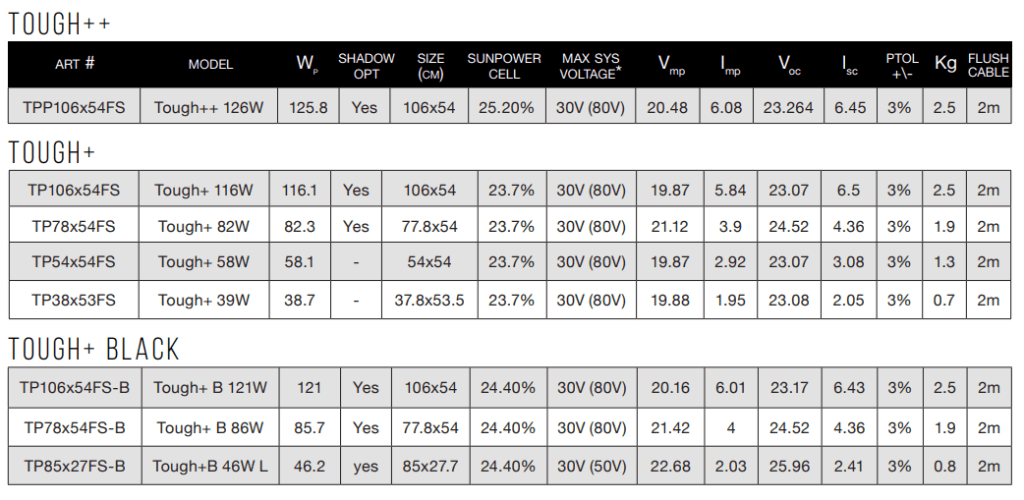
Sunbeam systems (Sweden) for the roof panels, we’re planning for 1750 W there.
Wind generation
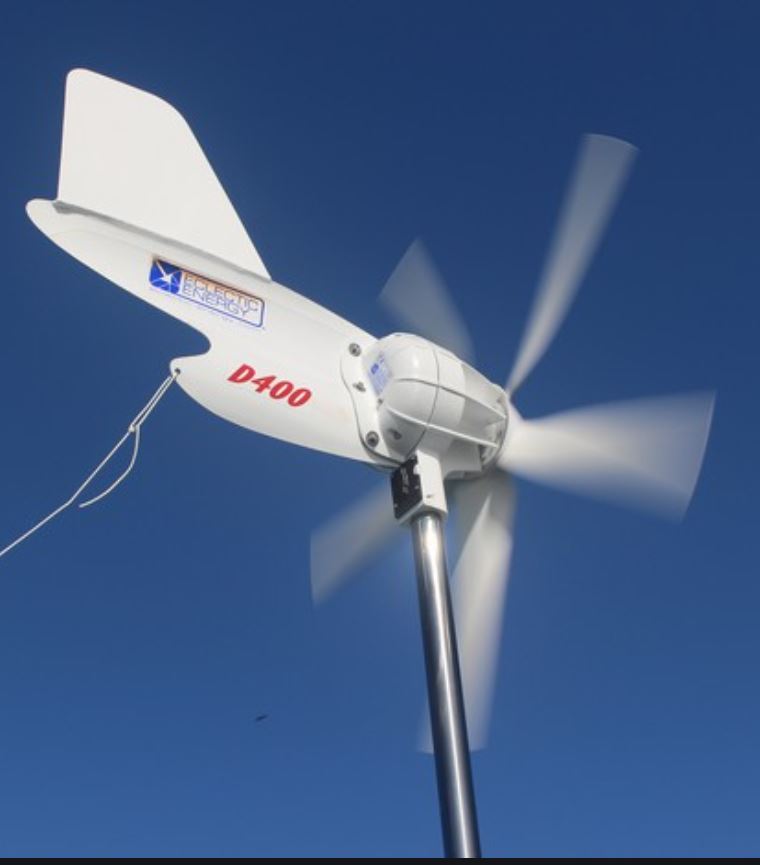
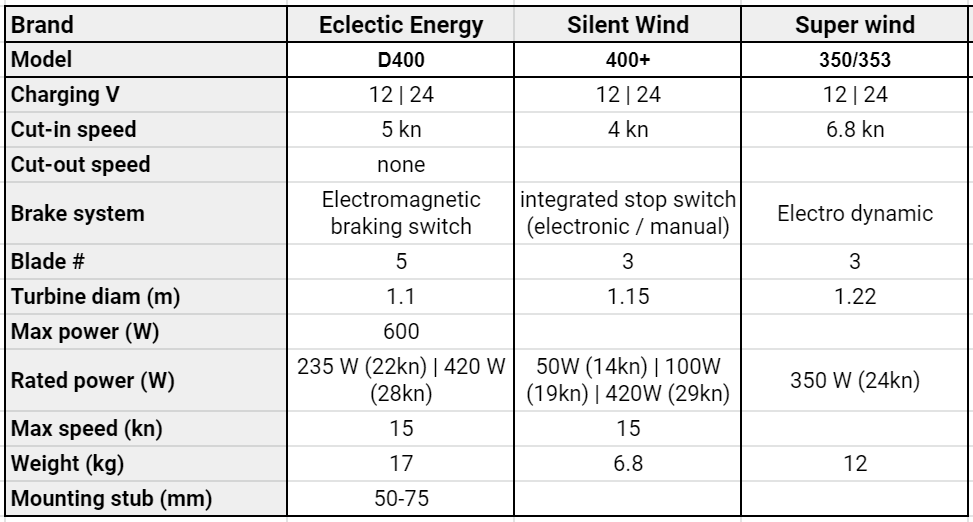
Wind generators were a must-have a decade ago for long range boats, especially the ones sailing in high latitude areas. Many would complain of the noise or vibrations, but most would agree that night and day production made it a useful complement to solar and hydro generation. We’ve had a d400 for over 10 years, and it did induce some significant nuisance after it was damaged by a hasty reefing. Since its replacement, we can’t complain about any noise or vibration. The use case for a wind turbine would be “extended off-the-grid mooring (or anchorage of course) in windy and mainly overcast location”, and we’ll run it in our energy model.
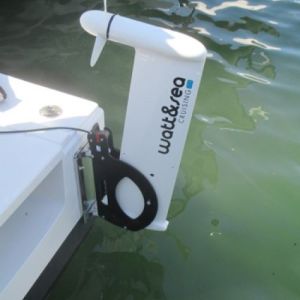
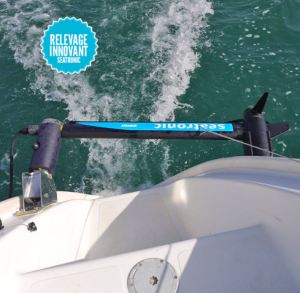
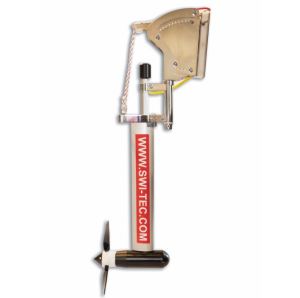
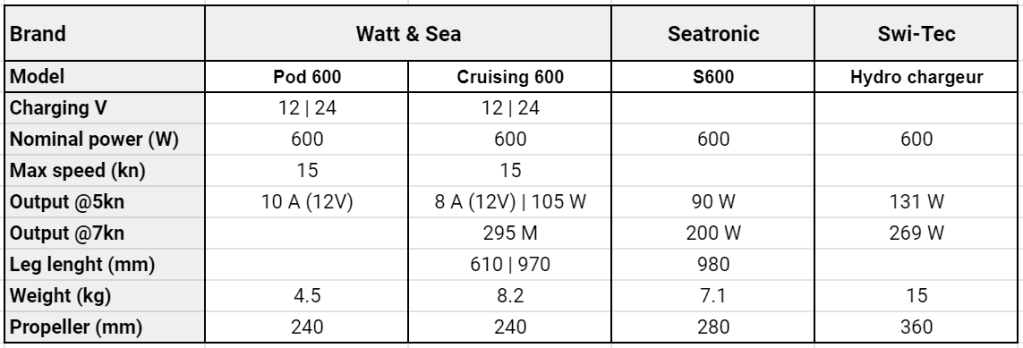
We definitely plan a hydrogenator for long range sailing journeys. We plan on Watt and sea, but not the pod600 system, despite its seducing form factor. What happens when anything gets stuck in the propeller under the hull?
The use case we’ll run into the model will be “long range sailing when solar is mainly covered, or in overcast weather areas”.
French magazine “Voiles & Voiliers” published an hydro generator benchmark in its may’21 edition
Generator
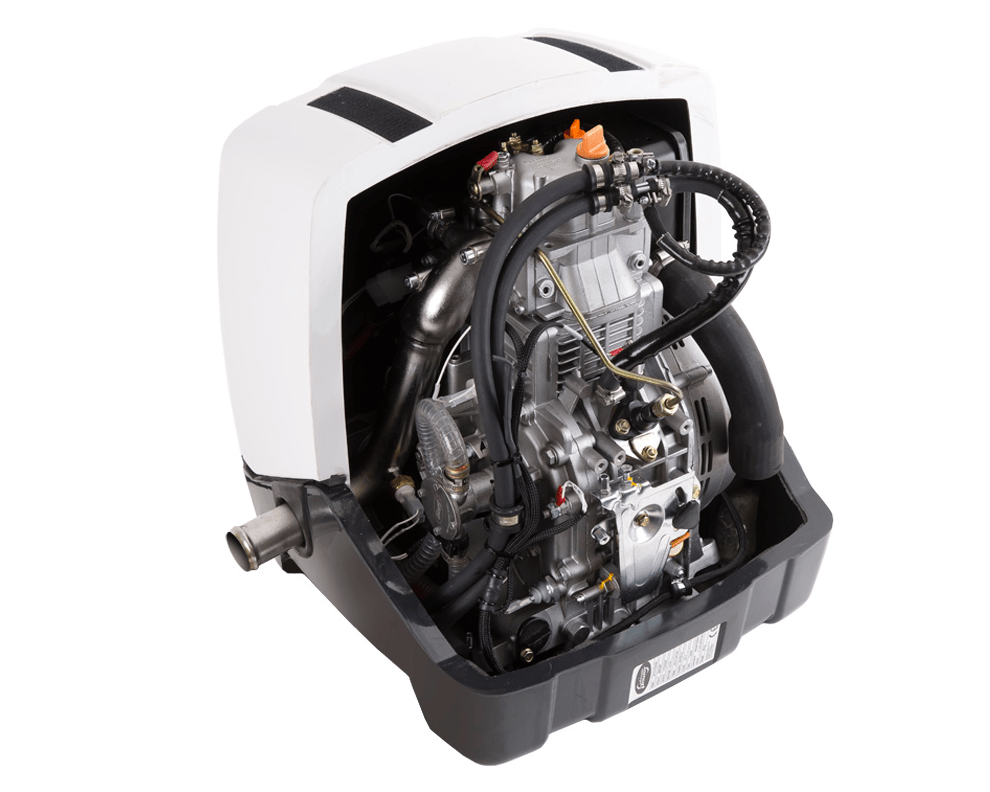
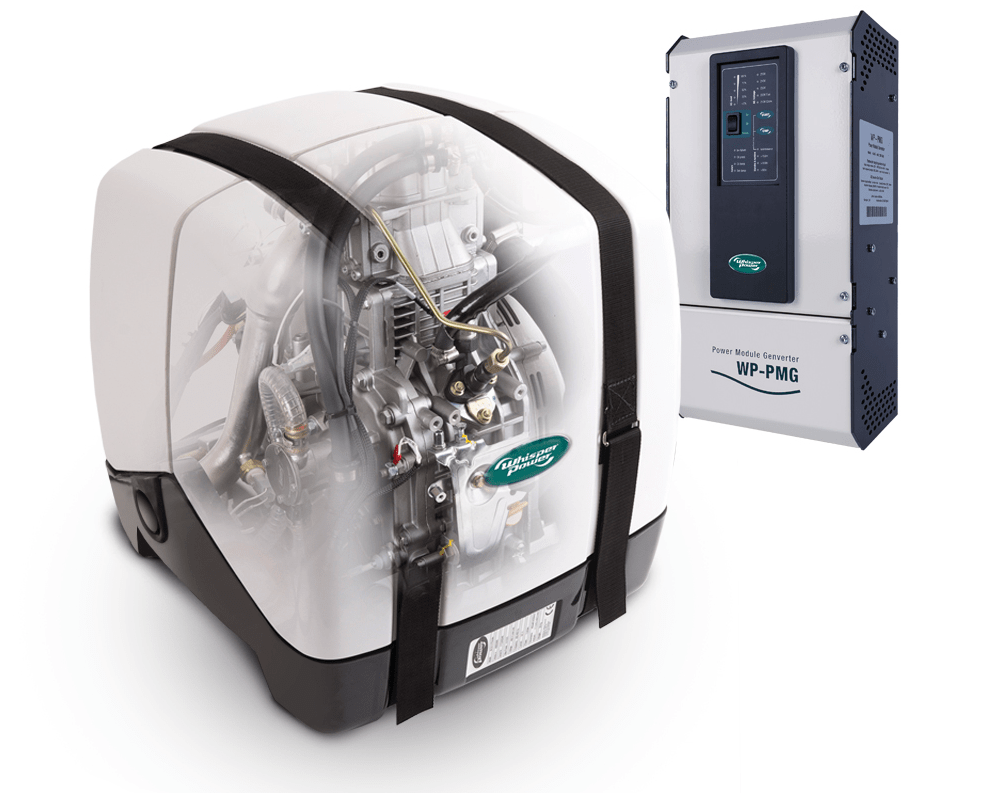
We have two main expectations regarding the genset: noise on one hand, and fuel consumption on the other, beyond the obvious MTBF. Both factors push us toward variable speed technology.
Fischer Panda 8000i and Whisper Power Piccolo 8 share the same Kubota Z482 engine
Variable speed genset benchmark
Engines alternators
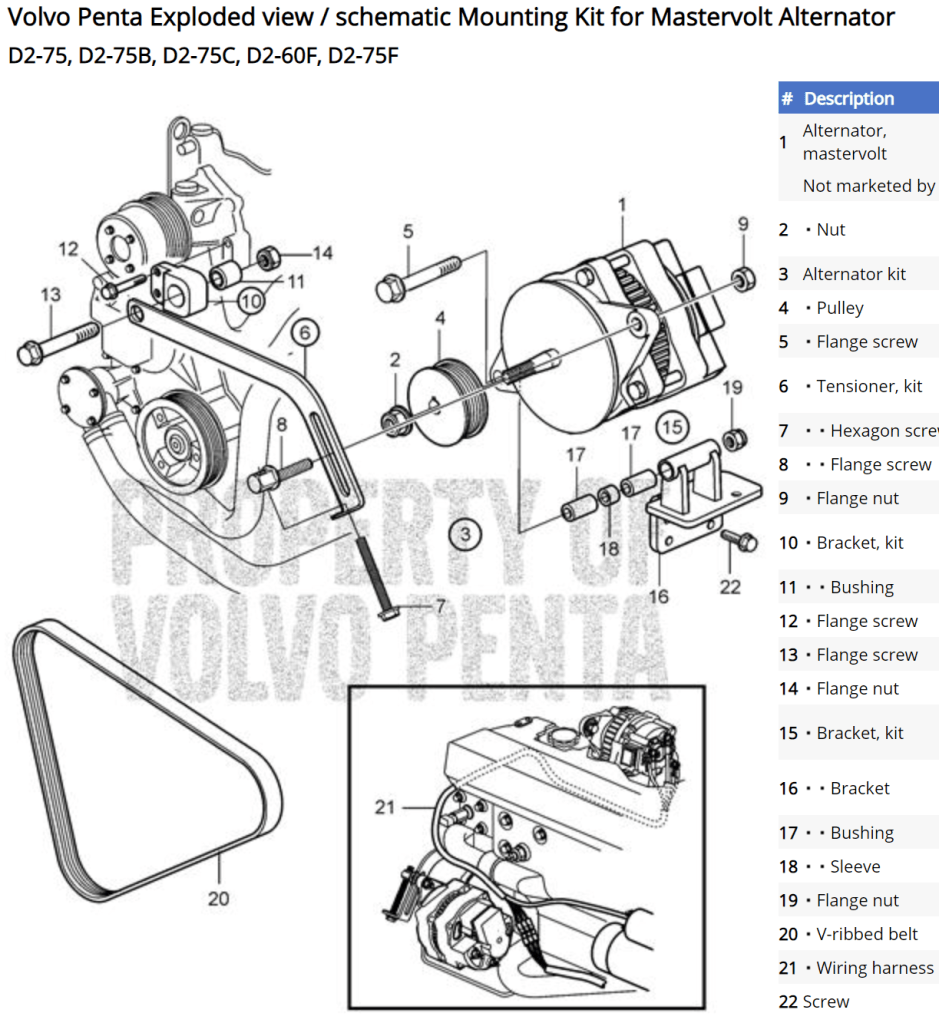
The engines installed on the boats are 2 Volvo d2-75. They come with standard 115A, internally regulated, alternators, and they’re likely to overheat while charging our LiFePo4 bank. So we’d like either to change the standard one, or keep it for the starter battery, and set a second alternator, externally regulated for the bank.
Now this is something we’ll have to discuss with the yard technicians, as increasing side load on the main bearings, such as bolting on a second alternator, may create problems, for instance wearing the water pump (same way excess belt tension impacts externally belted water pump seals and bearings).
It might end up in a warranty-debate with the engine vendor (Volvo Penta).
Mastervolt Alpha Compact 28/110 VP
But we did find a kit allowing for the installation of a Mastervolt alternator in Volvo’s part store, as shown here: optimized to deliver continuous high power output in storage applications, suitable for all battery types, including Lithium Ion, high charge current at idle RPM.
For those unfamiliar with The Matrix movie, “The One” is a systemic feature of the Matrix, in which a special code is carried by a randomly selected human being. As such, he possesses vast superhuman abilities as an avatar within the Matrix, in addition to some extraordinary powers in the real world.
Basically, this is what we’ve been looking for in a future boat, with its abilities to satisfy many different projected sailing dreams, but also with extraordinary sailing abilities in thought situations, which would allow for sailing journeys into less than ordinary places.
Based on our experience of mild-climate sailing, we decided to set the bar for high latitude sailing, as this would be the most demanding context. And contrary to most opinions out there, if not to common sense, we were inclined to stay with our current catamaran design, vs. switching for a 55-60 ft monohull.
Introducing Garcia Explocat 52
Well, in all fairness, Garcia should be the one introducing the boat, and their website will provide all the essential informations. As far as we are concerned, we initially checked the key specs online (#1 it’s made of aluminium, and #2 it has two hulls), and then some additional ones which were important to us, directly with Garcia’s senior rep, over the phone and by email, thanks to the covid situation.
One of the advantage of reputation is that it saves time. Even if the company has evolved many time during its nearly 50 years history, Garcia managed to keep along the way what made the success of their first aluminium boats, designed with Philippe Harlé: a long-standing ability to cope with experienced and demanding sailors’ request
The process went very smoothly, with a lot of reactiveness and flexibility. It was soon made very clear that customization would in no way be a problem and that special requests were welcomed, on top of the long list of relevant standard and optional specification. Provided of course they would not alter the boat certification, or modify massively its structure.
We did have in mind some substantial structural change in the starboard hull, as well as other personal choices on key system layout and choice, and Garcia’s answer was: “if we specify this ahead of initiating the 9 month build process, it’ll be ok“.
We had to take into consideration the lead-time for this boat. At the time of this conversation, hull #1 wasn’t due in the water for another quarter. We were talking about hull #5, with a lead-time exceeding 30 months, and there was more than one party interested in this hull. Missing this slot would have added 9 months to the planned delivery date, so we did sigh-up for the project pretty fast, and as a matter of fact the hull #6 deal was closed by Garcia a couple of weeks after ours. As far as we know, the lead-time on this boat has now risen to three years, putting the yard in the paradoxal situation where its undeniable success seem to be its main development obstacle.
5083 H111 alloy for structure and 6060 T6 for the framings (14mm). Argon welding. The thinnest plating is 5mm, increasing gradually to the very strong 14mm hull bottom. The keel is deeper than the rudders, offering a solid base to dry-out, and there is a protection beneath the propellers
✓ Watertight compartments
Watertight front and rear bulkheads
✓ 3 cabin
On top of the comfortable main cabins, we’re trying to make the Port side peak into a versatile space, mostly workbench (with a vice and all), but on occasion a sleeping area with a small sink.
✓ 3 individual sink & head
option exists, but we decide for 2, making more space for food storage and a regular size washing machine
✓ Thick hull insulation
Standard insulation is 34mm polyethylene, we go for the optional 74mm
✓ Hull space for the redundancy of key systems
– 2 engines, obviously (2 x 75hp) – 2 independent autopilot system, on each hull (rams, pumps, calculator, GPS) – 2 genset, which can work independently or combined – 1 hydronic heating system combined with 1 Refleks fuel stove for heating redundancy – 2 watermakers for redundancy or double output in high latitude waters (output ~60% below 5°C)
✓ Protected watch position
There are 3 steering positions, not accounting for the comfortable chart-table one, perfect for cold weather watch.
✓ Protected space to get in and out of foul weather gear
In a catamaran, the back cockpit is an amazingly protected area, not only to enjoy anchorages, but as well to prepare yourself safely for foul weather.
✓ Fuel tankage above 1500 l.
Standard tankage is 2×500 l, but there is the possibility to add 2×250 l, either for fuel or for grey water. In the short term, aiming for Northern latitude where fuel autonomie is key, we would opt for additional fuel tanks, ready to reverse this in a few years.
The boat is set with a genoa, a staysail and a 107 sqm main. Starboard peak is huge. Lots of space for an additional Gennaker and a Parasailor. The boat is set with twin anchor positions, on each side of the central beam. We plan to have one main with 120m x 10mm chain, and a backup with 80m x 10mm, meaning 2 identical windlasses installed on deck. There is a locker at the foot of the mast where the backup anchor could be stored. And there is a 3rd anchor at the stern, with a dedicated locker which could also store our Fortress.
✓ Accessibility on all systems and engines
Both engine compartment are very airy. On Port side there would be an additional 5kW Fisher Panda genset, and on the other the Vebasto Hydronic system. There would be 1 watermaker in each hull, and all the water and electric systems are accessible. This is where one can see that not only Garcia has cumulated decades of experience, but they stayed up to date on systems evolutions.
✓ Storage for long range boat spare and real workshop area
A workshop is set into the Port side peak (with heating). But most tools and spare are stored either into the engine compartments, or in dedicated space into the hull. Garcia builds aluminium supports to a standard-size packaging rigid containers, so it’s easy to stack plastic boxes of different shape and purpose.
✓ Food storage for 4 to 6, for over a month
This is where we made the most drastic change. As both peak and engine rooms are so large, the hull living areas end up making the same size our current 45 feet catamaran has. So, we decided to downsize to one head and shower per hull, making space for an additional 180 l fridge/freezer capacity, and a large size washing/drying machine. Our line of thinking is that we will have a crew exceeding 4 on limited occasions.
✓ Space to spare
In a catamaran, this is one of the key benefits, but one needs to keep weight control at all times.
So basically, this boat checked every main feature we were expecting. And some more. Garcia having a custom-study department, we were able to make a list of changes we would like to make to the standard layout. Some were safety-related, and other were comfort-related. There are a few which would qualify for whims-related.
Two 5kw genset (vs. a larger one), although this is still in discussion. At least the pre-install of the second one. We’ll synthetize the electric production systems in a later note, but it qualifies for the redundancy goal while on a high latitude sailing journey, when solar won’t be delivering.
A large couch in the living area, coupled with a smaller table for 6
Change in the galley cupboard installation
Dishwasher in the galley (45cm regular one, easy to change)
All-electric installation, including cooking
Whims-related changes
Reserving two small spaces with dedicated cat access for its litter box, both inside and outside. Only boat owners with cat will understand.
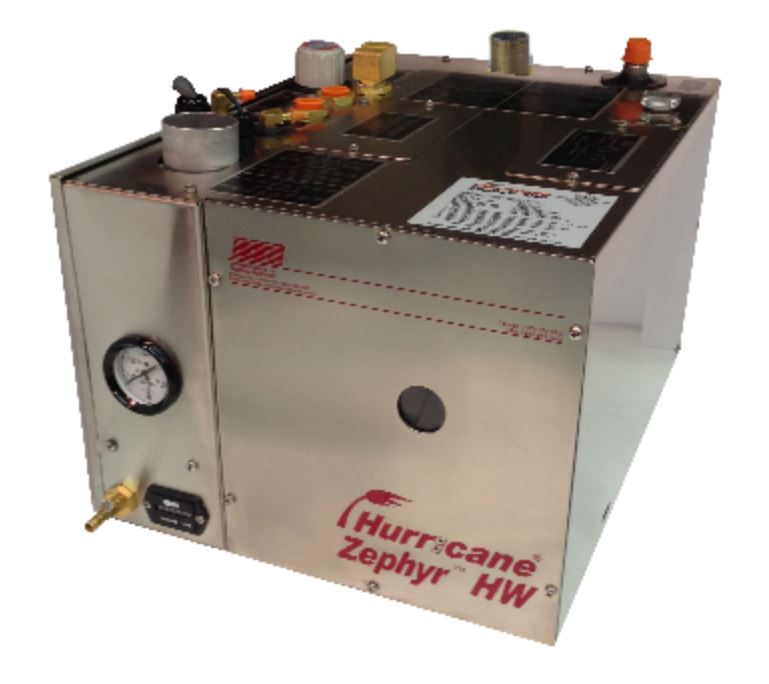
Making a hammam/shower area in the Starboard hull, circa doubling the shower space, going from two sink into this very large space to one only, and moving backward the existing deck hatch. A long shot at this stage, but we do appreciate our steam bath now and then (implies: genset + steam boiler + tight door + porthole to let the steam out).
A movie installation with a large thin screen articulated in the roof of the living area. We are movie buffs, and dropping this while on a long sailing journey is something we’re not ready for.
The list is way longer than these few examples. What’s important is to separate the important custom requirements from the nice-to-have ones. At this stage we’re still expecting for everything, and in fact Garcia’s engineering staff is working on all topics in the lists, but realistically we know we’ll have to drop some of our requests.
Sea trial
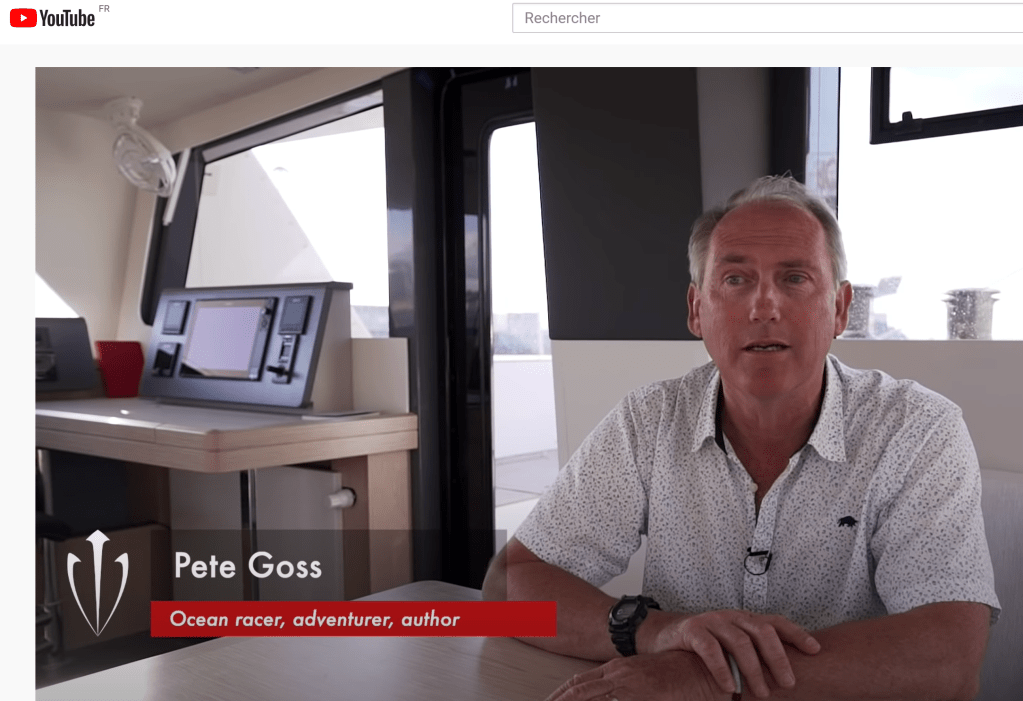
Due to the Covid situation, it’s been a challenge for Garcia to maintain the production in 2020. After some initial weeks of disorganization in early Spring, the yard demonstrated its flexibility and its staff’s commitment, and hull #1 was launched nearly as planned. Its initial sea trial took place early summer 2020. We weren’t able to attend to a significant sea-trial yet. Instead, all we can do is take famous British yachtsman Pete Goss’ words for it, as he was lucky to test hull #1 last summer.
Famous British yachtsman Pete Goss commenting his Explocat 52 sea trial
Transcript from the video, his main comments are:
Easy going
“Tacks like a dinghy”
Very stiff and well built
Same type of game-changer for catamaran, the Exploration range has been for monohull
Stretches’ up and down the traditional sailing zone of a catamaran
Rigid structure, in 20-22kn of wind, the shrouds weren’t moving at all (carbon mast on #1)
“Our test took place from Cherbourg on a gloriously sunny late November day, with a gusty and shifty southerly breeze varying from 7-19 knots. It’s immediately clear the Explocat 52 picks up and sails at speeds that belie its displacement, putting it in a different league to other expedition yachts of similar length, especially when reaching. Broad reaching at 120° TWA with full main and Code 0 in 16 knots of true wind we cruised comfortably at 10 knots, reaching an unfussed maximum of 11.8 knots, with the boat still feeling rock steady. When the breeze picked up to 19 knots, at the design limit for the Code 0, we furled it and continued with the Solent jib instead, losing only a couple of knots of boat speed. By the time we turned upwind the wind had eased significantly, which gave a good test in conditions that can challenge cruising yachts. In just 7 knots of true wind we made 5.3 close-hauled, rising to 6.2 in 9 knots of breeze. Maximum upwind speed was 9 knots in 15 knots of true wind. However, these numbers can’t be achieved if pinching – the boat likes to be sailed fast and free, with tacking angles of at least 105°. This is hardly a surprise for a boat of this style that’s sufficiently fast to have a big impact on apparent wind angles.“
This is where we stand at this stage, not having finalized choices regarding rigging, sails, deckware or electronics. We have 6 months to finalize this, before hull construction begins.
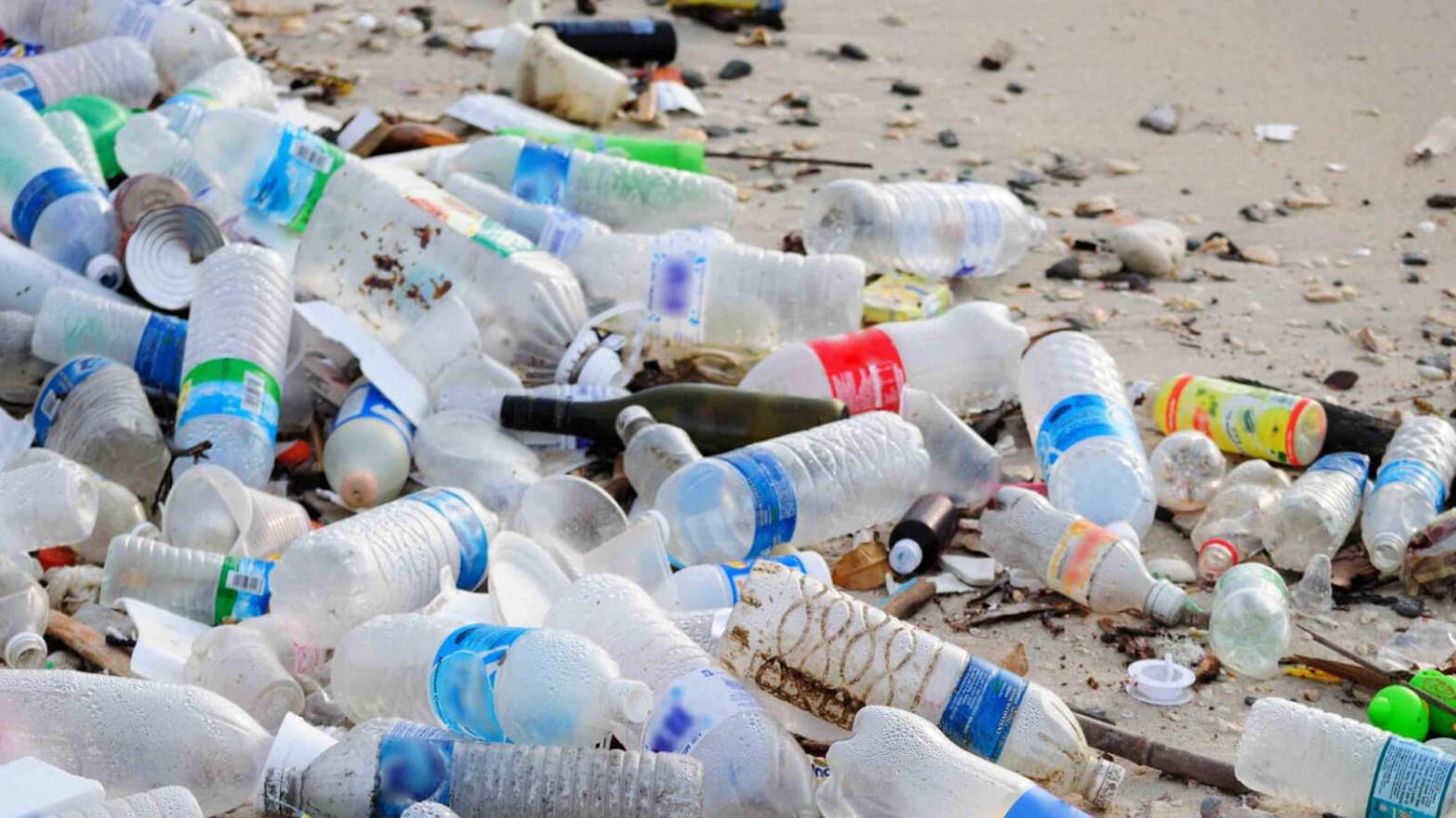
Everyone will agree over the fact that single use plastic is one of the main challenges for our ocean’s sustainability. Over the last two generations, the world has produced over 8bn tons of plastic, and it piles up, since it takes an average 450 years to decompose a plastic-made bottle. Therefore, we pay lots of attention on building a self-sustainable water system on the boat, not only for washing and personal hygiene, but also for drinking.
On any cruising journey, water management is an important topic, taking into account supplying possibilities, water-maker average output, water tankage, crew size etc. This is all the more true for high latitude sailing, where weeks can go-by between water refills, and where low sea temperature will degrade water-maker output by 10% for every 3°C water temperature drop.
Access to water becomes one of the key autonomy criteria. In high latitudes, there won’t be any 7-eleven around to make a boat refill of drinking water, and many docks are not equipped to deliver water to the passing cruiser. In winter time, it’s likely to be shut-off anyway, because of the freezing temperature.
Offsetting 70 to 100 liter per day
We compute the following needs:
Drinking water: anything between 2 and 2.5 l/d per crew. It will be higher in hot conditions, and for active people.
Shower: a very controversial topic between long and short hair people. Anyway, the minimum would be 7 l/u, and an agressive goal would be 12 l/u on average.
Other personal use: 1.5 l/d per crew, but increasing when shower decreases
Laundry: 50 l/u, so the trick here is to estimate the number of cycles/month, depending on the crew size.
Cooking: we estimate an average 4 l/d.
Dishwashing: not easy to estimate, and will depend on crew size. Our initial model is 10 l/d + 1 l/d per crew.
Boat cleaning: 50 l/month
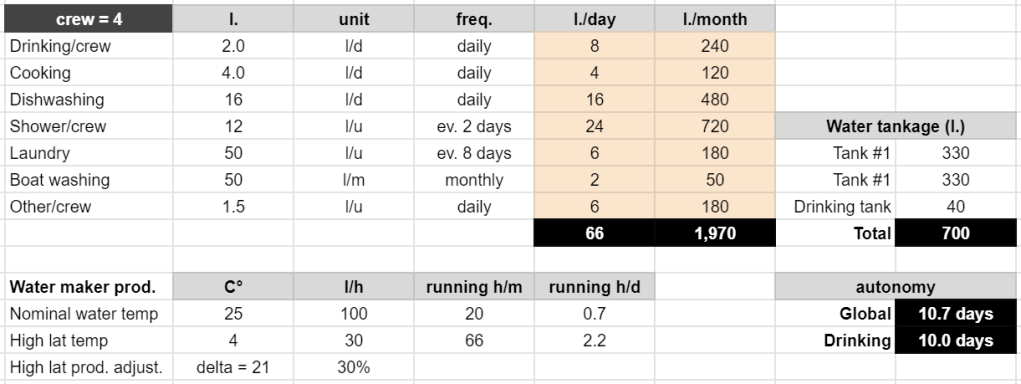
We built a basic model to help us estimate the average consumption per day, the kind of autonomy we’d get and the water-maker production goal. The first estimate is for an high latitude long range journey with a crew of 4, with very no restriction on water usage (no sea water for dishwashing, quick shower every other day):
Daily consumption = 66 l.
Boat autonomy = 11- days (10 days for drinking water)
Water-maker load = 1h/d in nominal sea water temperature (25°C), but over 2h/d in high latitude waters.
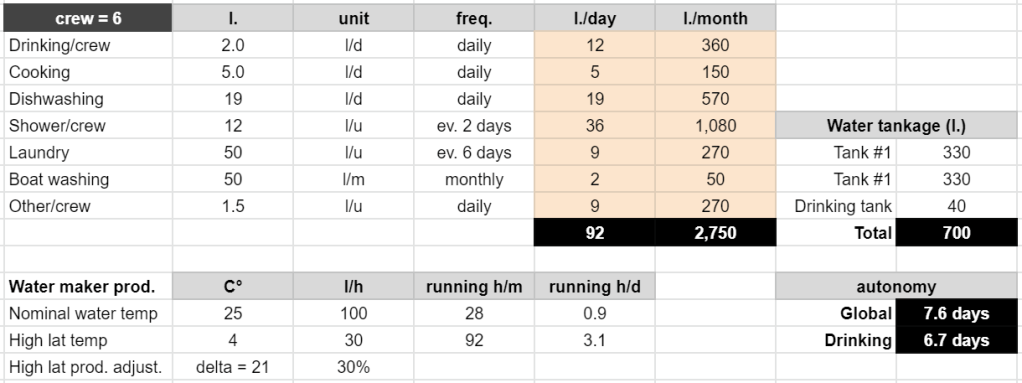
With a crew of 6, the calculation goes:
It is a clear conclusion that making water is a key topic on a long range journey. Initially we though the back-up water-maker would only be a fallback, but it appears we might end-up combining their use to match the average consumption needs, while sailing in high latitude areas with low sea temperature, .
Goal #1 – Making water
Dealing with cold sea water
Sailing in areas where the sea water temperature will be in the 2-5°C range, we need to take into account the impact on watermaker output.
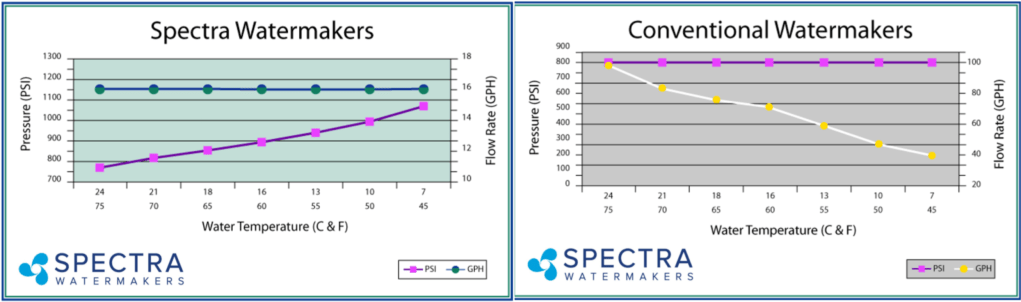
Reverse osmosis watermaker systems are generally rated at 25°C. Variations in temperature influence a reverse osmosis water-makers performance for two reasons : (i) Water viscosity changes at different temperatures; the cooler water gets the viscosity (stickiness) of the water increases. (ii)
The water temperature influences the membrane element. Cold water causes the pores in the membrane to shrink.For every 3 degrees, the temperature drops below 25°C, the permeate output will decrease by 10%.
The drop in flow rate due to cold water temperatures can be offset to some degree by increasing the running pressure of the system.Every 5°C drop in water temperature can be offset with a 15% increase in running pressure to obtain the system rated permeate flow.
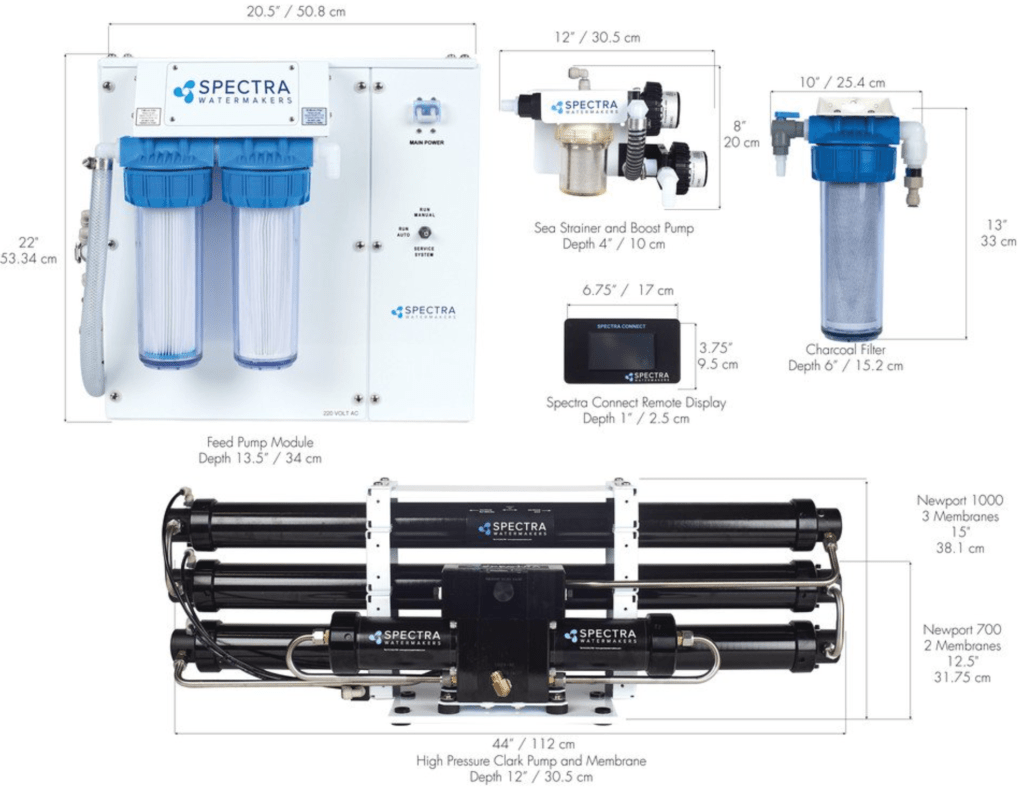
Few water-maker brands have the ability to increase the operating PSI to maintain the output, as water temperature decreases. Confirming H2O on the go analysis, here are Spectra’s numbers:
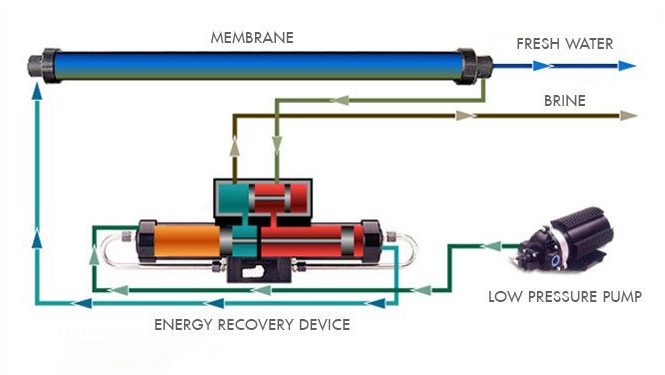
Spectra is able to perform this variable psi function while maintaining control on the energy consumption thanks to the use of the Clack pump, a hydraulic intensifier and energy recovery device. It provides enough pressure for reverse osmosis, but reduces energy consumption by up to 75% over conventional systems, by recycling the energy in the pressurized brine stream to boost the low pressure feedwater up to 800 PSI (55 Bar).
Clark energy recovery pump
So for high latitude sailing, implying very cold sea water, there are two approaches for maintaining the water-maker output: either select a variable psi Spectra unit, with a smaller one as a backup, either run two similar units in parallels (one being the backup of the other).
Benchmark
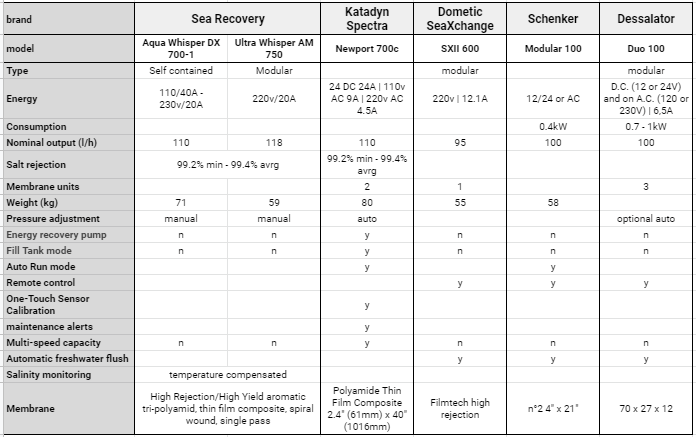
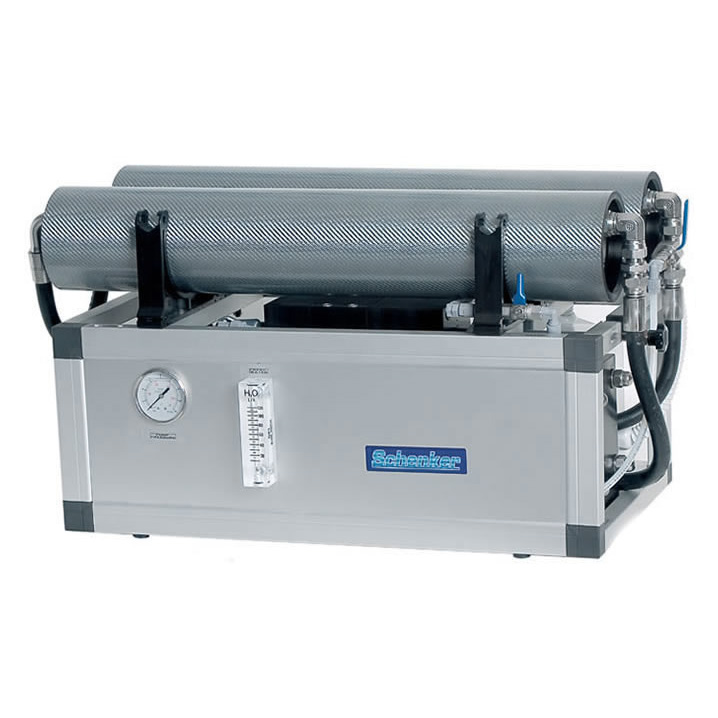
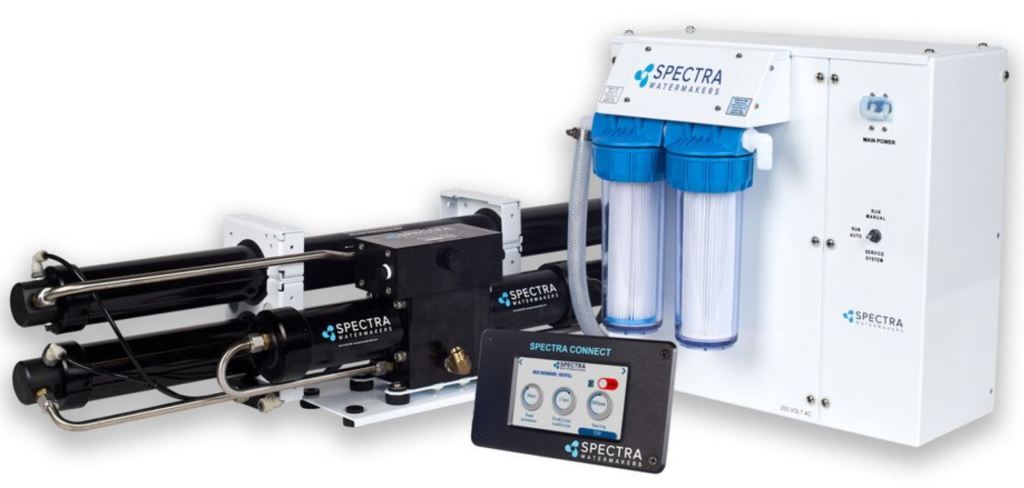
This being said, we benchmarked the most common brands, including Spectra:
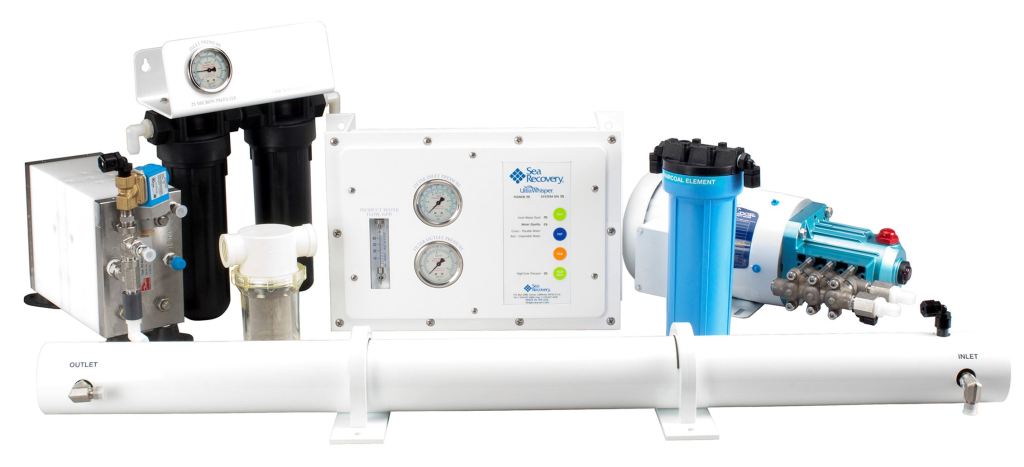
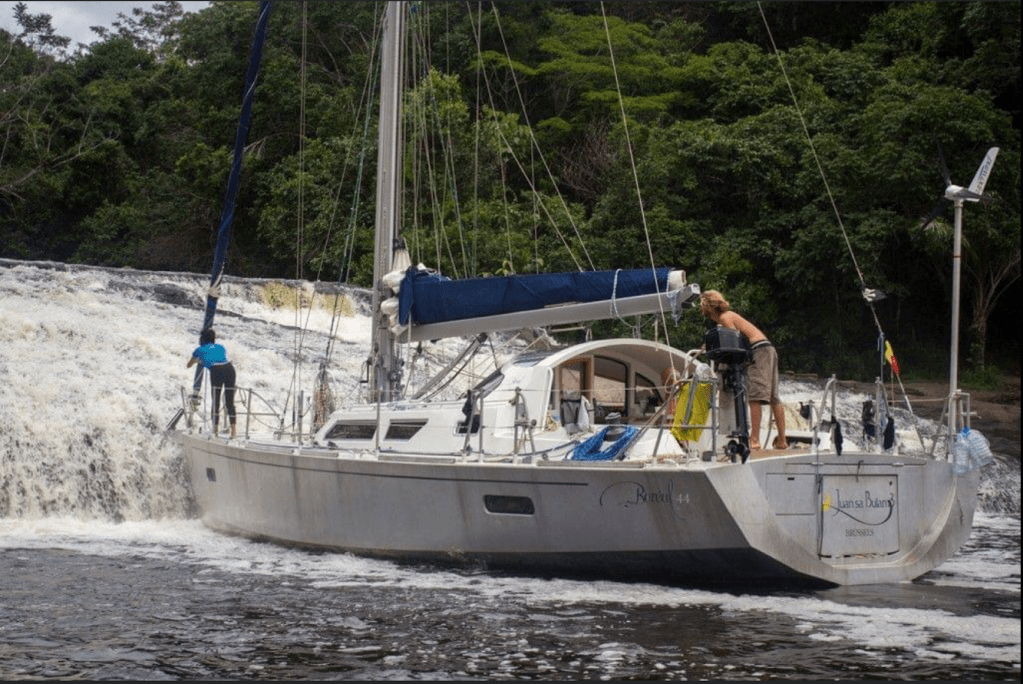
Water-maket Spectra Katadyn Newport 700Sea Recovery Whisper Ultra modular systemAn unusual way to make water, for this Boreal 44, and not always handy when you need it
Goal #2 – Drinking water
Dedicated tank for drinking water
We definitely drop the PET-bottle drinking water habit, and there are many good reasons to do so, their environmental impact not being the least. The burden of carrying and storing them, on a 2l/d per crew basis, comes just behind.
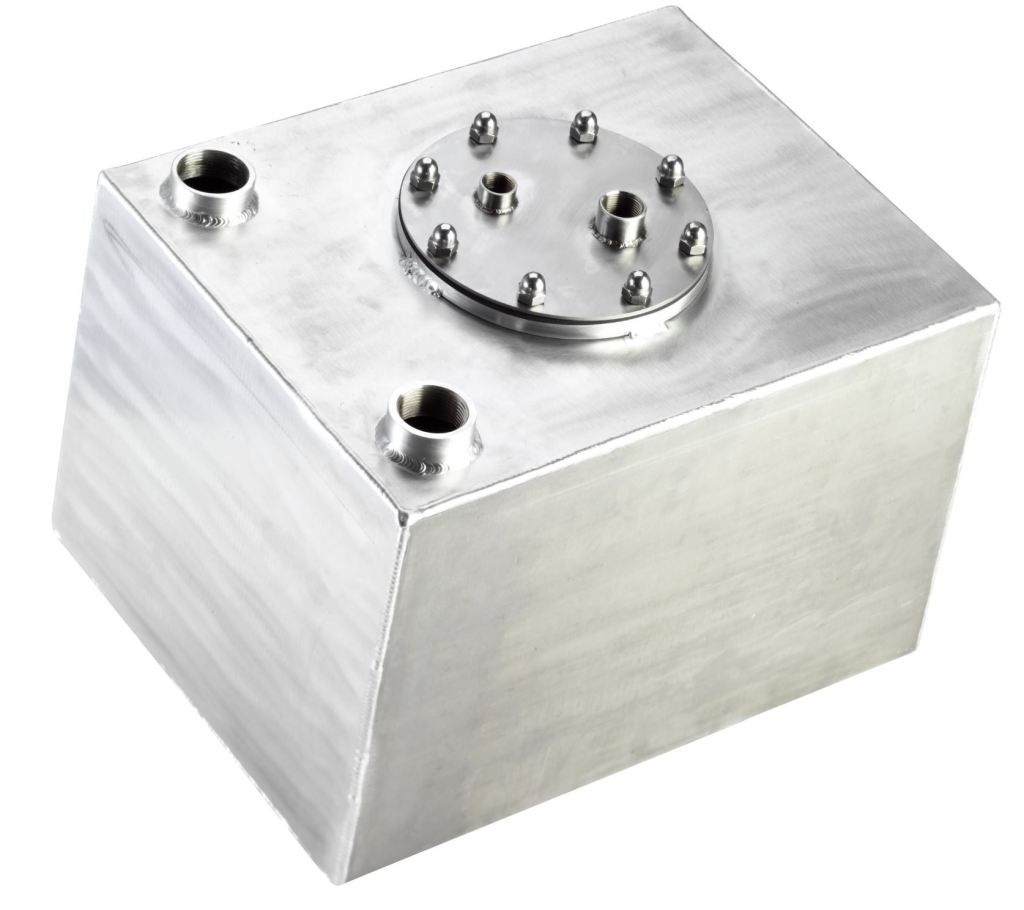
With this in mind, we devised a specific water installation, using an unusual drinking water dedicated tank. This is something we have seen in a custom-built KM yacht, but appart from this, it seems to be an unorthodox water fitting, including on long range sailing boats.
Smaller volume ensures that the water is frequently replaced and stays fresh.
Can be filled in two different ways:
Directly from the watermaker output, with overflow filling the main water tanks.
Or through the boat dock inlet.
40 litre tank is made from 1.5mm thick stainless steel
The tank can be removed for cleaning, with a large opening
Has a dedicated filter system for the drinking water
And last a dedicated faucet in the galley
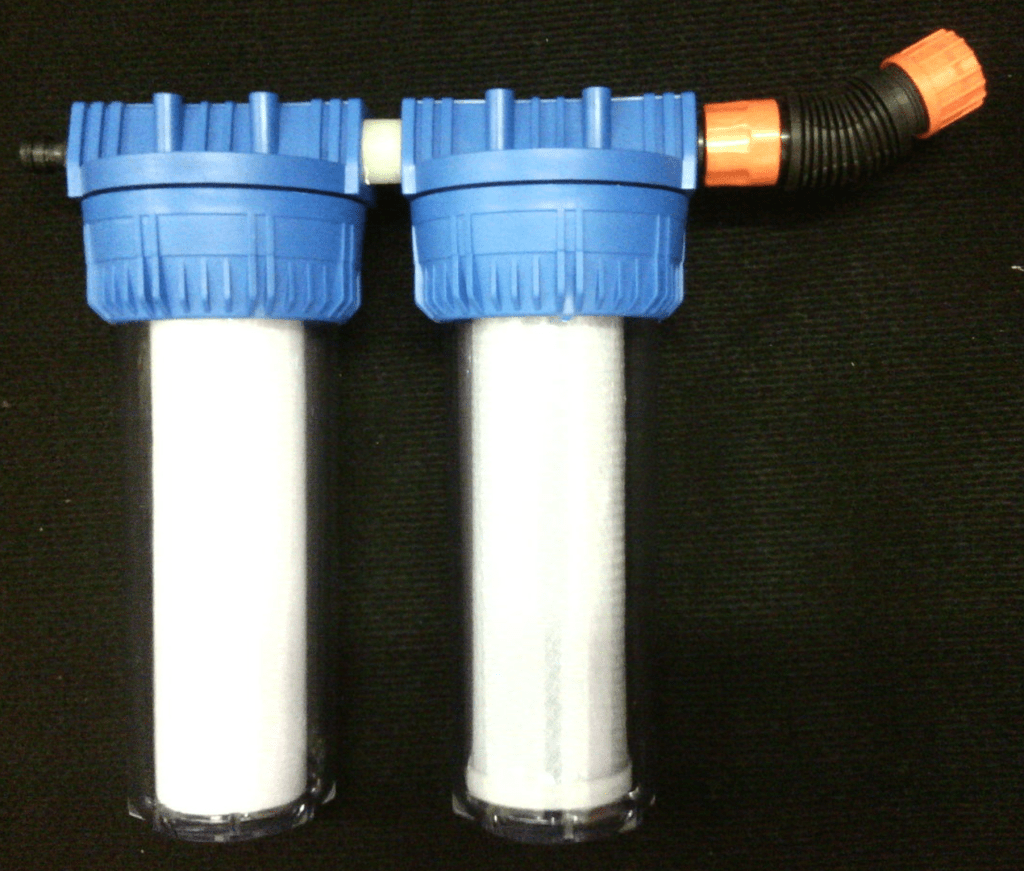
As an additional benefit, we would use this water to rinse the watermaker membrane, as it would be chlorine-free (a hazard for the membranes), unlike most of the water we get on marina and harbor hoses.
Drinking water treatment
The water stored in the tanks will have various sources over time. It may come from a dock faucet (city water), running through different qualities of tubing system. The sanitation standard will differ from one place to another, and it will include a fair dose of chlorine, which is bad for the watermaker should it be used for rinsing the membranes. While the water made out from the water-maker is likely to be the purest, both chlorine and pesticide-free, in some circumstances it won’t be possible to use it, for instance on an extended stay in a harbor or a marina.
The following items needs to be considered to make the tank water drinkable:
Viruses & bacteria: while some may be odorless, the sign will be when you notice a pungent odor coming from your tap.
Cysts: Giardiasis is a gastrointestinal illness caused by the introduction of Giardia cysts from human or animal wastes into water supplies. The microscopic cysts are capable of surviving in cold water for several months. Cysts are easy to filter, given their larger size in comparison to those of bacteria and viruses (7-10 microns).
Chlorine
Dirt and sediment
Pesticides, herbicides and solvents
Foul tastes and odors
“Buy a filter or be a filter”
A marketing plot ?
Various solutions exist, based on filtering and UV radiation, and of course, and a mix of these would be highly recommended to lose the PET-bottles habit and start drinking from the boat tank.
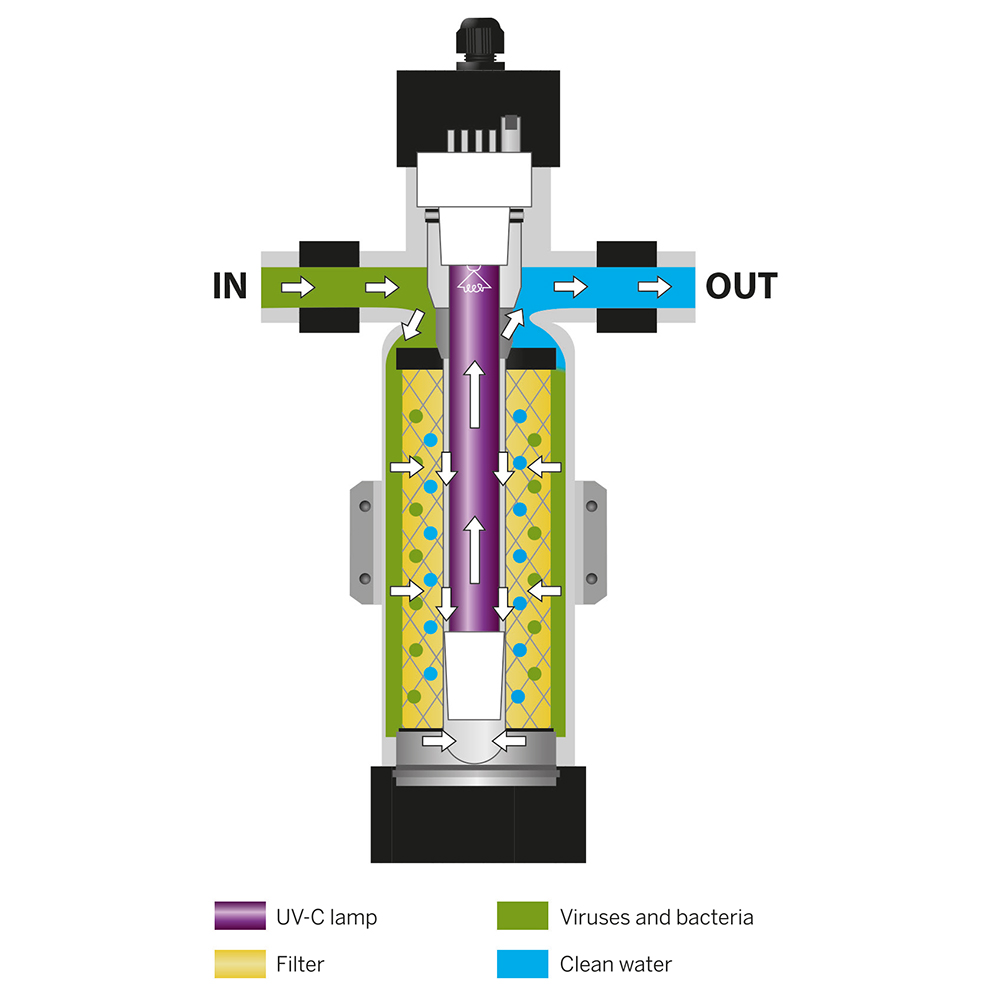
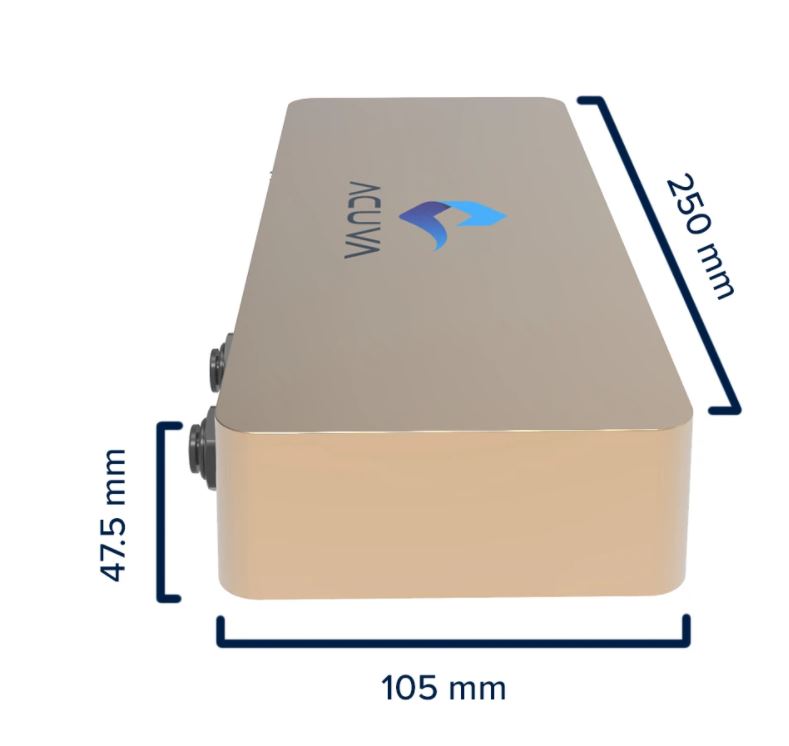
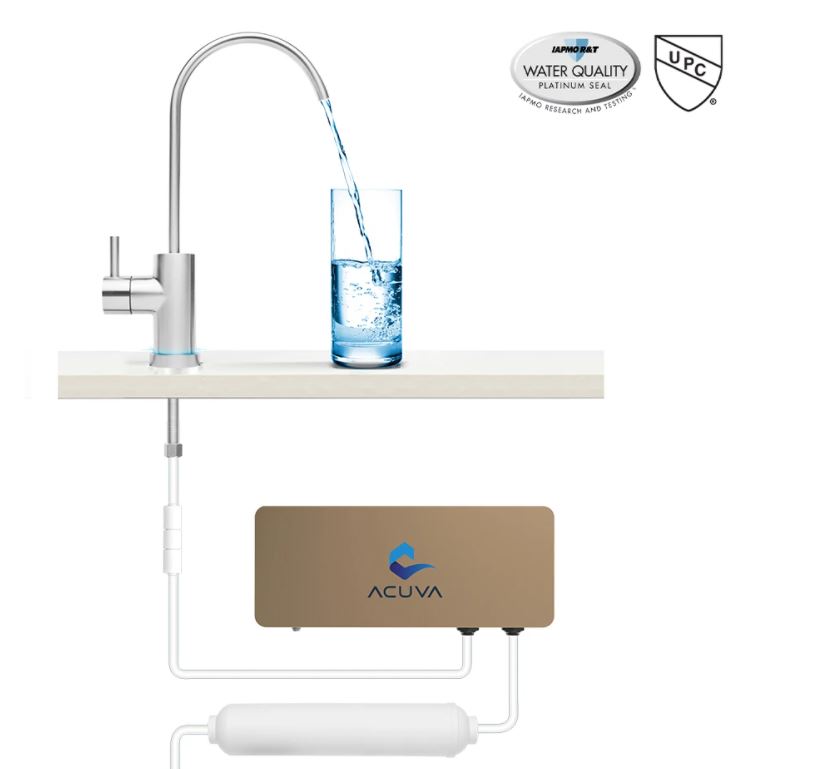
Acuva Tech UV: eliminates bacteria, viruses and cysts, needs to be coupled with a pre-filter for chlorine, sediments, odor and taste. Specs: 12, 120 and 230 V | power consumption active 9W, standby 0.1W | Operating Pressure: 12-100 psi | dim 475 x 250 x 105mm | LED life-time ~1000h.
Filters
Seagull X-2KF Esprit: ecologically friendly (no chemical, no electricity or hold time), its technology removes all three classes of contaminants: microbiological, chemical and aesthetic. Spec RS-2SG purification cartridge capacity ~8000 l | flow rate 7.6 l/mn | 25-100 PSI. Link to Seagull’s EPA testing.
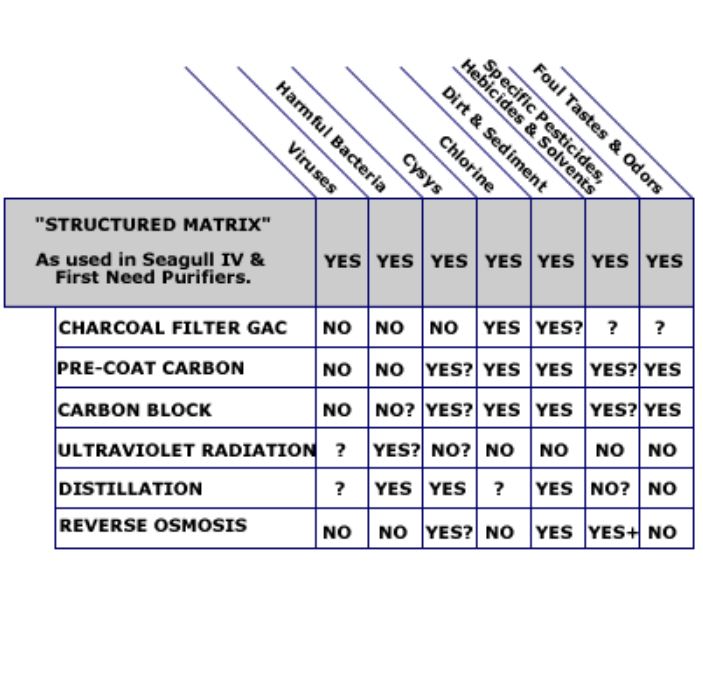
Nature Pure QCII water filter: employs the same General Ecology’s Structured Matrix™ purification technology of the Seagull system (no chemicals or electrical connections) with best results against bacteria, cysts, and viruses. Spec Size: 228x76mm | Particle Retention: 0.4 micron | Flow Rate: 3.0 l/mn | cartrige capacity 2,000 liters | Operating Pressure: 20-100 psi.
UV and filter combined
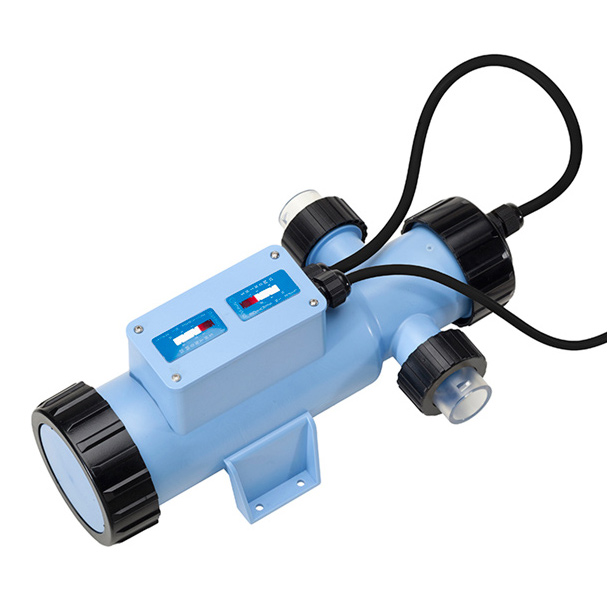
InstantTrust Marine double Blue: water flows through the 5 micron filter and is then exposed to UV-C radiation. Spec : 35 x 18 x 12 cm | 12, 24, 120 and 230 V | Max power use 11W.
InstantTrust Marine double Blue
InstantTrust Marine double Blue
Seagull X-2KF Esprit
Acuva UV system
Acuva UV system with pre-filter
Seagull technology vs. other purification systems
Boat water system schematics
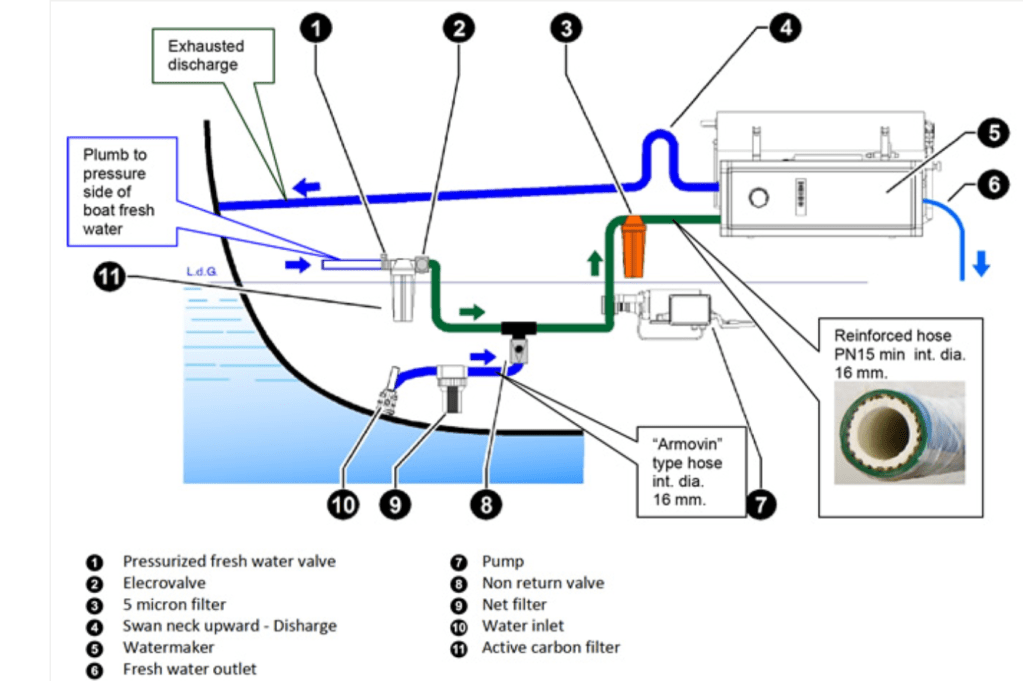
Water being considered as a key system, we apply our redundancy principle. The main system’s output will be circa 100 l/h, and we add a backup system, fully independent, which may have a lower output (30 l/h for instance).
Depending on space available, the backup unit could just as well mirror the main, with a twofold benefit: simplifying maintenance on one hand, and doubling the output when high latitude lower temperature will make it necessary, on the other.
Measuring consumption
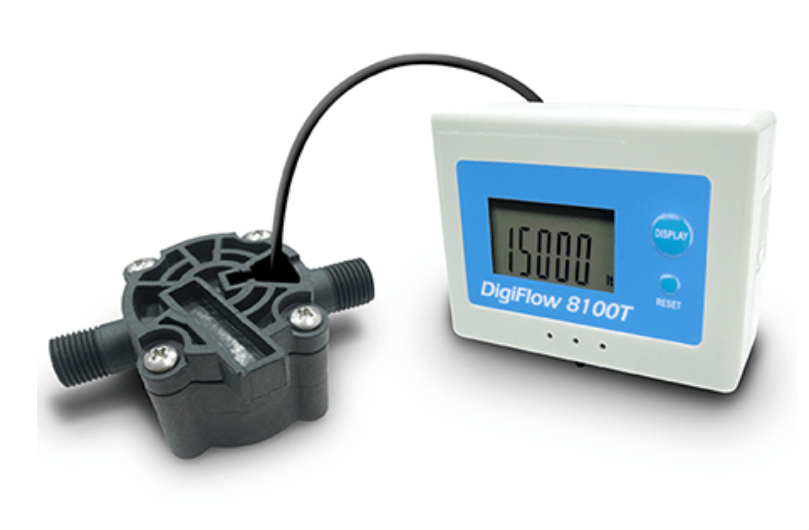
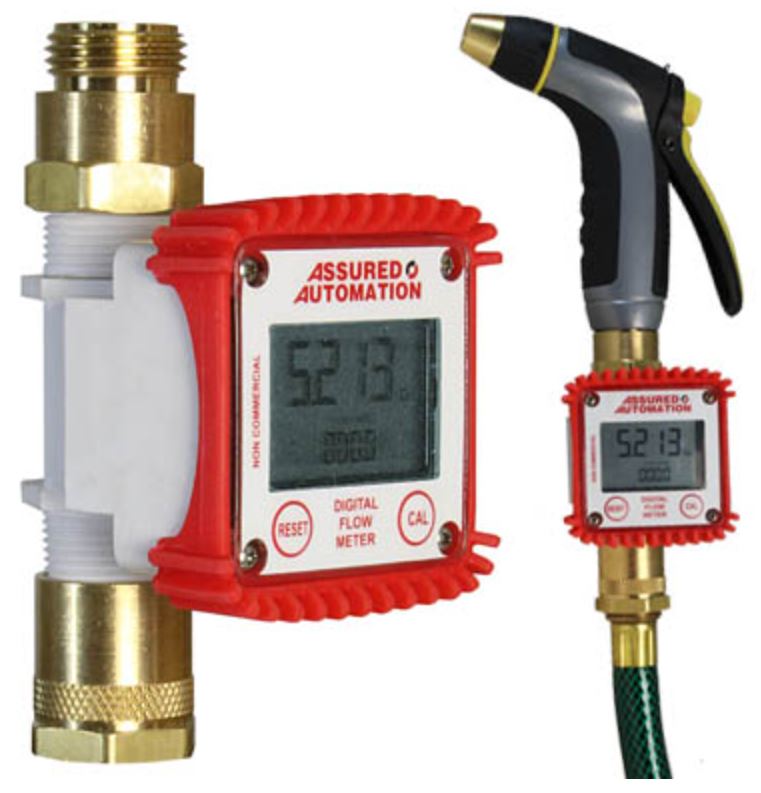
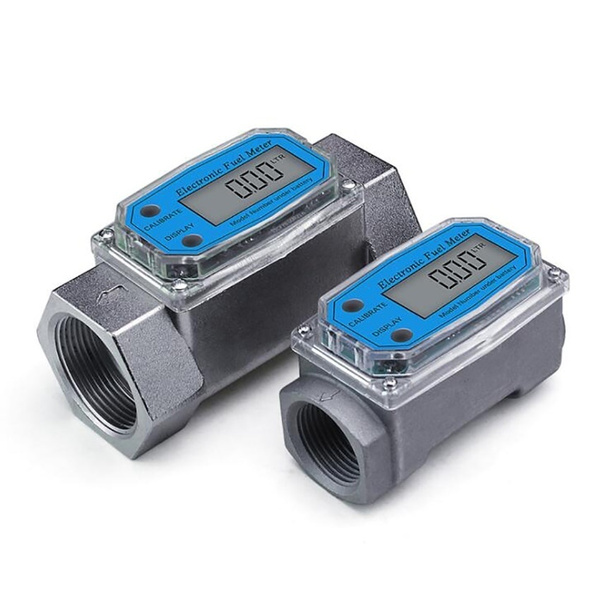
In many cases, the tank gauge isn’t reliable – for instance on a heeled long passage. This in when the flow-meter comes in. Many systems exists, from basic battery operated ones to sophisticated models with consumption-level alarms. Working on a catamaran project, with reliable gauges (no heeling), for the purpose of measuring consumption and backing the tank gauges, the most simple models should make the trick.
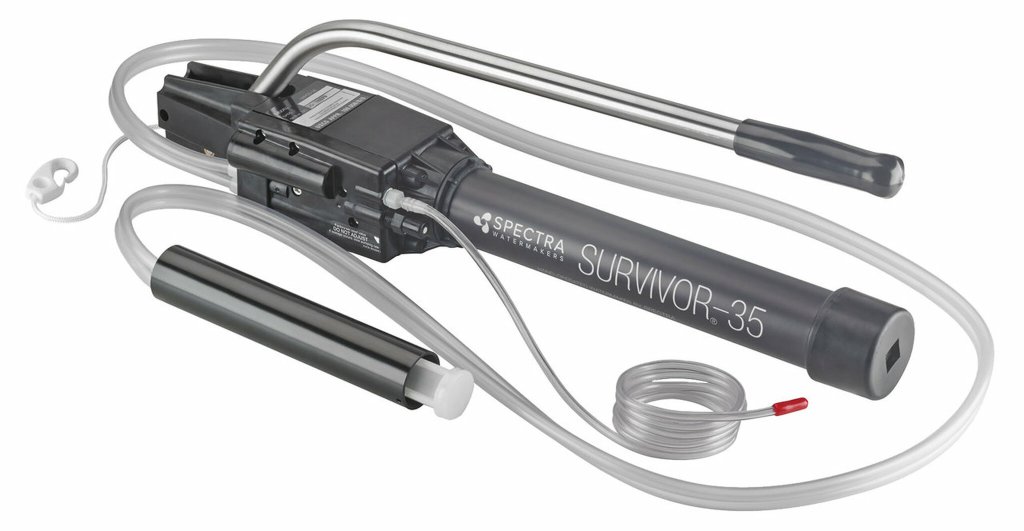
In case a boat evacuation is necessary, we plan to add to the grab-bag content a manual water-maker such as Katadyn’s Survivor 35, and this can be a life-saver while waiting for rescue.
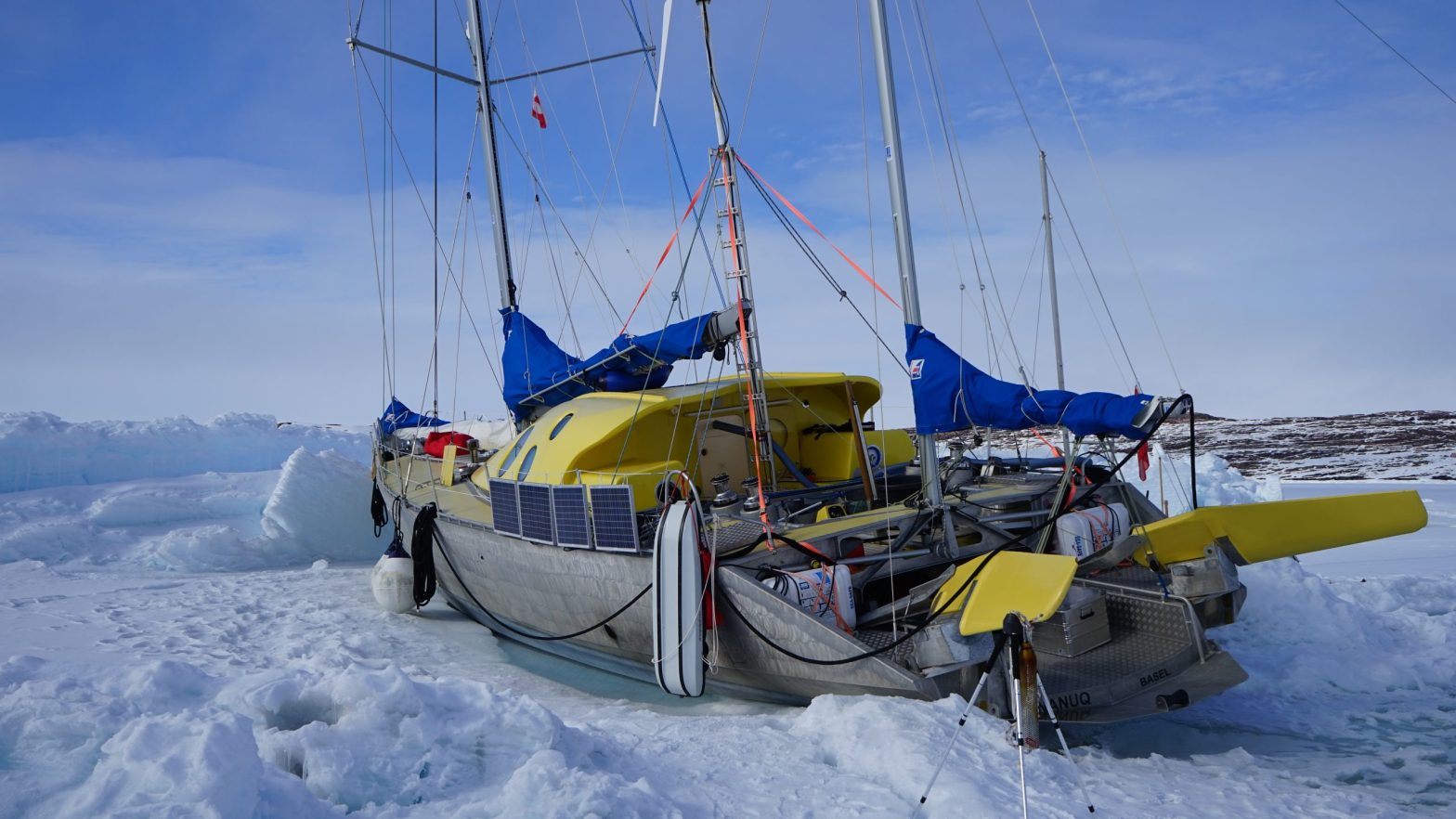
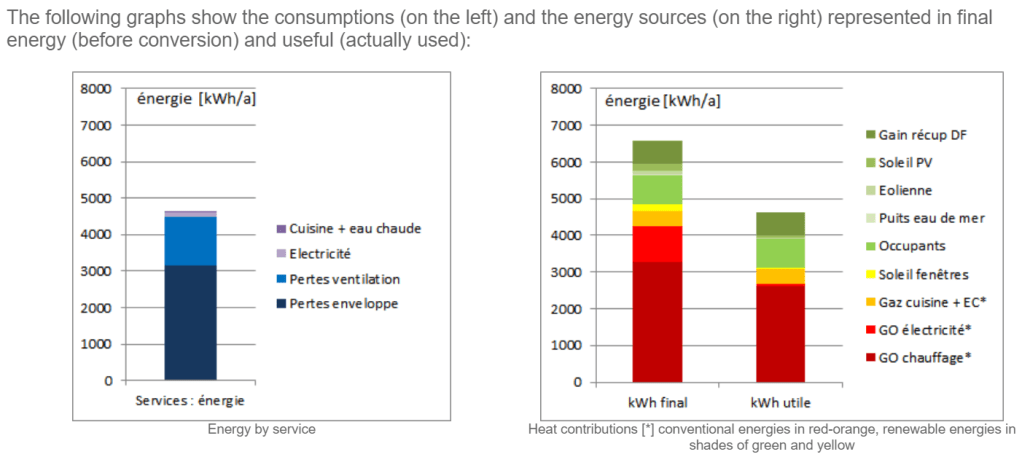
Nanuqis a 60 feet Grand Integral launched in 2014 and designed to minimize environmental impact while accommodating a crew of up to 12 in high latitudes, including during winter. Built with the same insulation standards as a passive house, one of its first scientific projects was to prove that its crew could live through an Arctic winter in an energy self-sufficient way (meaning no use of non-renewable energy). Even while making some extreme energy management decision which wouldn’t happen on a more casual cruiser, this initial scientific project proved in an extensive way that energy management on a boat was primarily a matter of insulation (66% of the energy consumed) and ventilation (28%), to be compared with the other consumptions (Electricity 4%, kitchen, water and hot water 1.5%, laundry 1.5%).
Insulation is one of the many topics which high latitude capable boats will differ from with the average mild climate cruisers. Nobody goes to a boat show asking “I wonder what type of insulation they use”. Its goal is twofold: (i) Prevent condensation and (ii) Optimize heating needs
Preventing condensation
Condensation will happen any time a warmer air will enter in contact with a cold surface, especially one with high thermal conductivity such as aluminium or glass. It defines the transformation of water vapor present in the air into liquid water on its surface. While we casually encounter condensation in our daily life, in a boat this phenomenon is not welcomed at all.
Everyday condensation
– Having a cold soda on a hot day, the can “sweats.” Water molecules in the air as a vapor hit the colder surface of the can and turn into liquid water. – Dew forms in the morning on leaves and grass because the warmer air deposits water molecules on the cool leaves. – The mirror in the bathroom during a shower becomes foggy because warmer water vapor in the air hits the cooler surface of the mirror.
Softschools
So isolation is essential, not only to optimize energy déperdition and heat production, but also to fight condensation. In this case, its goal is to keep the living areas’ heat away from any thermal bridge surfaces, such as hull and windows surfaces, and their framing as well, depending on their conception.
An addition to condensation coming from the external surface, humidity level in the boat is related to simply living aboard:
Humans perspire and exhale 40 to 90 g/h of H2O vapor depending on their metabolism and activity level. A crew of 4 would produce 4 to 6 l/day of water vapor.
Drying clothes indoors: 1.5 l/d
Gaz cooking: 3 l/d (Propane or Methane + x.02 = CO2 + y.H20)
Electricity: 2 l/d
Dishwashing: 0.5 l/d
Washing clothes: 0.5 l/d
Propane: C3H8 (molar mass: 3*12+8*1 = 44g/mole) water: H2O (molar mass: 2*1+16 = 18g/mole) full burn formula: C3H8 + 5 O2 -> 3 CO2 + 4 H2O So burning 1 mole of propane (44g) produces 4 moles of water (4*18g=72g).
Butane: C4H10 (molar mass: 4*12+10*1 = 58g/mole) full burn formula: 2 C4H10 + 13 O2 -> 8 CO2 + 10 H2O so burning 1 mole of butane (58g) produces five moles of water (5*18g=90g).
Anonymous sailor who didn’t sleep over chemistry classes
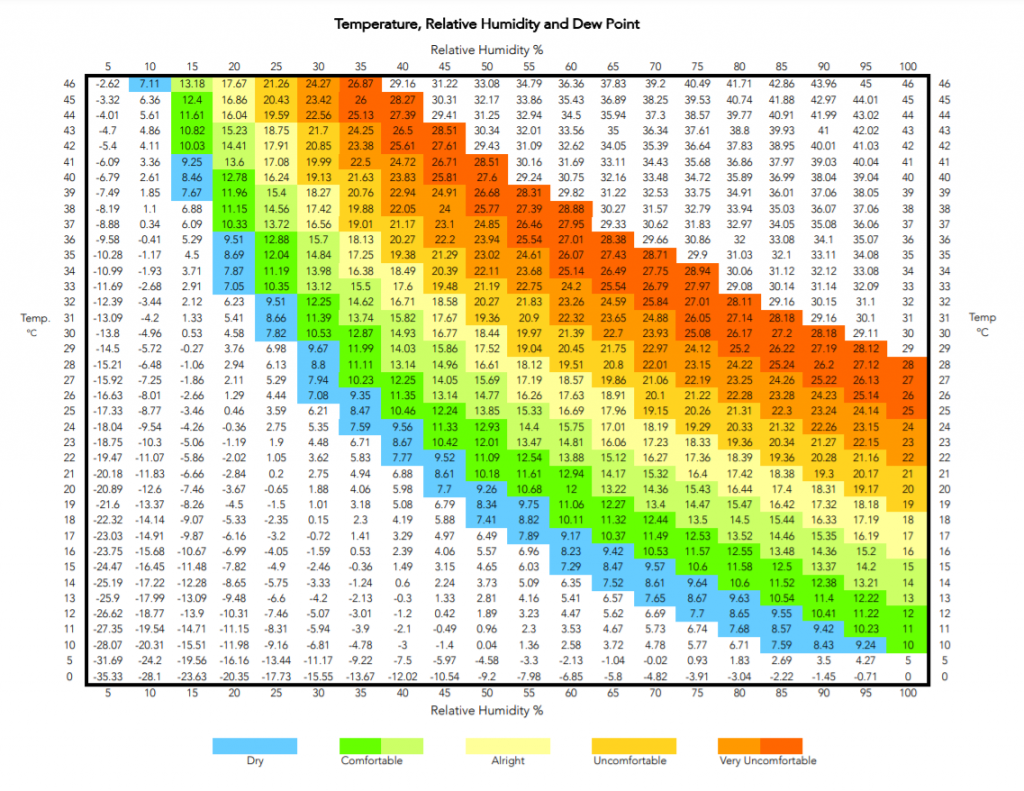
The air’s capacity to hold onto that humidity depends on temperature. Relative Humidity (RH) tells us how much water vapor is in the air, compared to how much it could hold at that temperature, shown as a percentage.
The Dew Point (DP) is the temperature the air needs to drop to in order to reach 100% RH. At this point the air is fully saturated with water, condensation forms, and that’s when mold/mildew forms and life becomes uncomfortable.
Depending on the activities onboard, unless you want water dripping from all windows and other metal surfaces, the only way to deal with high humidity level is to ventilate the boat.
Easy said in mild climate, not at all convenient in high latitude freezing temperatures.
Ventilation
While critical on a wood hull, ventilation will be a necessity on any other hull material to deal with condensation and humidity levels, preventing mildew for instance.
This is a topic we’re still working on, but at this stage, we expect both forced ventilation in the bilges and passive ventilation (why aren’t there any dorade-type ventilation systems on catamarans?) in the living areas.
Given the importance of humidity coming out of the galley, a forced-air extract system might be a good idea for high latitude sailing, when the boat is tightly closed.
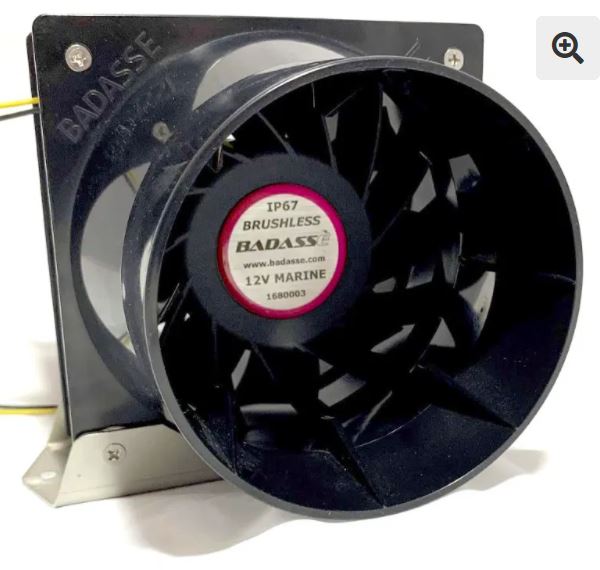
We plan on implementing bilge forced ventilation on both hulls, based on brushless fan technology, which will induce lower energy consumption.
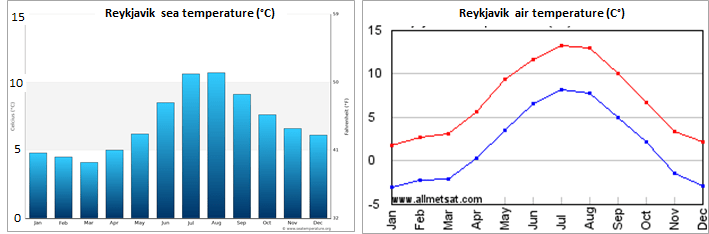
Unless you plan for ice over-wintering, with a specific related boat conception, the sea would be considered as an insulation agent against external temperature. In Reykjavik, for instance, sea temperature wouldn’t go below 4°C, even during the cold winter months, when average temperature would be below 0°C (oct-apr). This is slightly countered by the fact that water has a much higher thermal conductivity than air.
Reykjavik temperature reports demonstrate the sea thermal inertia
This is one reason why we plan to isolate the hull from water-line up and including under-deck. Another one is related to the fact that should anything happen to the hull below the water-line, it’ll be easier to diagnose and deal with if not covered by a thick insulation layer. Lastly, in tropical areas, we’d probably be happy to get some inside cooling out of the sea temperature.
Regarding the hull, insulation will usually be done with foam or fiber, and the thickness would depend on the temperature difference expected between the inside and the outside of the boat. This needs to be done very thoroughly, especially on any “thermal bridge” material, such as window metal framings.
Warm will find its way behind the insulation, and this is when condensation will happen, particularly on metal of glass surfaces. And over time mold is likely to form, in places where it’ll be difficult to deal with.
The most commun isolation techniques are spray foam and closed-cell, elastomeric or extruded polystyrene, foam.
Spray foam
On a steel hull, when condensation can lead to hull oxidation, the issue is not only about comfort. These hulls would usually be isolated with spray-on Polurethane foam. This product has different commercial names (thermal insulation foam, insulation foam, spray PU Foam, 2 component spray PU Foam, heat and acoustic spray insulation foam), and while its application will bond an insulation coating to all surfaces, it don’t seem adequate when in need of thicker insulation due to extreme outside temperatures.
The tricky part with Armaflex is to ensure its perfect bounding with all surfaces, including parts where metal welding makes it difficult to ajust foam shapes (“covering every nook and cranny”, as KM Yachtbuilders would say it).
And of course, expressing concerns about long term bounding of the adhesive.
AF/ArmaFlex is the professional flexible insulation for reliable continuous condensation control. Its unique microcell structure makes the product easy to install. The optimal combination of a very low thermal conductivity and extremely high resistance to water vapour transmission prevents long-term energy losses and water vapour ingress and reduces the risk of under insulation corrosion.
Closed-cell extruded polystyrene foam, such as Styrofoam
Boreal range polystyrene insulation
Deck insulation
As we have insulated all the inside from water-level up to the deck, of course under deck surfaces and all superstructures have been covered with the same insulation foam material.
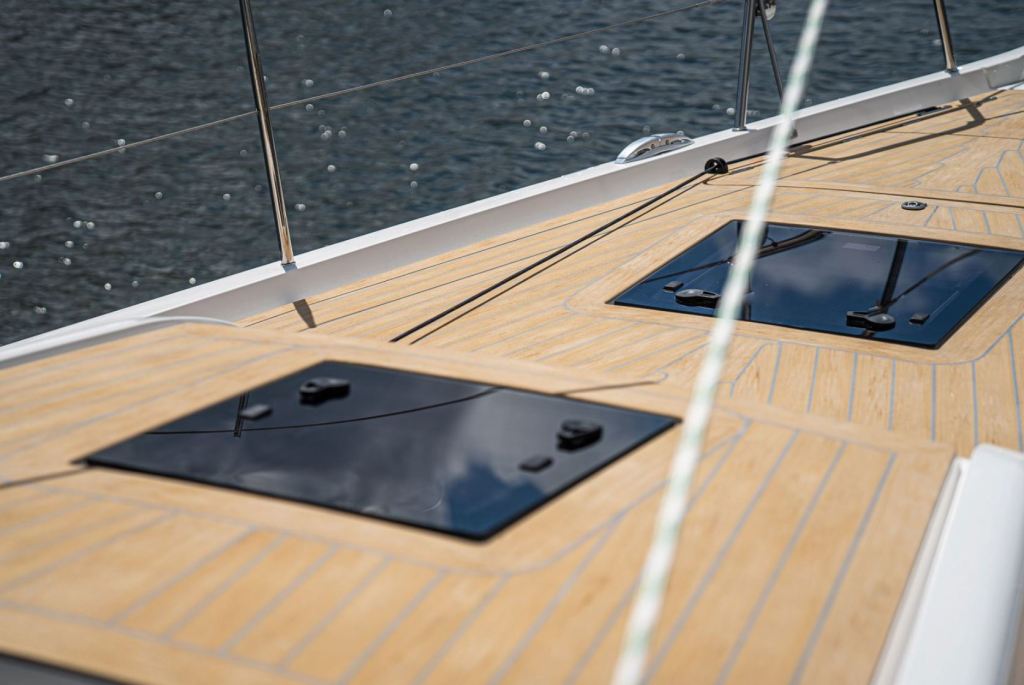
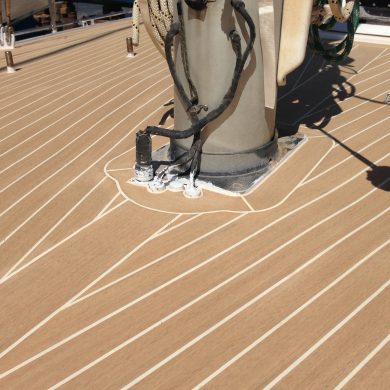
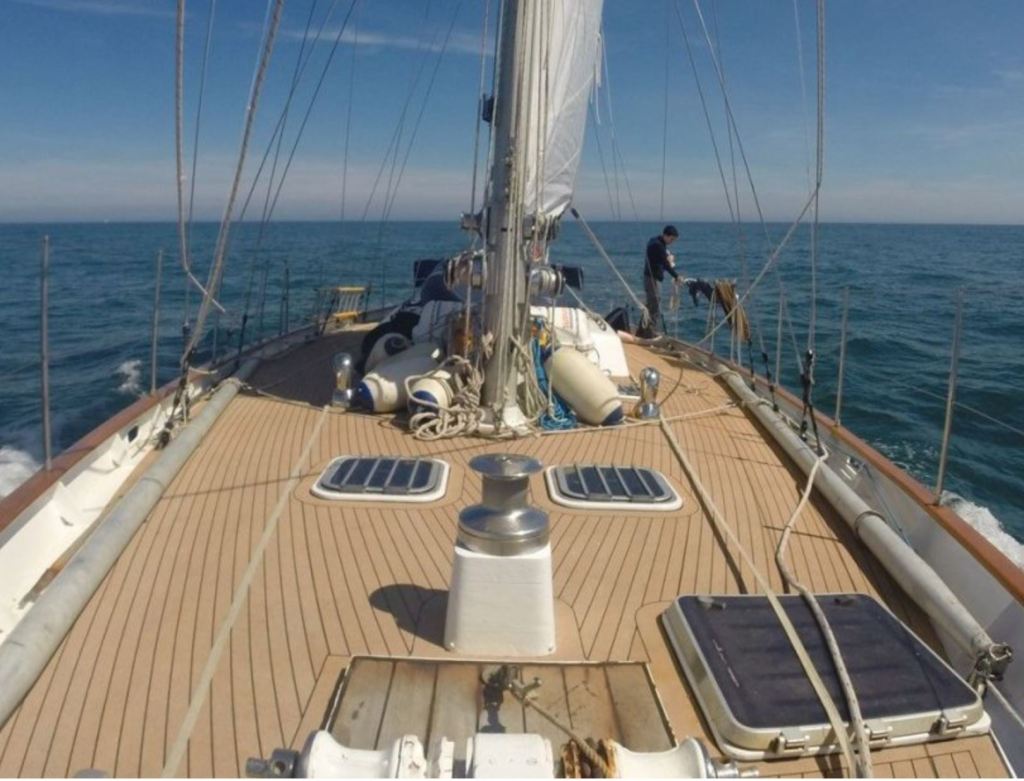
Additionally to this under deck insulation, while most high latitude sailing boats will keep their bare deck aluminium surface just covered with non-slip paint, we’re planning to add a faux-teak surface. At this stage, this is one of these compromises which come for a boat which will not be 100% high latitude. We’re thinking about how a tropical sun shining on an aluminium surface is likely to transform it into a giant radiator, not to speak of the barefoot walking on it.
We can think of only two drawbacks:
There is always the risk of corrosion beneath the covering. The probability is pretty low, as water has to penetrate under the material, but it would be difficult to detect until a very advanced stage is reached, and the consequences would be dreadful.
And secondly, it adds some weight on the boat.
But we think the benefits outmatch these, especially while coming back to high latitude and/or winter sailing, where this additional layer would increase furthermore the deck thermal insulation, provided we pick the right material.
PVC with REACH compliant phthalate-free plasticizer, fully recyclable
Outdoor grade PVC
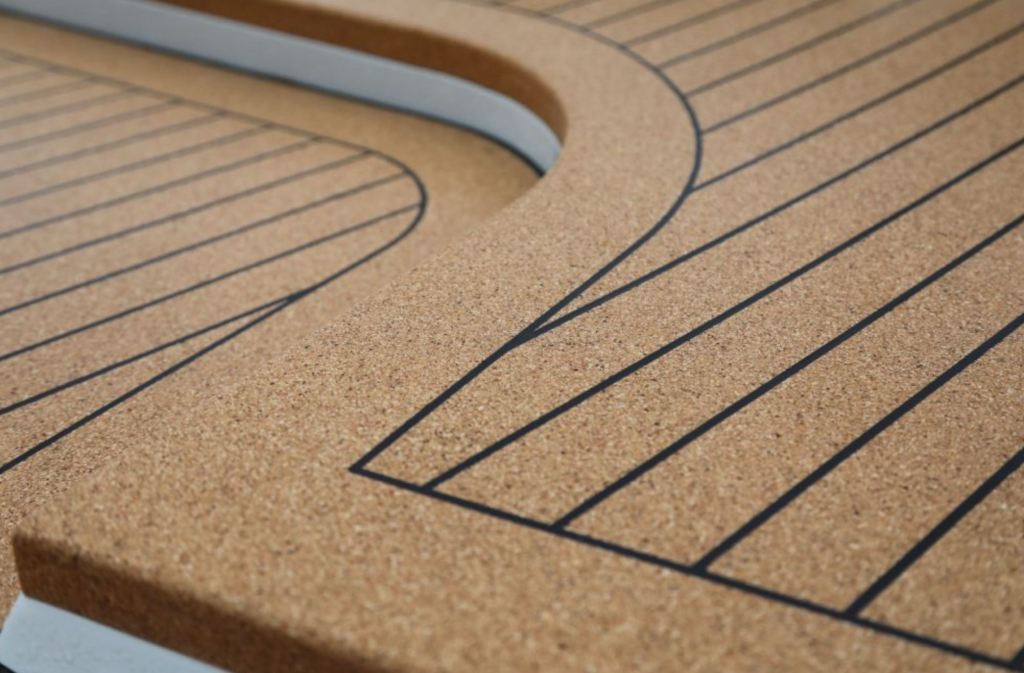
Cork granules with polyurethane. Cork a is natural product with high insulation grade.
Weight (kg/m2)
4.5 (5mm)
5.4 (5mm)
2.4 (8mm)
Composite faux-teak solutions are increasighy popular, given the real stuff’s cost, duration and maintenance
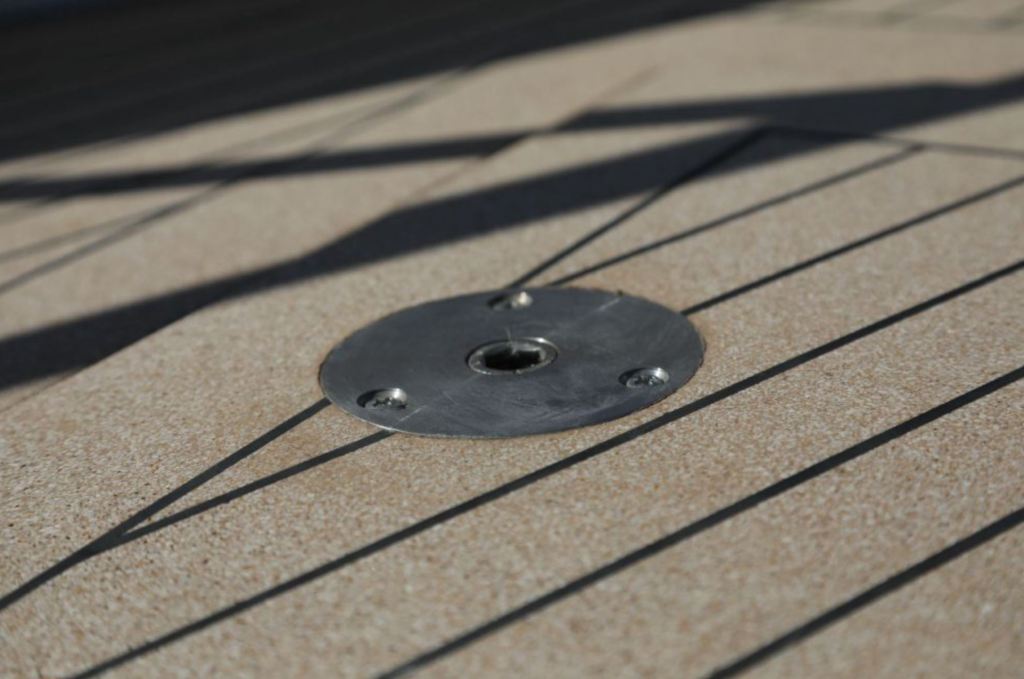
Between a PVC-based material, even of the recycle type, and a natural cork-based one, there is little to hesitate for, especially if you consider its weight. So Marinedeck 2000 will be. It might add 80-100 kg to the global boat weight, but to our eyes, the benefits outmatch this, especially if it makes it unnecessary to add an extra foam insulation layer below deck. And by the way, we love the natural look and feel of it.
Marinedeck 2000 detail
Floor insulation
Given the thermal characteristics of aluminium, the area under the cabin floorings will eventually get to a temperature nearing the one of the sea. Although this will never be as extreme as the air temperature, the floor insulation equally needs some insulation attention.
Since the temperature to deal with isn’t as extreme, and as well to save weight, the floor isn’t necessarily isolated underneath. However it has an insulating foam core, and while sailing cold areas, we plan on setting a wool carpet in all the cabin areas, and maybe around the table in the living space.
Windows insulation
Coming back to Nanuq’s takeaways, the biggest heat leaks are going to be windows, hatches and door openings.
Opening hatches and portholes are prone to condensation because of their high thermal conductivity aluminum framing. The only way to achieve a thermally broken profile is to assemble the inner and outer framings with some thermal insulation material in between (polyamide for instance).
Large living area windows and doors
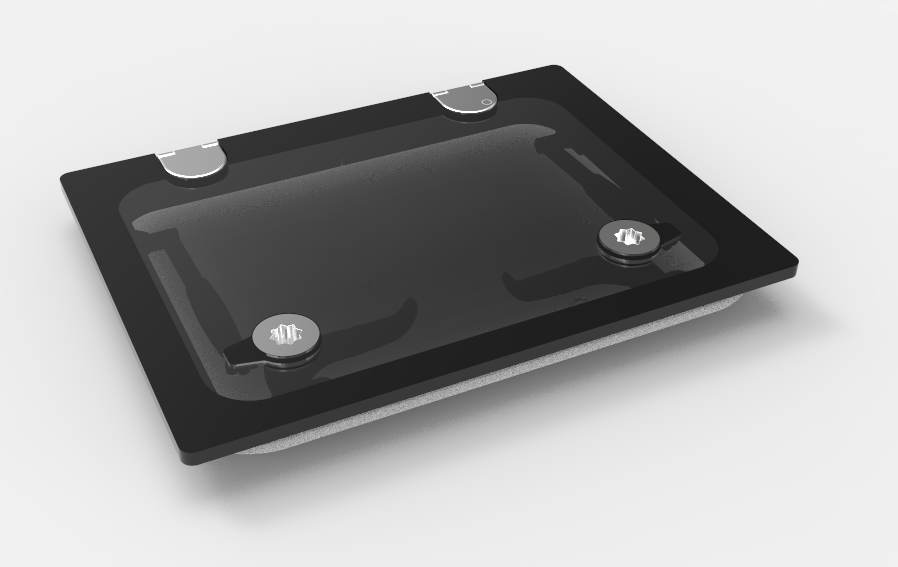
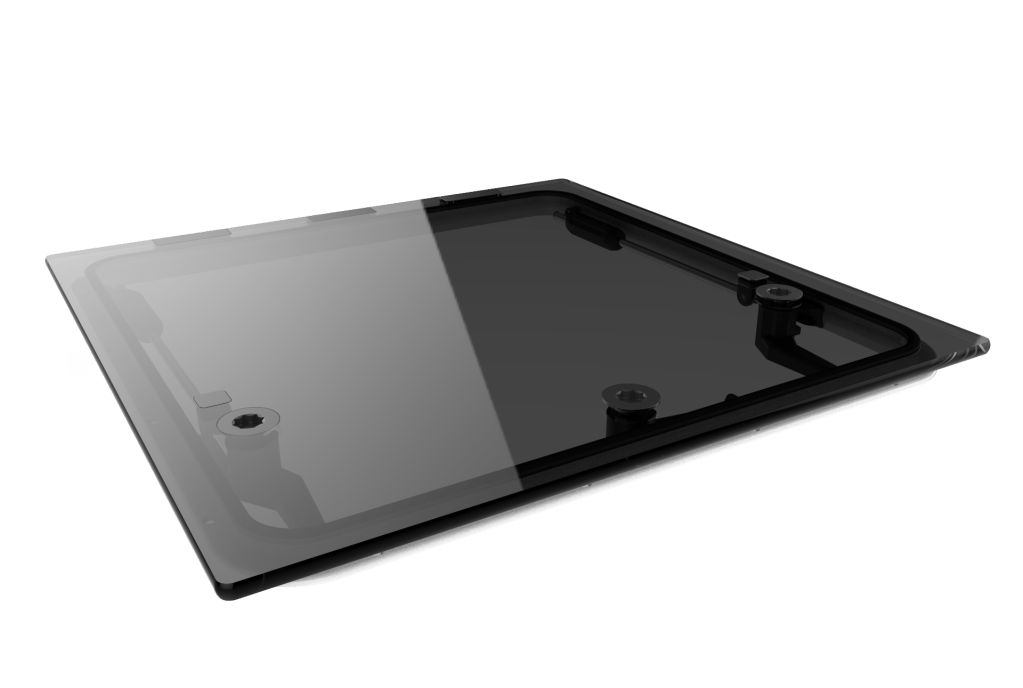
Deck hatches
Hull portholes
Goiot – 15mm acrylic, mounted on stainless hinges
Lewmar – Flush Hatch 3G 10mm acrylic
Lewmar – Flush 3G schematics
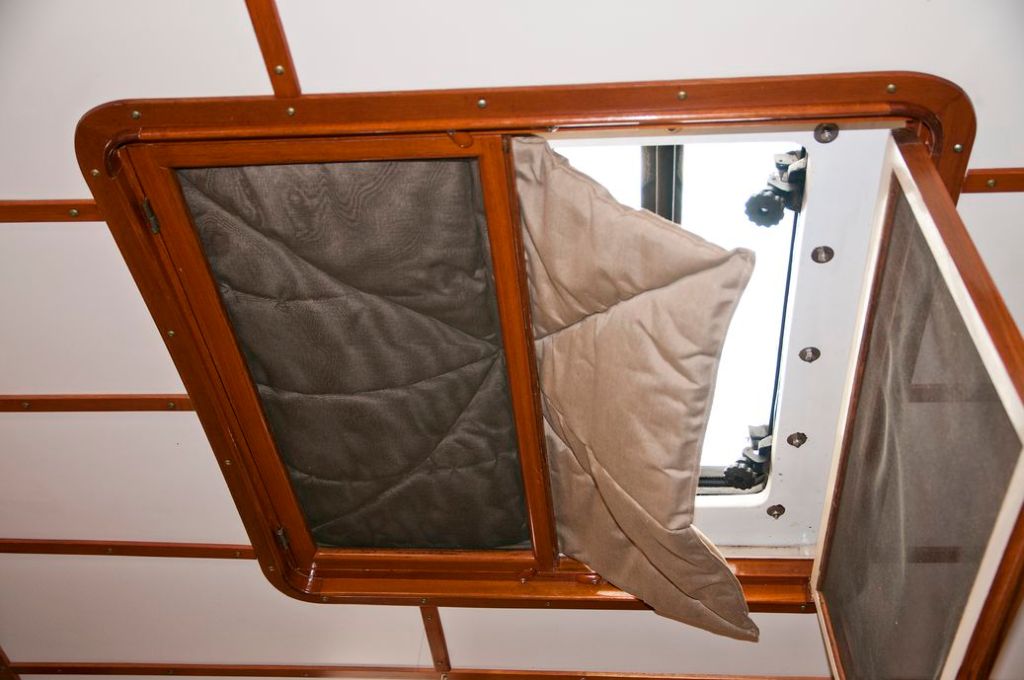
Condensation will eventually appear on the window surface, and especially on their aluminium framing. There are horror stories of so much water dripping on bunks beneath that it would make them unusable for sleeping — and try to think of the time required to dry them. Basically, you want no aluminium hatch frames exposed to the moist warm interior air, meaning either a specific framing design, or a double insulation.
On top of carefully selecting the hatches and porthole for thickness and framing structure, the only way to prevent it is to create a double layer of insulation, either inside or outside.
DIY solution, when the boat wasn’t fitted with the solution on its construction phase
And this is where we’re looking for double glazing for all the large living-area windows and doors. We know this is a big weight investment, adding circa 400 kg to the total, but we can’t see any definitive way to deal with the condensation induced by such large surfaces.
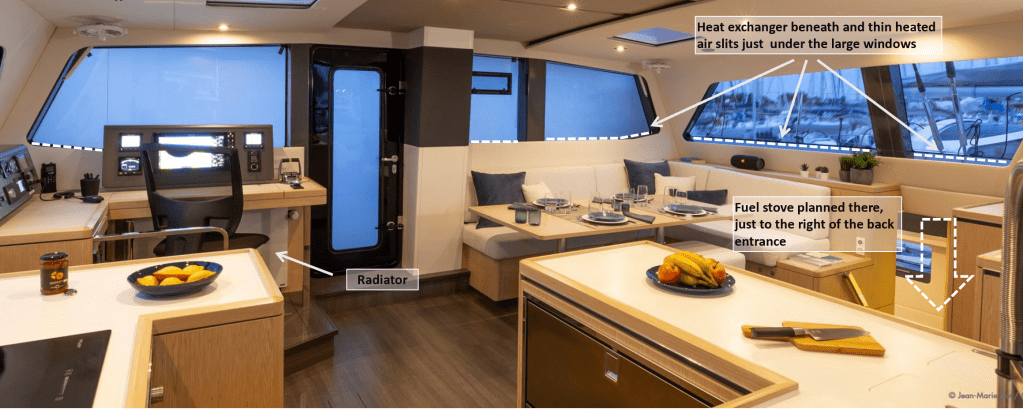
We read about this Arctic expedition sailor, who planned for his next boat to run heated tubes under his living area windows to prevent condensation, but given our layout, we don’t think it’s realistic with heated tubes. Following-up on the same line of thoughts, maybe a heat-exchanger coupled with thin slits just beneath them could deal with the living-area very large windows issue.
Living area windows (way too large, but this is part of the design) are 10-12mm tempered glass.
The front deck hatch is 15mm acrylic, but we’d rather 15mm tempered glass.
For the large living area window, we’d like a thin (say 3-4mm) aluminium storm cover which could be fitted when confronted with a hurricane.
So at the moment, we’re weighing options between double glazed and way too heavy windows and the very thick tempered glass one (circa 10mm) with decent thermal insulation, in which case it would be coupled with air exchanger at their bottom.
The only significant consideration we’d like to share is its highlighting that aluminum is one of the least insulating materials, while Polyurethane is the best. In between, it would validate our choice for a cork-based, over hull, additional insulation layer.
Winter and Northern sailing plans require lots of thinking about thermal efficiency. And since energy is one of the scarce resources on a boat, trying to limit heat loss is as much a priority as producing heat in an efficient way. When Skip Novak goes along with his Pelagic and Pelagic Australis introduction, he insists on the central role played by their fuel stove. But then, there are more than one ways to skin a cat.
In fact, there are different situation to deal with when heating a boat, and Skip’s fuel stove would only be part of the answer:
Heating when plugged to shore power, an easier issue to deal with. For instance we’ve had this Canadian neighbor once, who would be using an electric blanket while wintering in a marina.
Off-the-grid heating, which we’re most interested here: (i) while under sail (ii) while motoring and (iii) while anchoring or docked w/o electricity
Zone heating, to avoid wasting energy on unused areas within the boat.
Most common heating solutions
We choose not to present a reverse air conditioning system because they’re likely to require the use of the generator. So there would be:
Radiator-type heating, like in a house
Forced-air heating, when heated air is ducked throughout the boat
Engine heaters, transforming the engine heat build-up into usable boat heating
Fuel stove, which can be standalone, or connected to a radiator circuit.
Let’s see their main brands and characteristics.
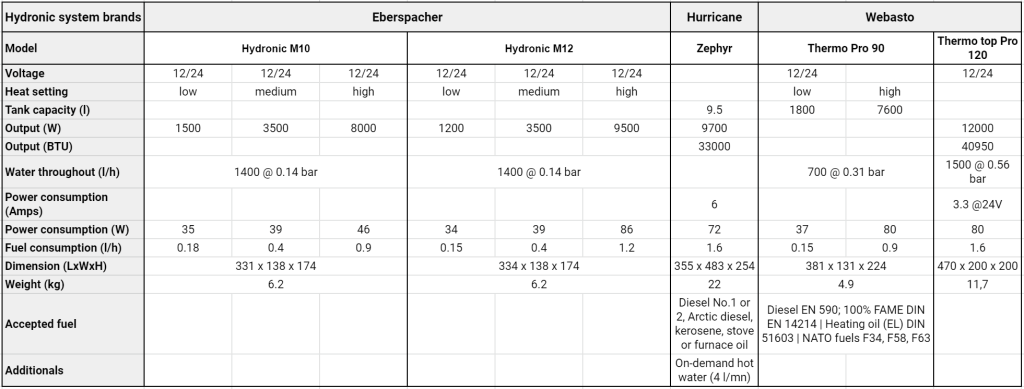
Hydronic heating
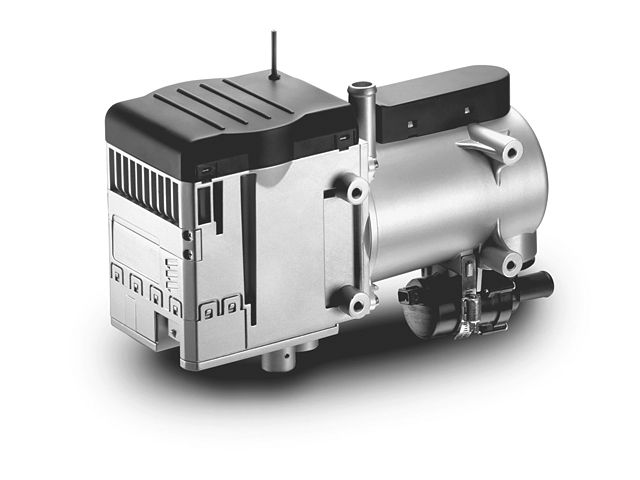
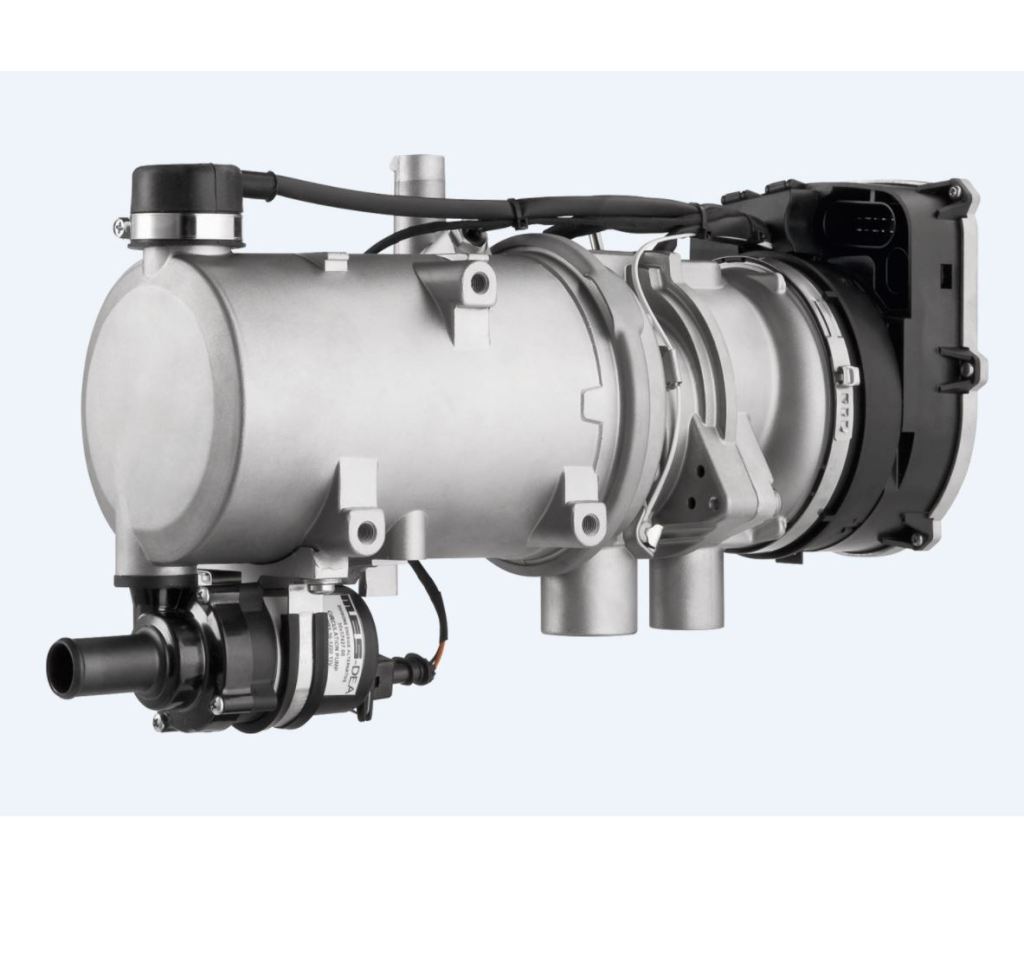
Installation: typically installed in the engine room, it doesn’t require the large holes and tubing associated with forced air ducted systems. It works just like a house hot water heating, with the water running through tubing to classic radiators or blower-type radiators. The boat can be divided into multiple independent heated zones. The system can be integrated with the engine’s cooling, but the engine itself does not need to be running while the heater is in use as hydronic systems would simply use the coolant to disperse heat.
Consumption: Hydronic heaters draw electricity to power the system’s coolant pump, a fan for combustion and a fuel-metering pump. They draw the most power during the starting phase, after which energy demand drops once the boat is warm and the system only has to maintain cabin temperature.
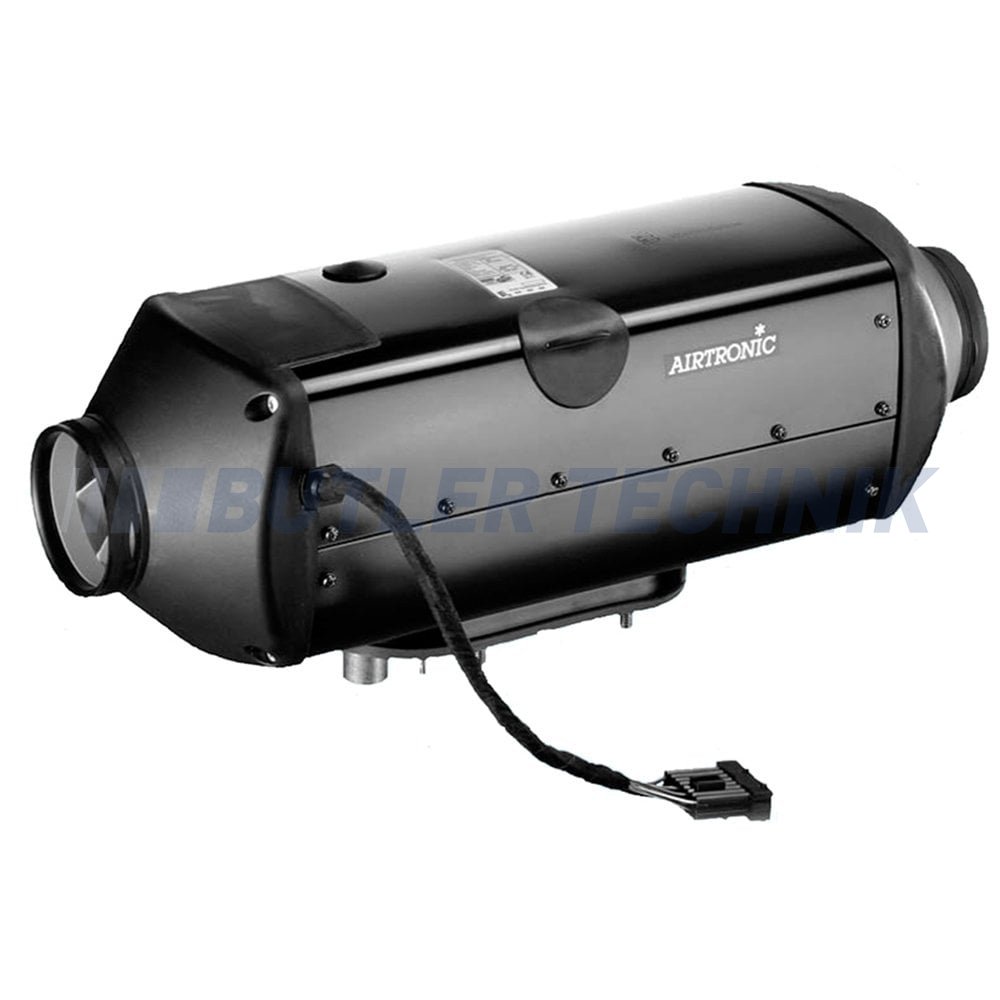
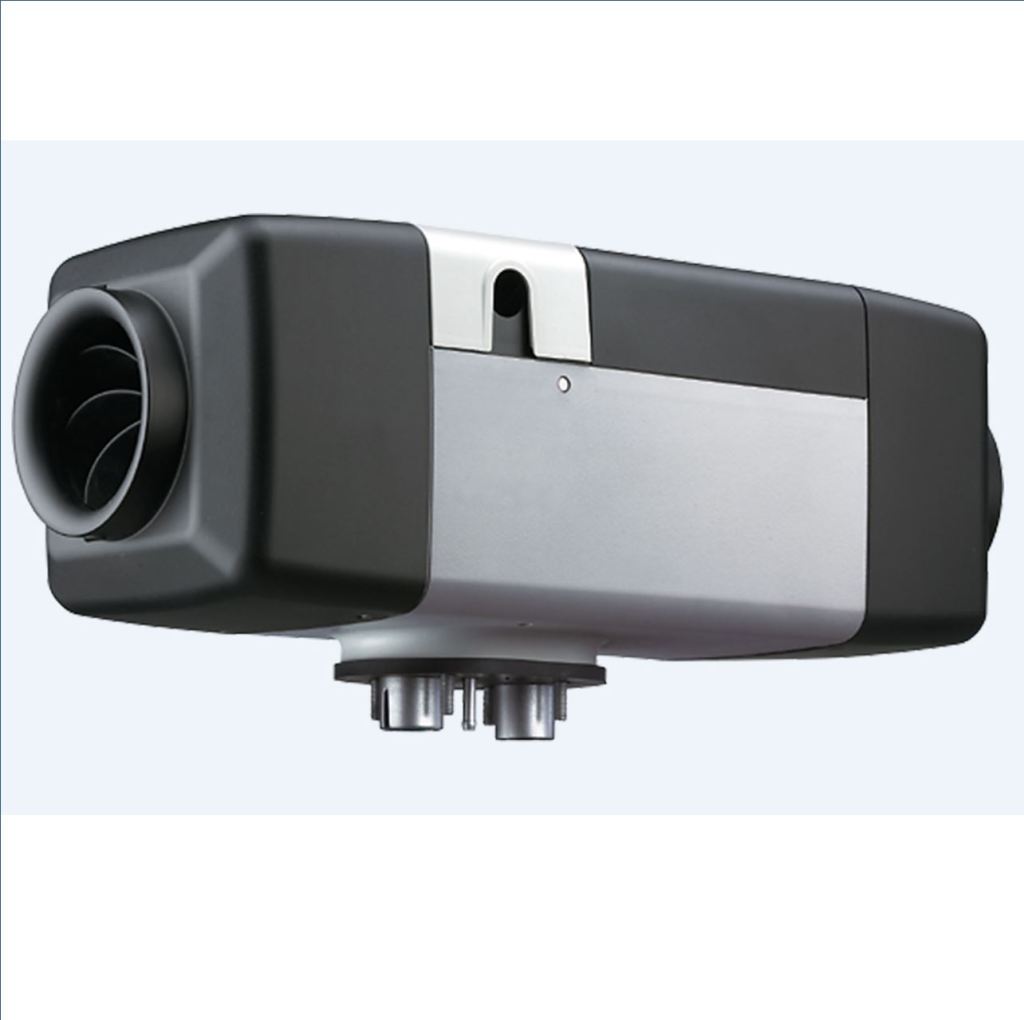
Installation: the heater is usually located in the engine compartment, and a burner will heat air through a heat exchanger, which is forced through behind-panels ducts to vents throughout the boat. The combustion exhaust will usually be directed to the stern to be discharged. This system requires more space as the ducks are larger.
Consumption: ex. Webasto’s Air Top 5500 produced 5,000 to 17,000 BTU/h burning 0.15 to 0.6 l/h of fuel while drawing 1.2 to 8 Ah.
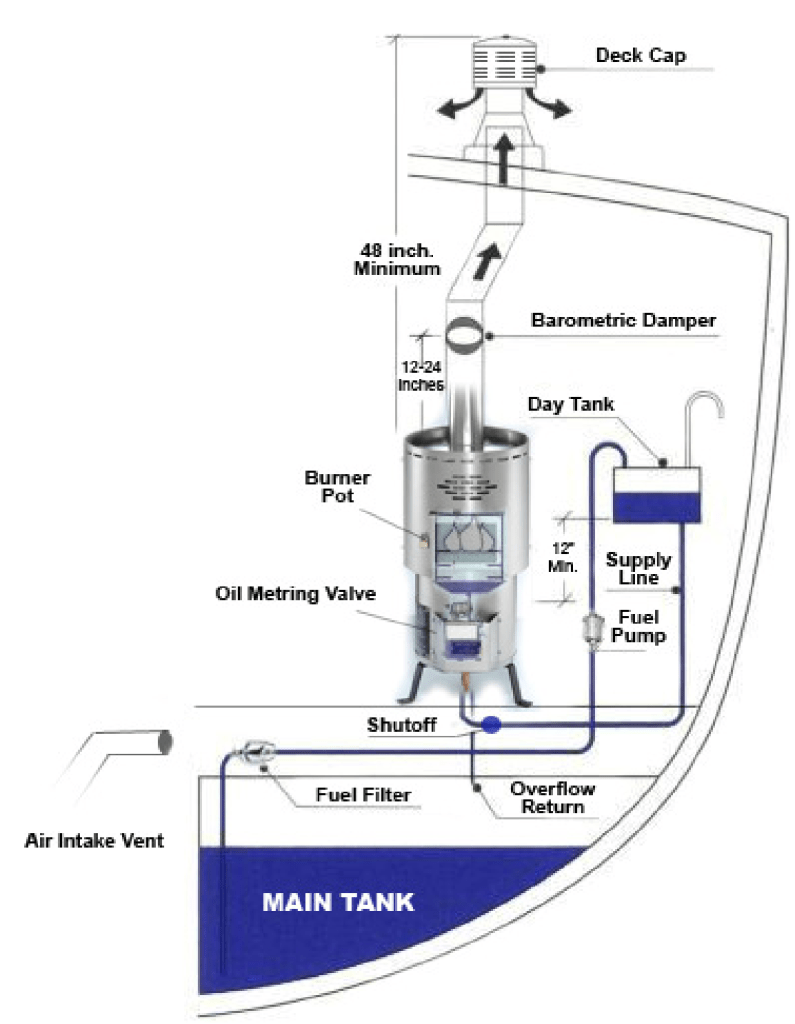
Fuel stove which works with a gravity-fed fuel supply
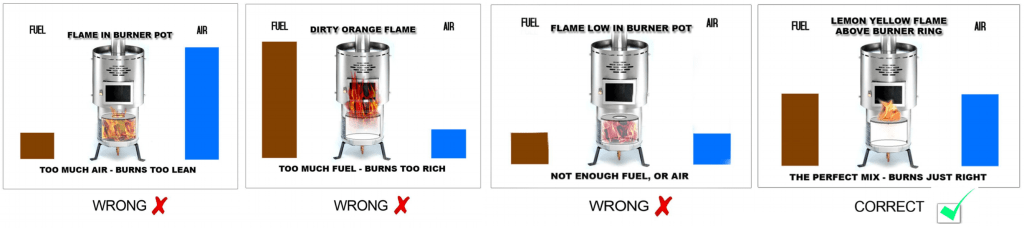
Installation (standalone): a day tank, plumed with valve and filter, is set above the stove, avoiding a pipe to the main fuel tank (or maybe one with a small fuel pump, to be activated whenever needed). And in addition to the exhaust pipe, it is usually a good idea to set a pipe drawing air from the outside, maintaining draft in high wind situation, and preventing the stove from burning all the cabin’s O2.
Installation (radiator-connected): some models will allow their connection to a global heated-water radiator system (see hydronic system above). In this case, some electricity is required to pump the water flow throughout the boat’s radiators.
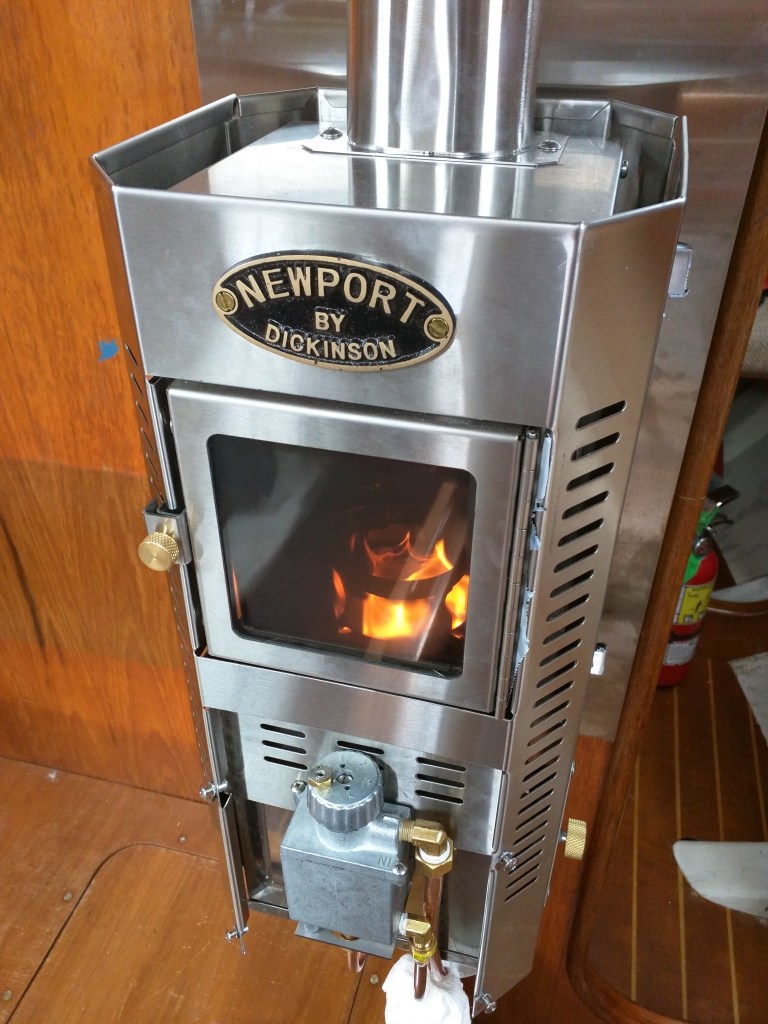
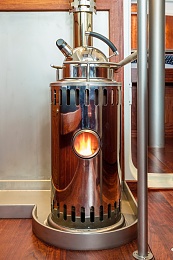
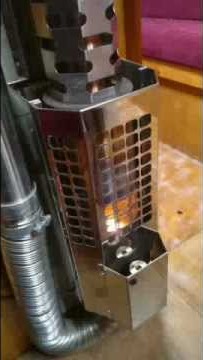
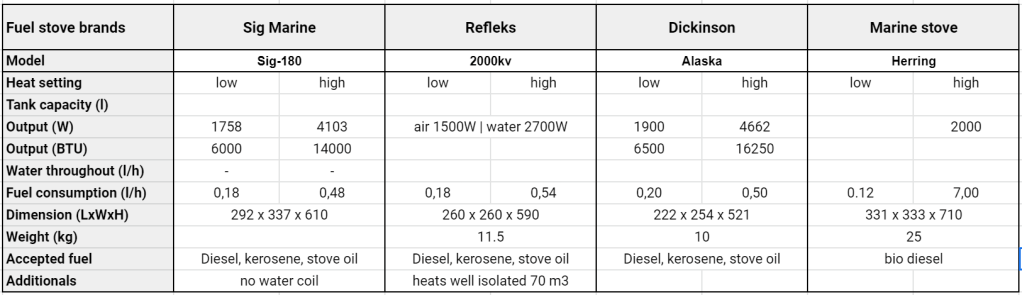
Brands: Sig Marine (Canada), Refleks (Sweden), Marine stove and Dickinson (USA) are the most common brands found on high latitude boats, and there is as well Glembring (Norway) and the Arctic Blue flame project (ex-Norskblueflamme).
Dickinson fuel stove
Refleks fuel stove
Sig Marine fuel stove
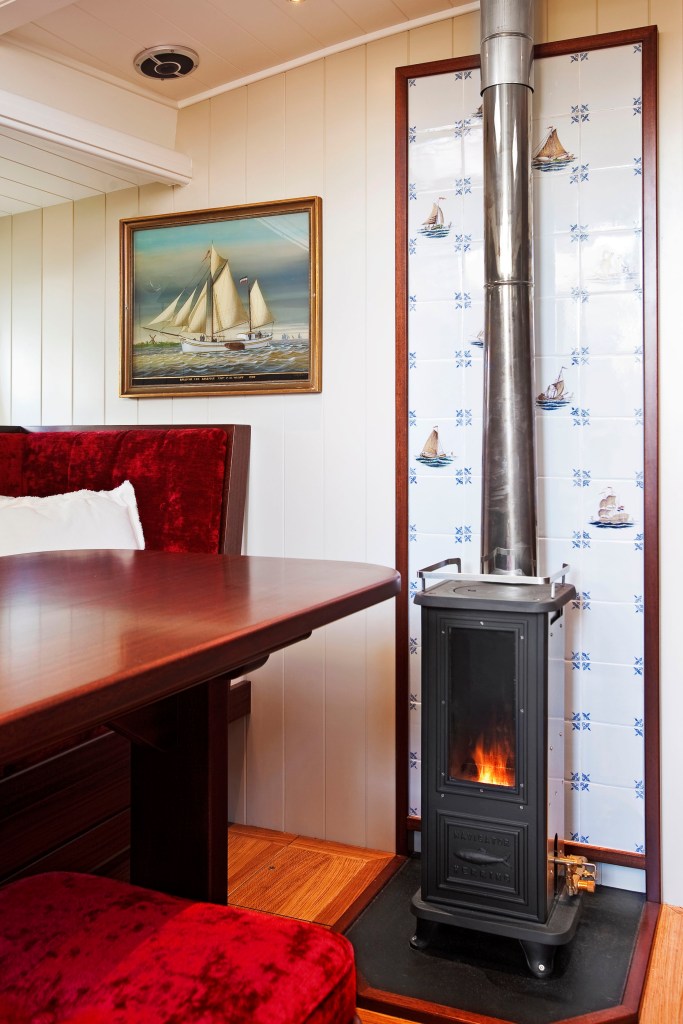
KM Bestevaer s/y Suse – Marine stove “herring” model
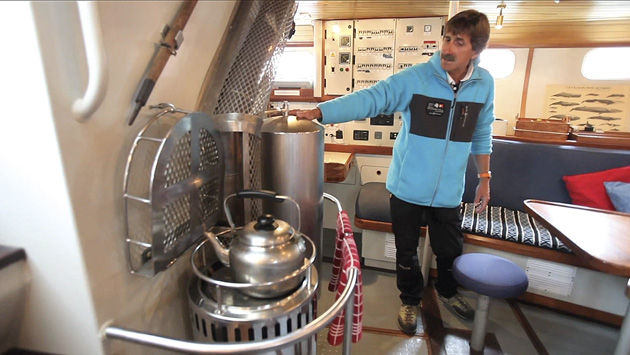
The Refleks stove are fitted in many small Danish commercial north-sea all-seasons fish-boats. They will be the most common in high latitude boats, proposed as a standard options in KM Bestevaer or Boreal range. While many of these high latitude sailor would consider their fuel stove as essential as Skip Novak does, there is a learning curve to prevent smells, smokes, leaks or soot.
The learning curve is steeper than these basic Sig Marine guidelines would suggest, and will include wind condition, fuel quality, tubing installation, etc
From our standpoint, the nice concentrated heat coming out of it, the little flame in the cold, with the additional benefits of keeping a hot kettle on the ready or its cooking ability are priceless. We will definitely try our best to fit one of these in the heating system of the boat. Since we’d like to have it as a backup unit for the main hydronic system, it’s likely to be the Refleks 2000kv, which includes as an option the coiled radiator connection.
Note
Somme Boat Safety Scheme (“the” BSS in the UK for instance) wouldn’t accept to fill the small tank inside the boat. This implies to find way to fill the day tank from the outside, or to connect it to the main tanks, or to install the day tank outside (?).
Engine heaters
Installation: engine manufacturers would propose as an option their own air heater solution, using the engine’s closed-coolant circuit as heating fluid within the heat exchanger. For the rest of it, the installation can mimic the hydronic or forced air.
Consumption: while this is the best solution while motoring, as it doesn’t use any incremental fuel for heating, in any other situation, it’s not economical both in terms of consumption and engine maintenance.
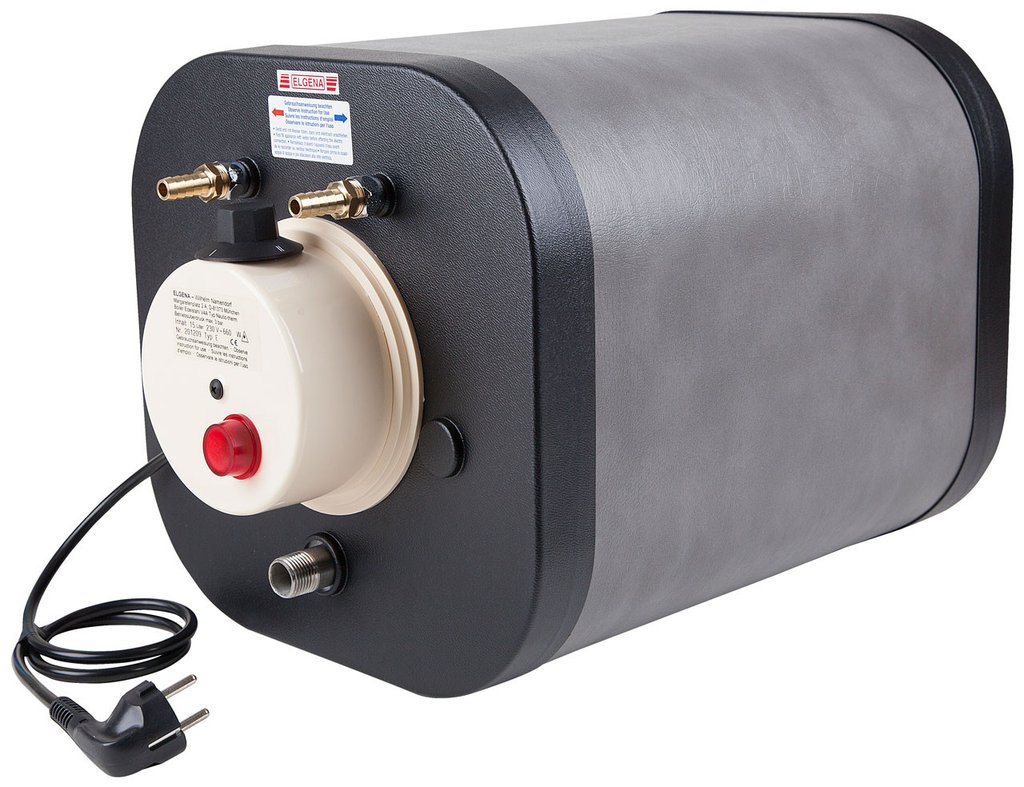
Water boilers can be heated from three different power sources, like with the Elgena range (Germany):
On shore electricity when the boat is connected
On batteries, although this would require multiple energy production sources while off-the-grid.
With the radiator heating circuit
Heated by the engines when motoring
Heated by the hydronic system otherwise
Looking for redundancy
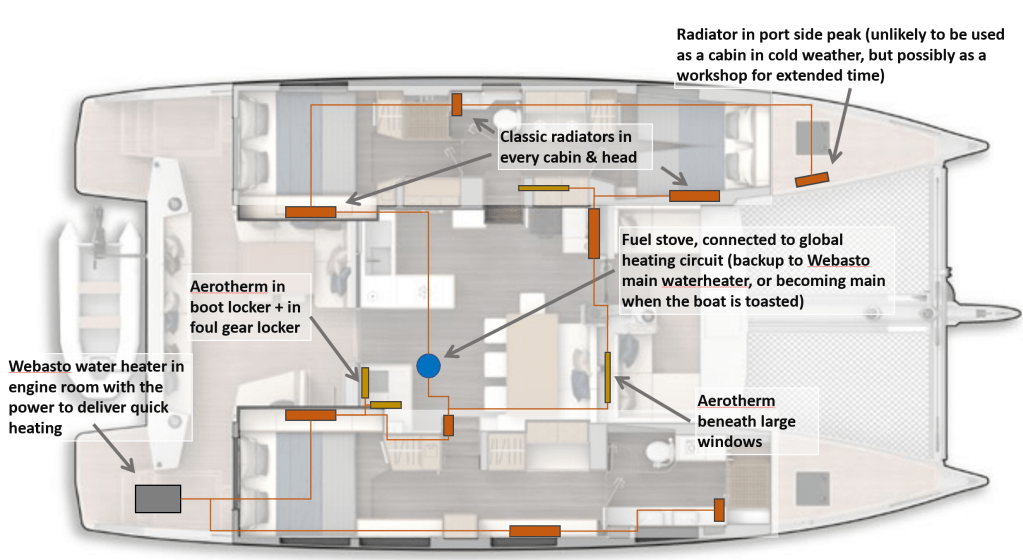
We obviously can’t duplicate every heating system on-board. But the simple fact that two of them can cope with the heating needs in any given situation is expected to do the trick. We plan to use a mix of three different heating sources:
And on top of this, each hull would be fitted with a triple energy 40 l. water heater with a by-pass for the potential failed unit.
Zoning the boat
Based on a heated water circuit with radiators, it is important that we can shut down the heating in areas which are not being used. We can easily think of the following five:
Zone 1: Front port side cabin + head
Zone 2: Back port side cabin + head
Zone 3: Back starboard side cabin and hull space + head
Zone 4: Central living area
Zone 5: Port side peak area — as it would be the workshop in cold, high latitude, journeys, maybe it’s a good idea to make it a usable space whenever needed.
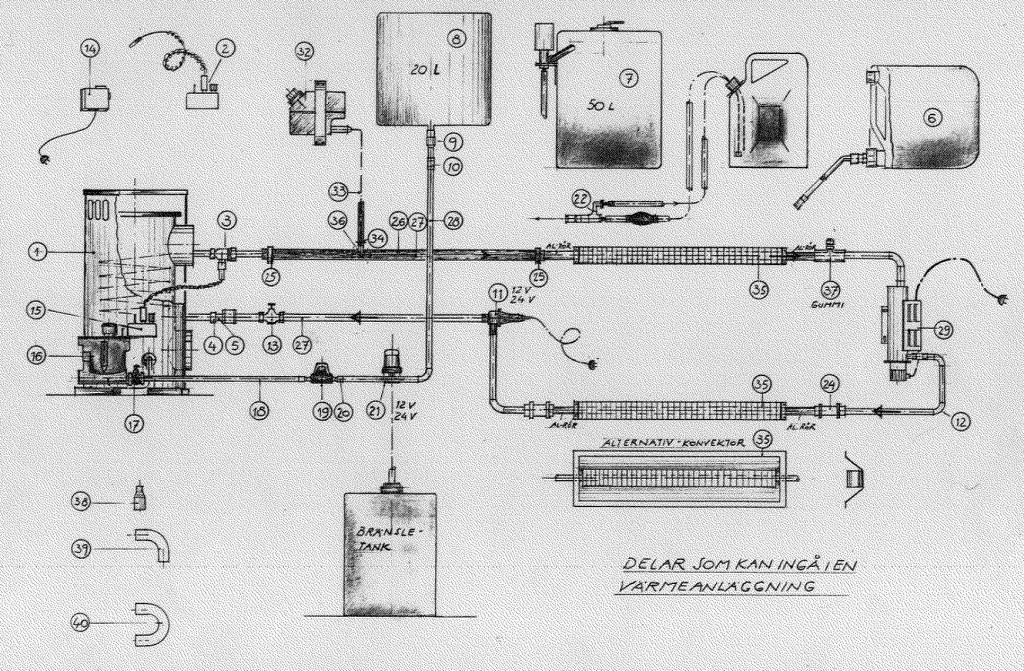
Project heating schematics
Appendix
Sig Marine fuel stove installation schematics
Sig Marine installation schematics
Glembring fuel stove installation schematics
Glembring installation schematics
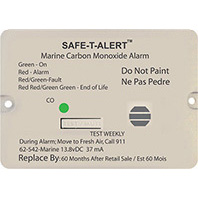
Carbon monoxide (CO) is colorless and odorless, and for this reason, it is recommended to install CO detectors aboard all cruiser with elaborate heating systems and multiple engines. Below one example from MTI industries (UK)
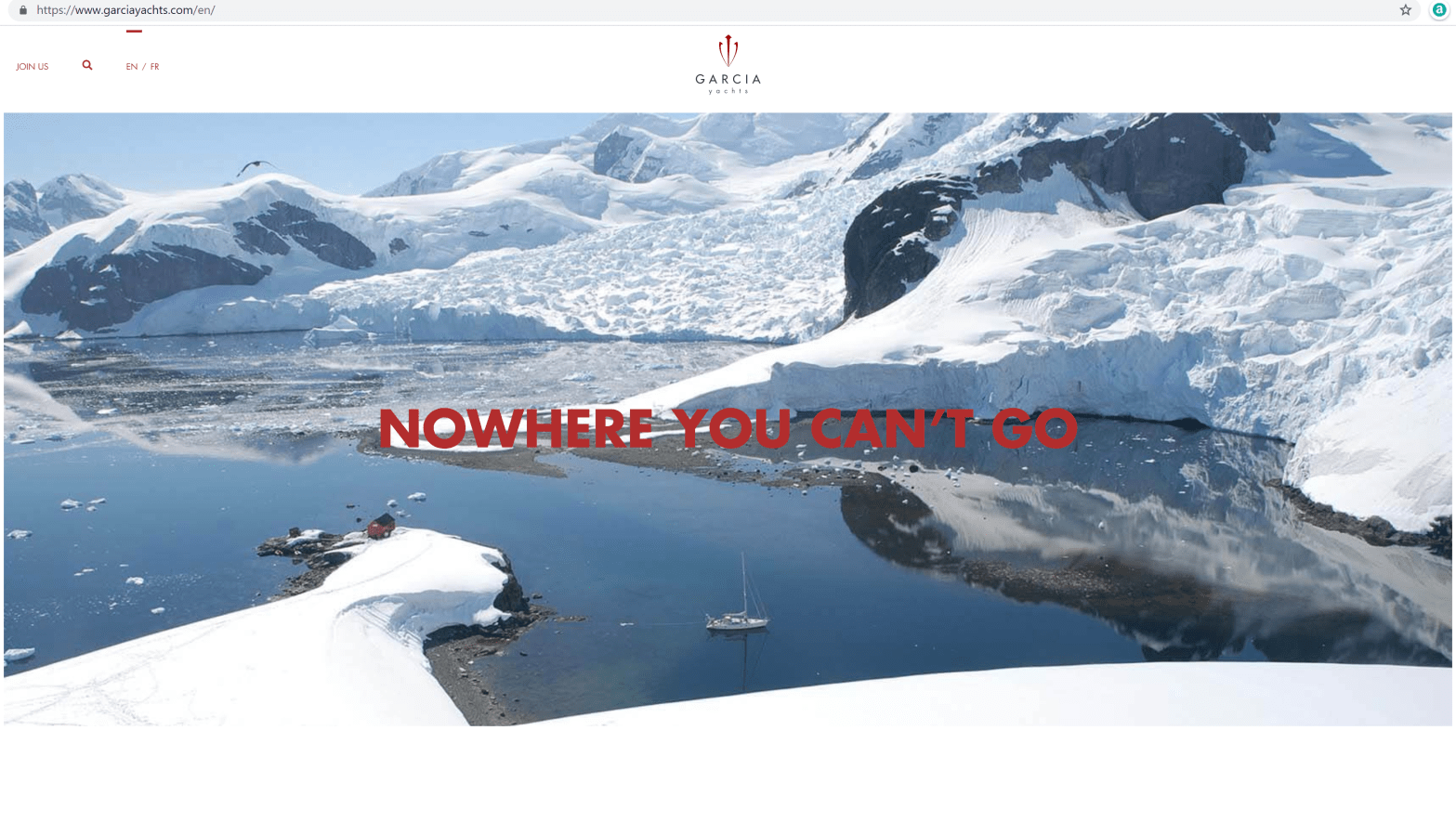
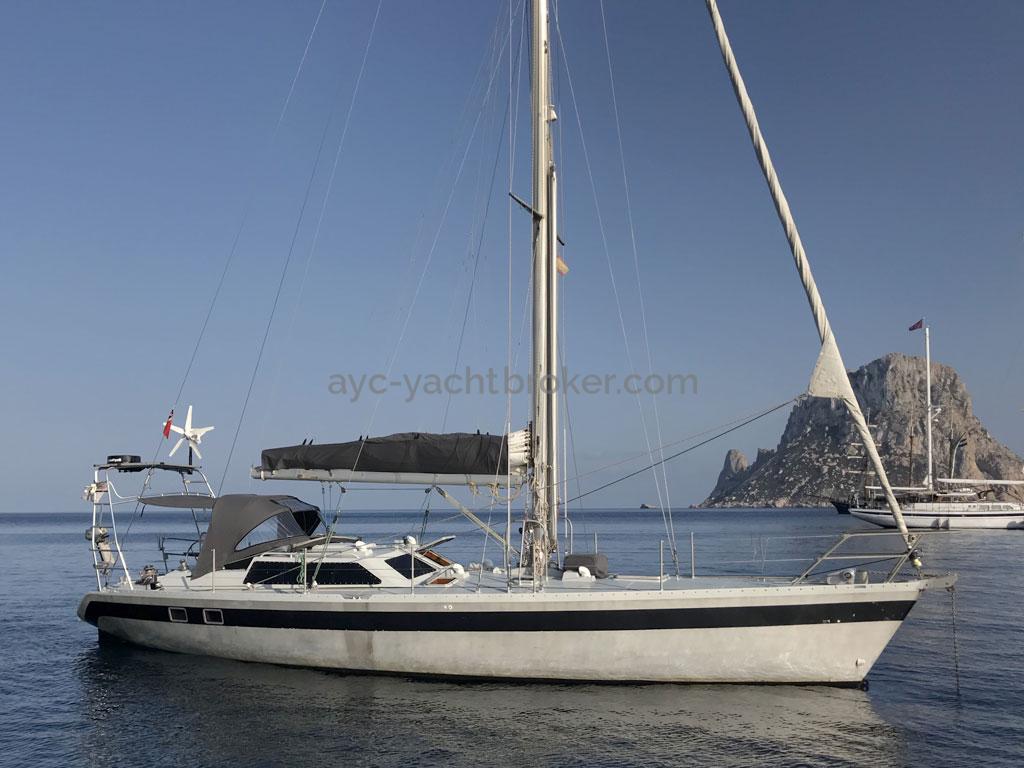
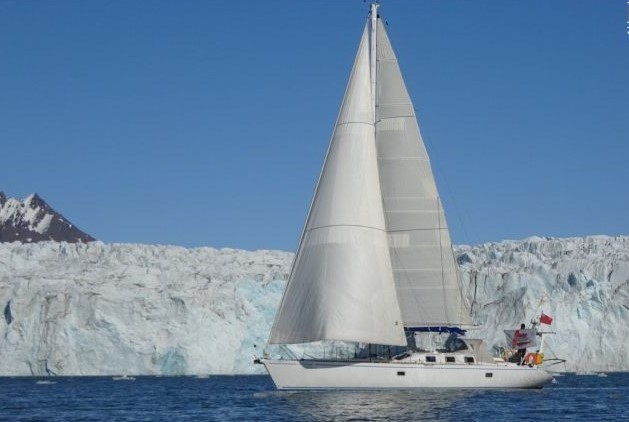
Two brothers, Jean-Pierre and Jean-Louis Garcia, started their venture nearly 50 years ago. Specialized metalworkers at the time, they established in Normandy what would become over the years one of the most famous aluminium sailboat builders. Looking at Garcia’s homepage, with the “Nowhere you can’t go” claim, we know why a photo is worth a 1000 words.
Building a reputation
Based on their initial skills, the yard started with steel hulls, then the most commonly used metal in France. At the time, Netherlands yacht builders were leading the Aluminium hull innovation curve. In the 80s, the brothers initiated a collaboration with the famous french designer Philippe Harlé who started boat design based on this new material.
This industrial partnership has been fruitful all along the 80s under Harlé’s design direction, and after this with his successors in the 90s. Garcia launched during these years many series of successful aluminium sail boats: Maracuja, Nouanni, Passoa, to name just a few famous ones.
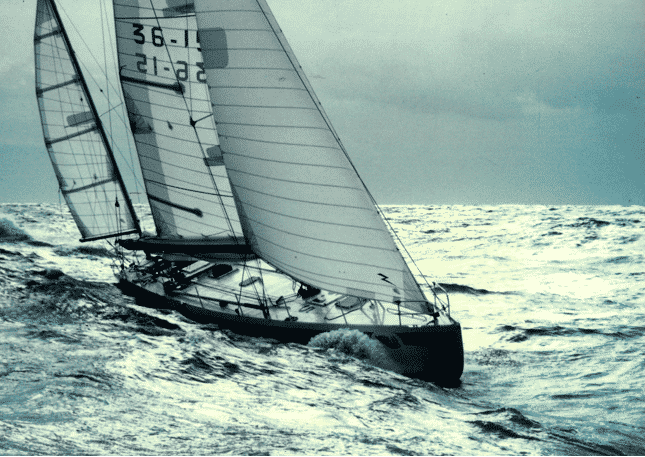
In 1989, Garcia built Harlé-designed IMOCA 60 “3615 MET“, the racing boat on which Jean-Luc Van Den Heede finished third in the first Vendée Globe édition. On top of its excellent industrial reputation, Garcia illustrated its relevance for performance sailing yachts as well.
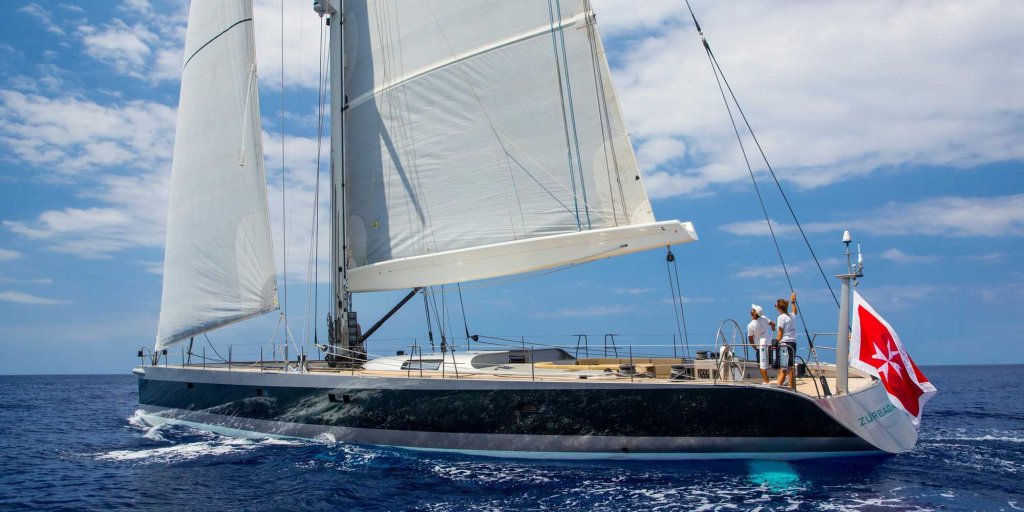
The go-anywhere reputation of Garcia was built during these times, together with the excellence of its metal and layout construction. This is how Garcia evolved in the 2000s toward larger yacht series (Garcia 60CC for instance), or custom one-off superyachts, such as Zurbagan (2007, Gilles Vaton designed 27m).
Garcia 27m Zurbagan (2007)
Leveraging the legacy
2006 saw the launch of the last boat built under the Garcia brothers’ supervision. The ensuing transition period was closed in 2010 when the Garcia yard joined the Grand Large Yachting group (GLY).
Founded in 2003 by two french entrepreneurs, sharing a common passion for sailing GLY group now combines some of the most well known sailing brands:
Allures Yachting, founded in 2003, the initial brick of GLY group, focused on sailing yachts with lifting keels and rounded aluminum hulls topped by a composite deck.
Outremer, created in 1984, the shipyard creates and develops composite catamarans between 45 and 72 feet
GarciaYachts, founded in 1974, joined GLY in 2010. Over 300 Garcia are currently sailing around the world
Gunboat, founded in the US in 2002, gunboat joined GLY in 2016. Performance composite catamarans using the latest race technologies and head-turning design
RM, joined GLY in 2020 – composite and plywood performance monohull boats
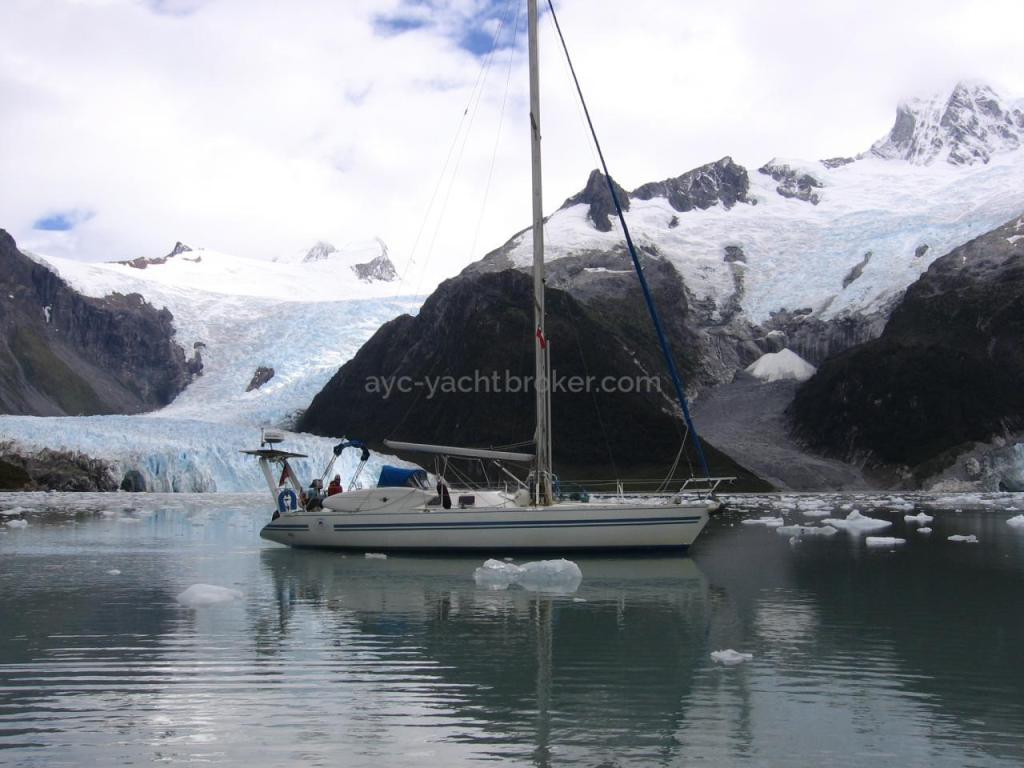
These changes in its organization were the opportunity for Garcia to reinvent itself against its very illustrative claim : “nowhere you can’t go”. And what better illustration than the co-conception of the Exploration 45 with famous sailor Jimmy Cornell?
“I was looking for a sailing boat adapted to a trip that combined sailing at high latitudes and in the tropics, but was unable to find a solution on the market. I finally decided to design a new boat that would come close to being the perfect cruising sailboat. I am very happy to share my enthusiasm with the Garcia Yachts shipyard team, which is one of the world’s best aluminium boat builders.”
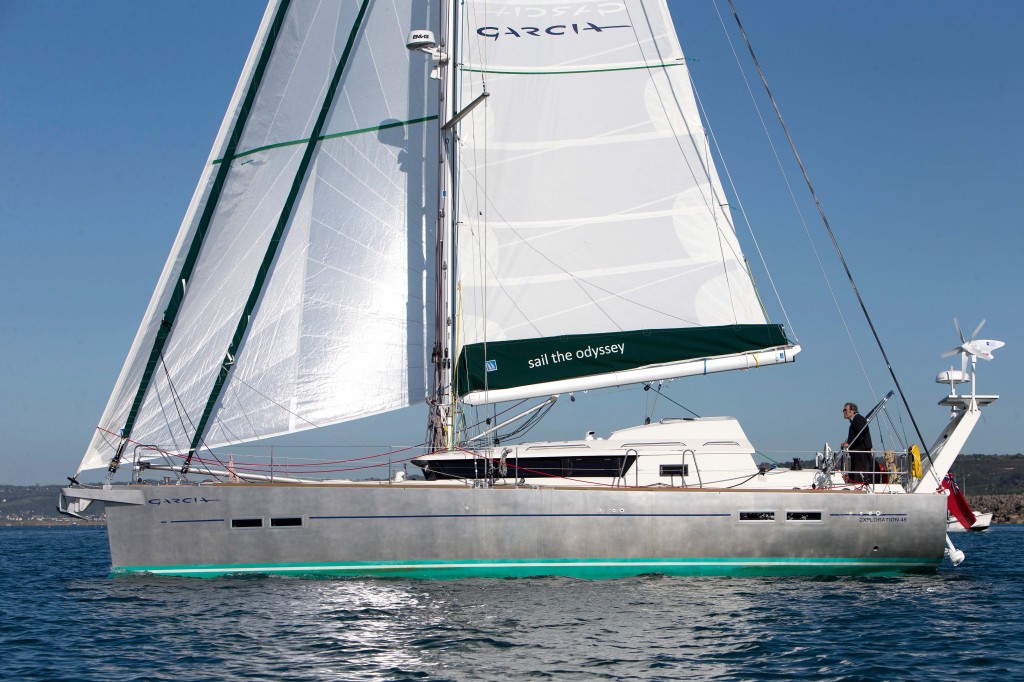
Olivier Racoupeau perfectly designed the Exploration 45 to Cornell’s demanding specifications, including the ambition for the North West passage, which she successfully sailed on her second attempt. The success of the serie not only relies on Garcia’s legacy construction quality but as well on a few specifications which contributed to define some standards for off-beaten-tracks boats:
Raised saloon layout with navigation station facing forward, 270° view.
Given its position, one can stand his watch from the comfort of the navigation station.
Small coach roof in the cockpit for better protection in lively conditions, a popular design aboard Open 60s.
One of the toughest companionway doors that can be seen in cruising boats
Three watertight bulkhead compartments.
Centerboard design (1.05-2.8m draft), retracting completely into the hull/skeg allowing her to dry out with support from the twin rudders
Sacrificial top part element for the rudder blades (a lightweight alloy frame around a foam core)
Chain locker centered at the foot of the mast, improving weight distribution
Aft reels for stowing long mooring lines
Aft locker for the kedge anchor
Granny bars at the bottom of the mast
One can’t look at all the details of this boat without humming Nancy Sinatra’s success “these boots are made for walking” 🙂 All the Exploration 45 specs and detailed descriptions are available on Garcia’s website, but bear in mind that this yard has as well the ability to deal with specific modification a new owner would request, provided it wouldn’t alter its structural and certification design.
The 45 feet has been indeed such a success that Garcia soon initiated the big brother Exploration 52 project. A larger version, obviously, but bearing exactly the same ambition (from ice to tropics) and smart design solutions. The first unit of this new serie was launched in 2016.
In the end of the last decade, two additional projects were confirmed, feeding the demand for Garcia’s unique mix of safety, toughness and comfort in all conditions and sailing areas:
Exploration 60 – Giving credit to its success in all seas, she is the largest version of the Exploration series, fitting into a way larger hull all of Cornell’s original DNA, with of course the addition of more recent technology and comfort. The 1rst unit is due for launch in 2021.
Explocat 52 – A two hull version of the exploration series, launched in 2020. It looks simple, introduced this way, but going from one to two hulls adds a level of complexity and new challenges which very few other boat yards could tackle, based on a long track record both of Aluminium and long range construction.
In 2019, like the many other sailors he inspired, we fantasied Jimmy Cornell’s same desire to sail in remote, and potentially high latitude places. It seem this is when Garcia’s development plans and ours luckily mixed their paths.
While the Exploration 52 was definitely on the short list, would the Explocat 52 catamaran be the unicorn coping both with our present sailing culture, and our high latitude and long range requirements?
In high demand for answers, this is when we got in touch with Garcia’s spear bizdev VP, Cyrille Corlay, hoping for a meeting at the end-of-year Paris boat show. We were in nov. 2019, and the world was on the verge of stopping its spinning around.





















 70th parallel