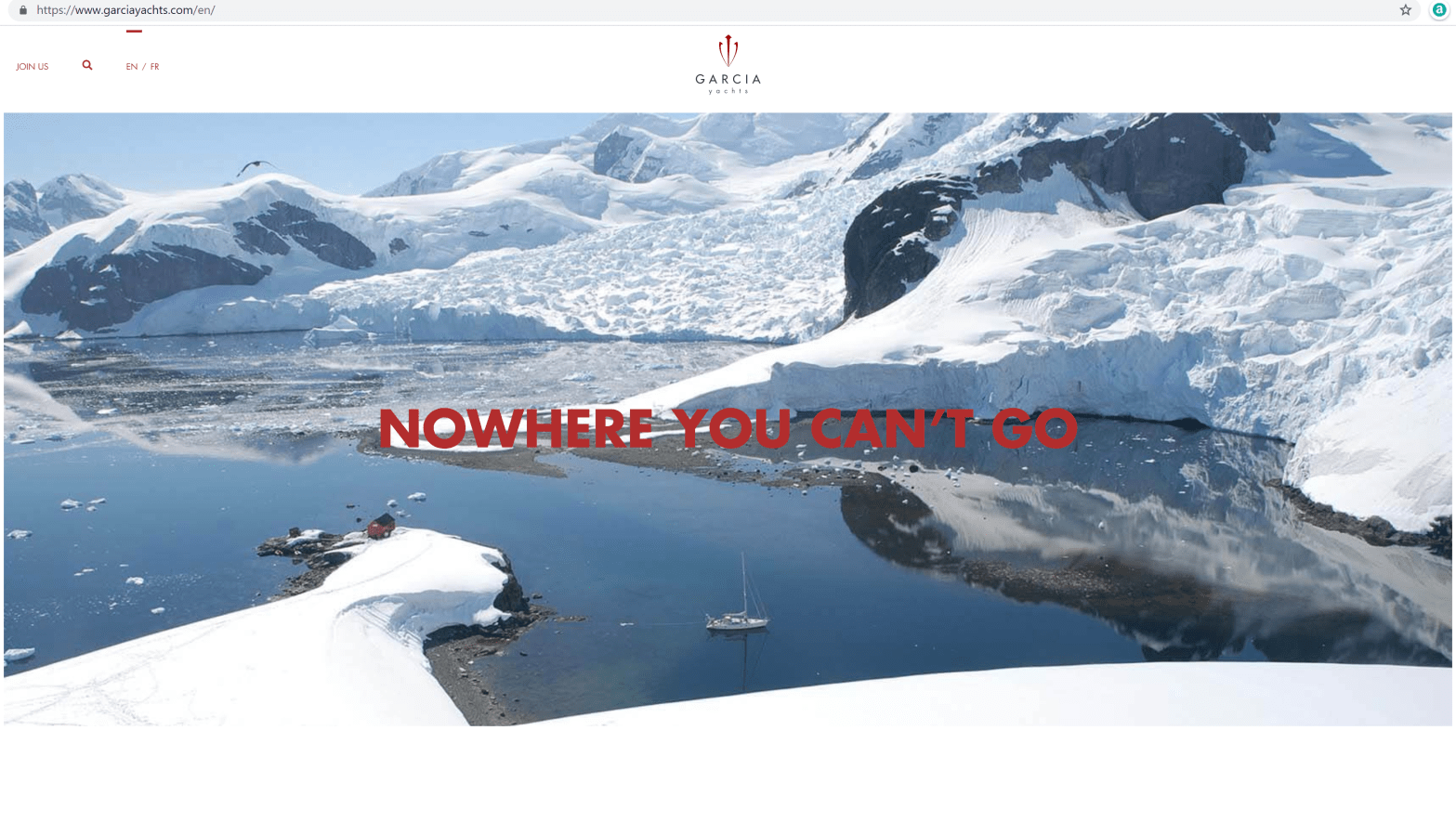
Two brothers, Jean-Pierre and Jean-Louis Garcia, started their venture nearly 50 years ago. Specialized metalworkers at the time, they established in Normandy what would become over the years one of the most famous aluminium sailboat builders. Looking at Garcia’s homepage, with the “Nowhere you can’t go” claim, we know why a photo is worth a 1000 words.
Building a reputation
Based on their initial skills, the yard started with steel hulls, then the most commonly used metal in France. At the time, Netherlands yacht builders were leading the Aluminium hull innovation curve. In the 80s, the brothers initiated a collaboration with the famous french designer Philippe Harlé who started boat design based on this new material.
This industrial partnership has been fruitful all along the 80s under Harlé’s design direction, and after this with his successors in the 90s. Garcia launched during these years many series of successful aluminium sail boats: Maracuja, Nouanni, Passoa, to name just a few famous ones.
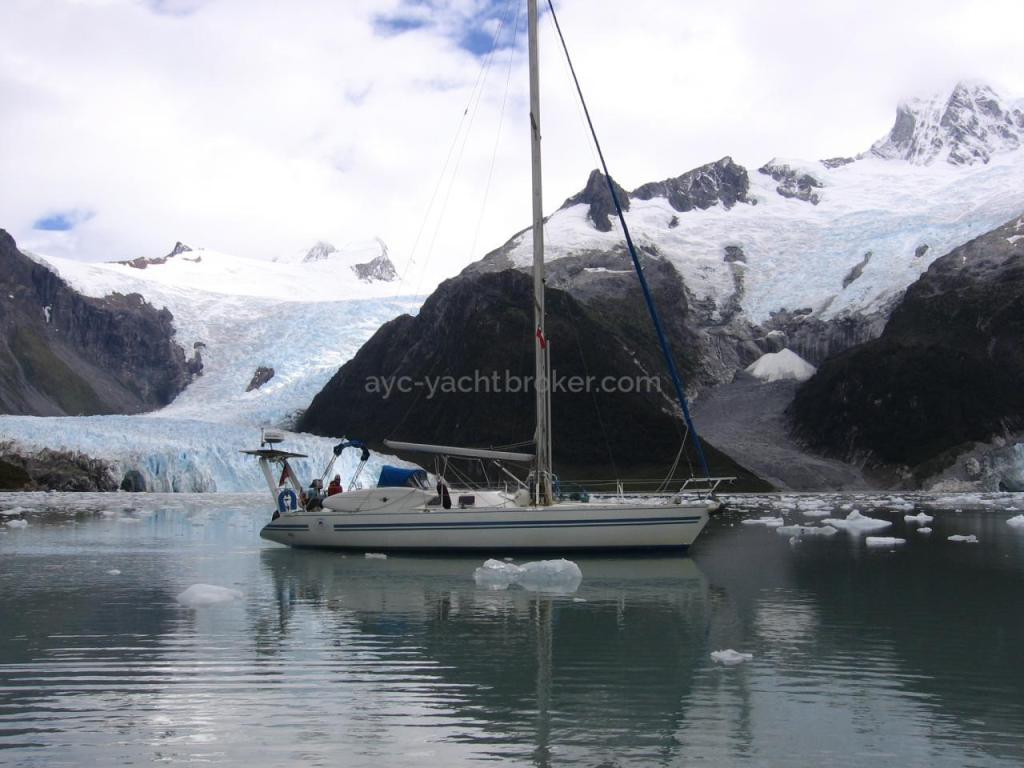
1993 Maracuja for sale with AYC
Garcia Maracuja
- Design Philippe Harlé
- Built from 1982-1992
- LOA 11,2m
- LWL 10,2m
- Beam 4.18m
- Draft 0.95-2.35m
- Light displ. 13t.
- Upwind sail 89sqm
Garcia Nouanni
- Design Philippe Harlé
- Built from 1984-1988
- LOA 13,7m
- LWL 11,6m
- Beam 4.31m
- Light displ. 12t.
- Upwind sail 102sqm
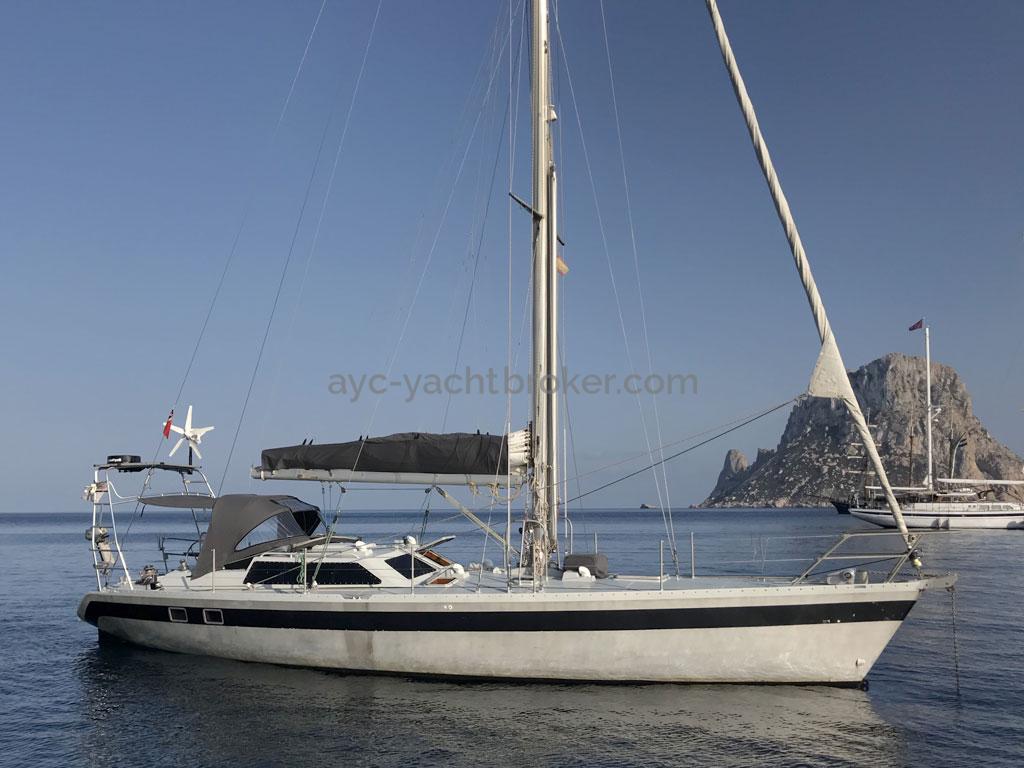
1985 Nouanni for sale with AYC
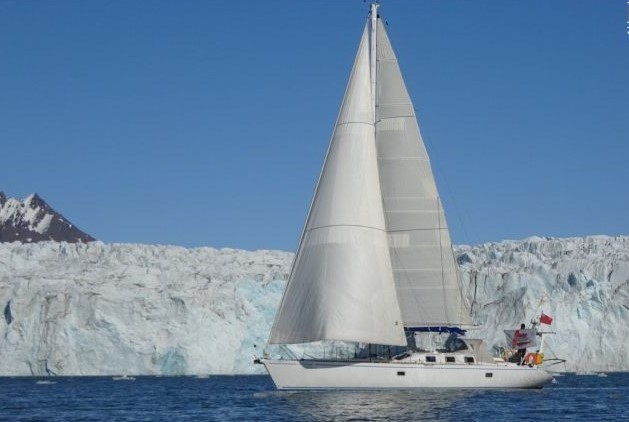
1999 Passoa 47 for sale with De Valk
Garcia Passoa 47
- Design Mortain & Mavrikios
- LOA 13,95m
- LWL 11,6m
- Beam 4.3m
- Draft 1.1-2.5m
- Light displ. 16t.
In 1989, Garcia built Harlé-designed IMOCA 60 “3615 MET“, the racing boat on which Jean-Luc Van Den Heede finished third in the first Vendée Globe édition. On top of its excellent industrial reputation, Garcia illustrated its relevance for performance sailing yachts as well.
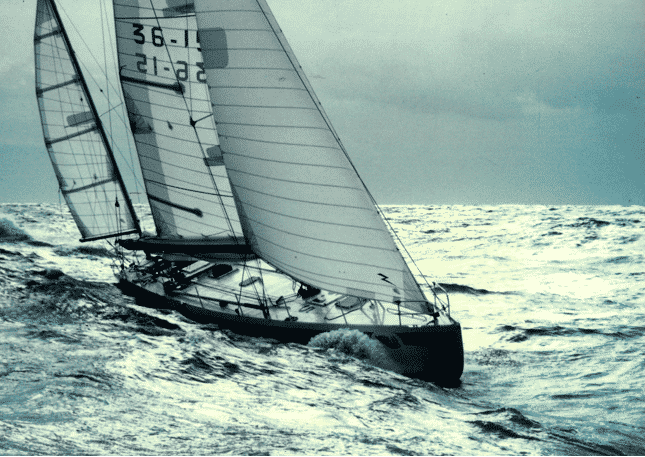
IMOCA 60 ‘3615 MET’ | ©Garcia
The go-anywhere reputation of Garcia was built during these times, together with the excellence of its metal and layout construction. This is how Garcia evolved in the 2000s toward larger yacht series (Garcia 60CC for instance), or custom one-off superyachts, such as Zurbagan (2007, Gilles Vaton designed 27m).
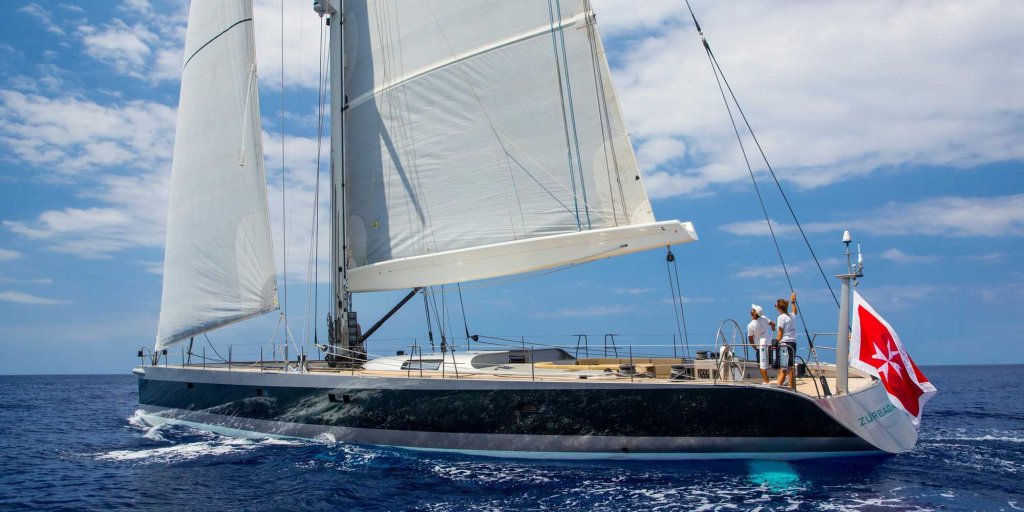
Garcia 27m Zurbagan (2007)
Leveraging the legacy
2006 saw the launch of the last boat built under the Garcia brothers’ supervision. The ensuing transition period was closed in 2010 when the Garcia yard joined the Grand Large Yachting group (GLY).
Founded in 2003 by two french entrepreneurs, sharing a common passion for sailing GLY group now combines some of the most well known sailing brands:
- Allures Yachting, founded in 2003, the initial brick of GLY group, focused on sailing yachts with lifting keels and rounded aluminum hulls topped by a composite deck.
- Outremer, created in 1984, the shipyard creates and develops composite catamarans between 45 and 72 feet
- Garcia Yachts, founded in 1974, joined GLY in 2010. Over 300 Garcia are currently sailing around the world
- Gunboat, founded in the US in 2002, gunboat joined GLY in 2016. Performance composite catamarans using the latest race technologies and head-turning design
- RM, joined GLY in 2020 – composite and plywood performance monohull boats
These changes in its organization were the opportunity for Garcia to reinvent itself against its very illustrative claim : “nowhere you can’t go”. And what better illustration than the co-conception of the Exploration 45 with famous sailor Jimmy Cornell?
“I was looking for a sailing boat adapted to a trip that combined sailing at high latitudes and in the tropics, but was unable to find a solution on the market. I finally decided to design a new boat that would come close to being the perfect cruising sailboat. I am very happy to share my enthusiasm with the Garcia Yachts shipyard team, which is one of the world’s best aluminium boat builders.”
Jimmy Cornell, with Garcia
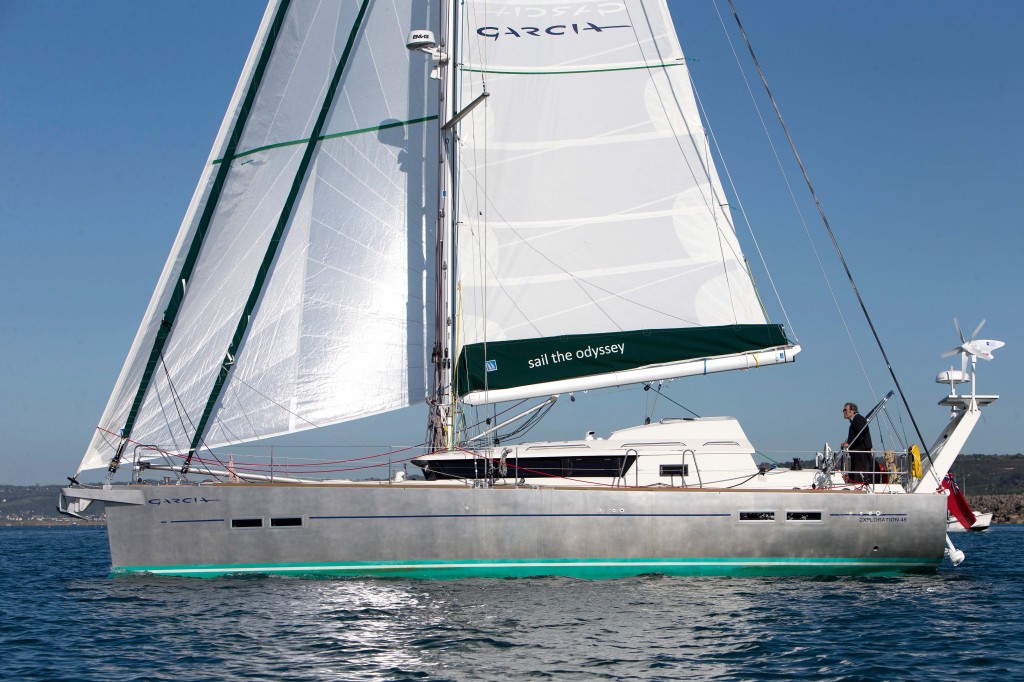
Olivier Racoupeau perfectly designed the Exploration 45 to Cornell’s demanding specifications, including the ambition for the North West passage, which she successfully sailed on her second attempt. The success of the serie not only relies on Garcia’s legacy construction quality but as well on a few specifications which contributed to define some standards for off-beaten-tracks boats:
- Raised saloon layout with navigation station facing forward, 270° view.
- Given its position, one can stand his watch from the comfort of the navigation station.
- Small coach roof in the cockpit for better protection in lively conditions, a popular design aboard Open 60s.
- One of the toughest companionway doors that can be seen in cruising boats
- Three watertight bulkhead compartments.
- Centerboard design (1.05-2.8m draft), retracting completely into the hull/skeg allowing her to dry out with support from the twin rudders
- Sacrificial top part element for the rudder blades (a lightweight alloy frame around a foam core)
- Chain locker centered at the foot of the mast, improving weight distribution
- Aft reels for stowing long mooring lines
- Aft locker for the kedge anchor
- Granny bars at the bottom of the mast
One can’t look at all the details of this boat without humming Nancy Sinatra’s success “these boots are made for walking” 🙂 All the Exploration 45 specs and detailed descriptions are available on Garcia’s website, but bear in mind that this yard has as well the ability to deal with specific modification a new owner would request, provided it wouldn’t alter its structural and certification design.
The 45 feet has been indeed such a success that Garcia soon initiated the big brother Exploration 52 project. A larger version, obviously, but bearing exactly the same ambition (from ice to tropics) and smart design solutions. The first unit of this new serie was launched in 2016.
In the end of the last decade, two additional projects were confirmed, feeding the demand for Garcia’s unique mix of safety, toughness and comfort in all conditions and sailing areas:
- Exploration 60 – Giving credit to its success in all seas, she is the largest version of the Exploration series, fitting into a way larger hull all of Cornell’s original DNA, with of course the addition of more recent technology and comfort. The 1rst unit is due for launch in 2021.
- Explocat 52 – A two hull version of the exploration series, launched in 2020. It looks simple, introduced this way, but going from one to two hulls adds a level of complexity and new challenges which very few other boat yards could tackle, based on a long track record both of Aluminium and long range construction.
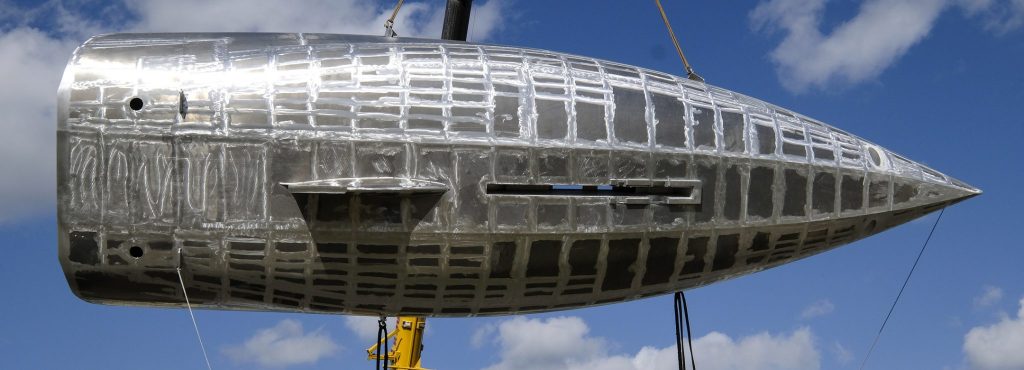
Garcia Exploration 60 – Unit #1 | ©Garcia 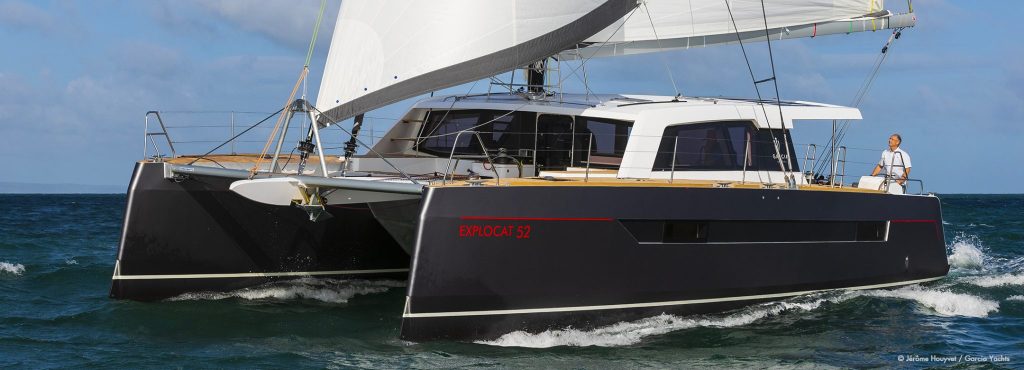
Garcia Explocat 52 – Unit #1 | ©Garcia / Jérôme Houyvet
In 2019, like the many other sailors he inspired, we fantasied Jimmy Cornell’s same desire to sail in remote, and potentially high latitude places. It seem this is when Garcia’s development plans and ours luckily mixed their paths.
While the Exploration 52 was definitely on the short list, would the Explocat 52 catamaran be the unicorn coping both with our present sailing culture, and our high latitude and long range requirements?
In high demand for answers, this is when we got in touch with Garcia’s spear bizdev VP, Cyrille Corlay, hoping for a meeting at the end-of-year Paris boat show. We were in nov. 2019, and the world was on the verge of stopping its spinning around.
 70th parallel