It’s obvious that off-beaten-tracks will come along any high latitude sailing plan. Although there seem to be places where every sailor going after this sort of adventure would gather (Ushuaia in the South, Reykjavik in the North for instance), at some point the anchoring will be in uncharted territory.
Grounding or hitting a rock on a slow approach, increasing the probability of hitting a floating object under full speed in a rough sea, that’s a prospect any ocean offshore sailor dread, knowing that being on alert is only part of the solution.
Over the last two decades, over a thousand containers were lost at sea on a yearly average, according to a 2020 BIFA survey. While most will drown, there is still the odd chance of hitting the floating exception. And containers are only a small part of the offshore UFOs (F standing for Floating). Although it is not widely advertised by the sailing community, both leisure and competition, many UFO encounters are related to “ship-strike”, aka whale collision.
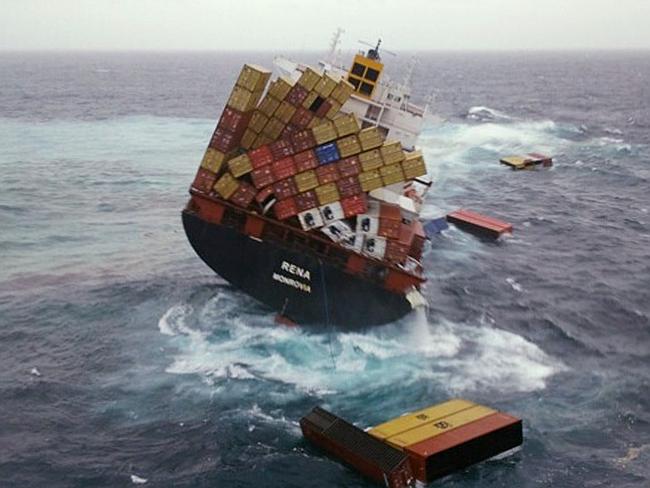
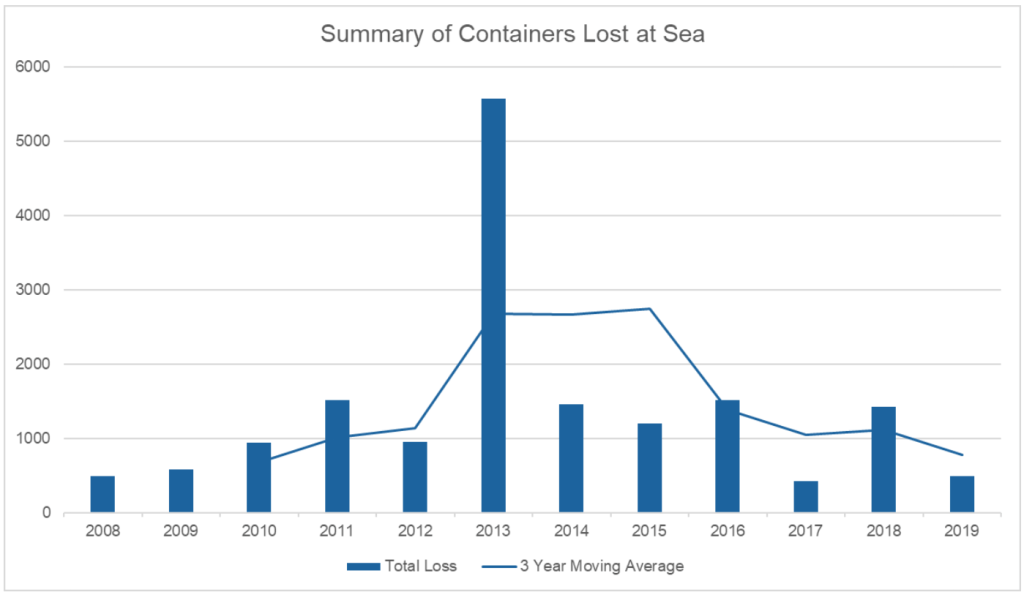
“Responding to the dramatic increase in the loss of containers at sea in the past year, the Maritime Safety Committee of the International Maritime Organization discussed the issue at its recent meeting. Agreeing that the loss of containers at sea represents a potential danger to maritime safety and is a threat to the environment, the IMO’s MSC took initial actions focusing on detecting and reporting lost containers. The IMO said that it will also work to address efforts to prevent the loss of containers and restore confidence in container shipping practices. (May 18th 2021)”
IMO Safety Committee Addresses Reporting for Containers Lost at Sea
In any hypothesis, all high latitude sailing stories will value a strong and/or extra reinforced boat, equally made to resist ice abrasion, the occasional grounding while looking for a poorly charted protected anchorage, and finally the potential UFO.
At this early stage, we focused on the boat structure and construction material. We’ll cover the systems recently designed to ease the mind of offshore and off-beaten track sailors. Tremendous progress occurred with forward scan technology over the last few years, and lowered costs for these systems finally puts them in the “potential” list. Let us just mention here two startup initiatives: the seatrack box project and the Oscar system, which was fitted on 18 of the 33 boats aligned on the 2020 Vendée Globe starting line.
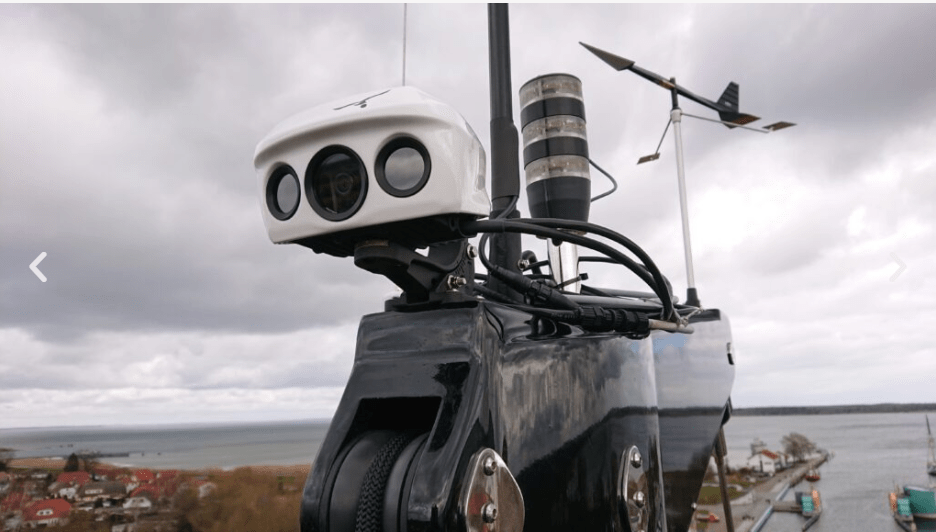
“OSCAR combines optical sensors and artificial intelligence to detect floating objects on your course. OSCAR automatically assesses the risk of collision in real time and warns you of any potential danger. OSCAR significantly enhances your safety and that of your crew.”
Oscar Company
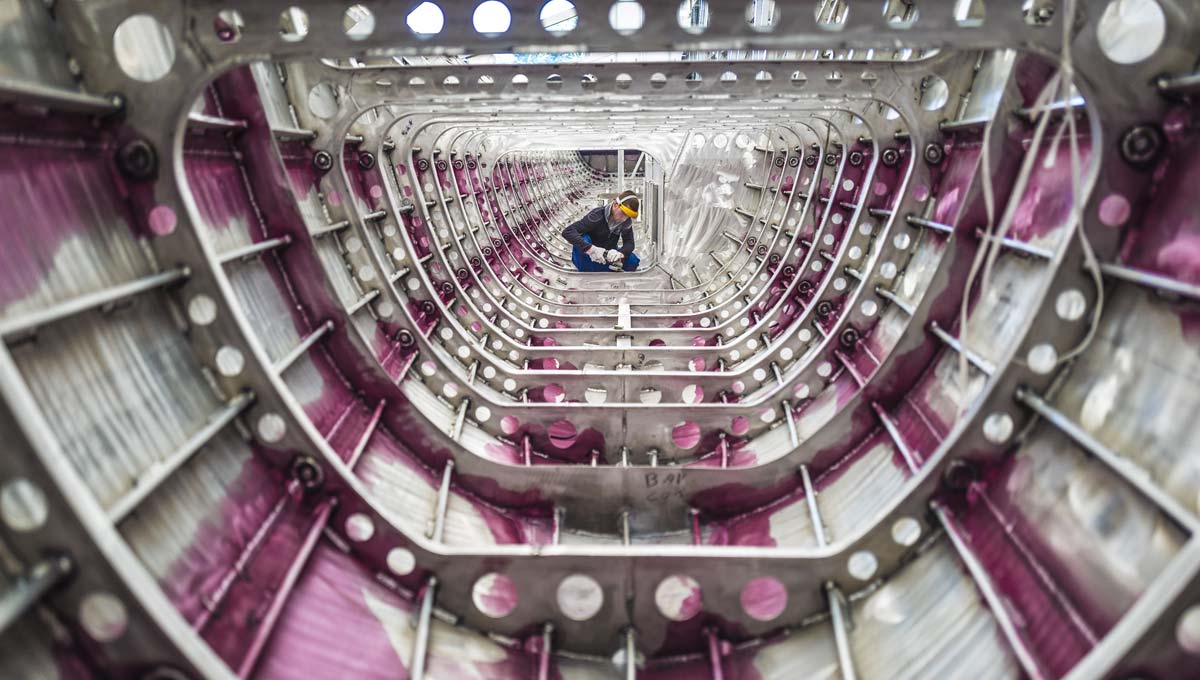
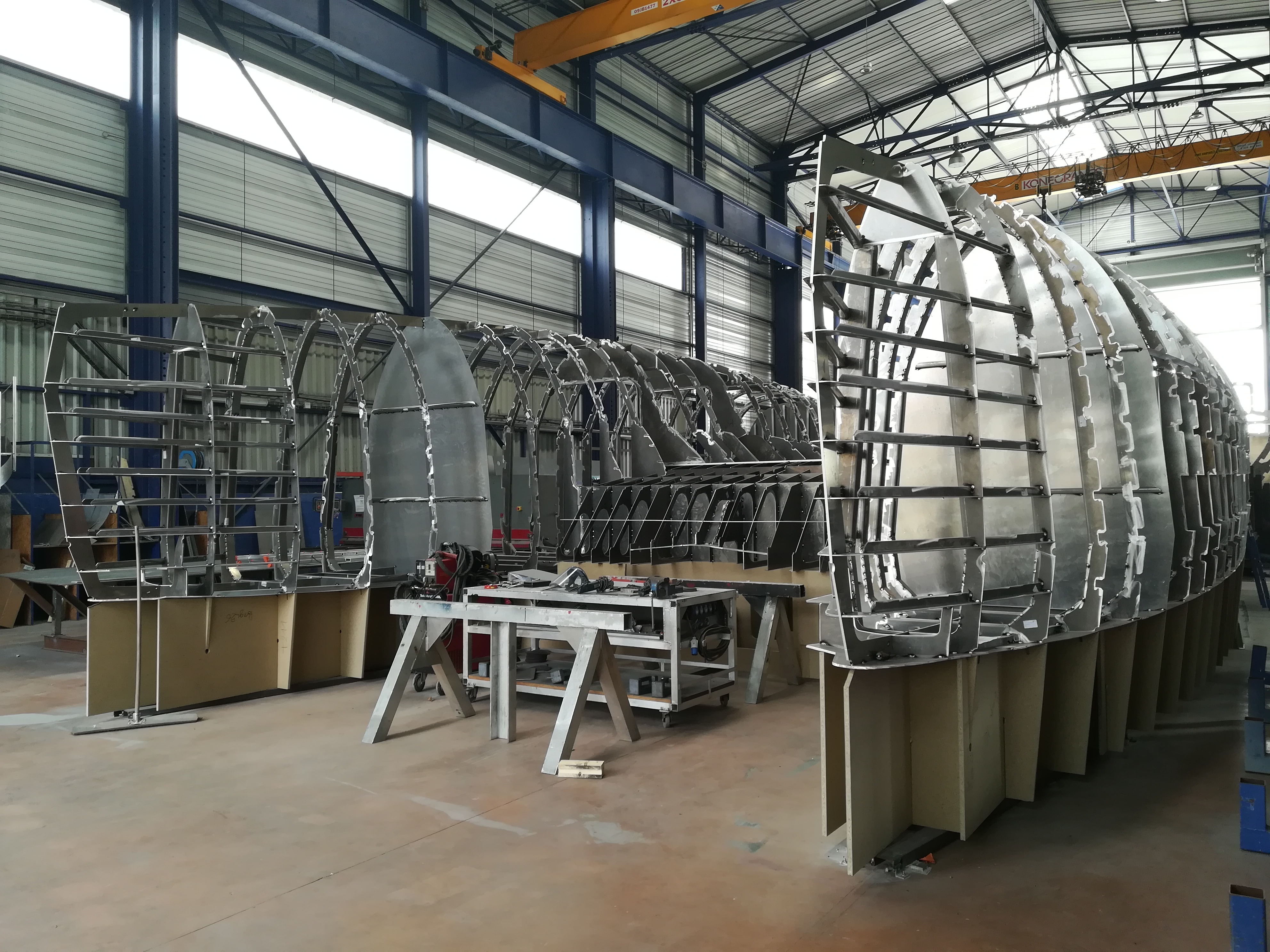
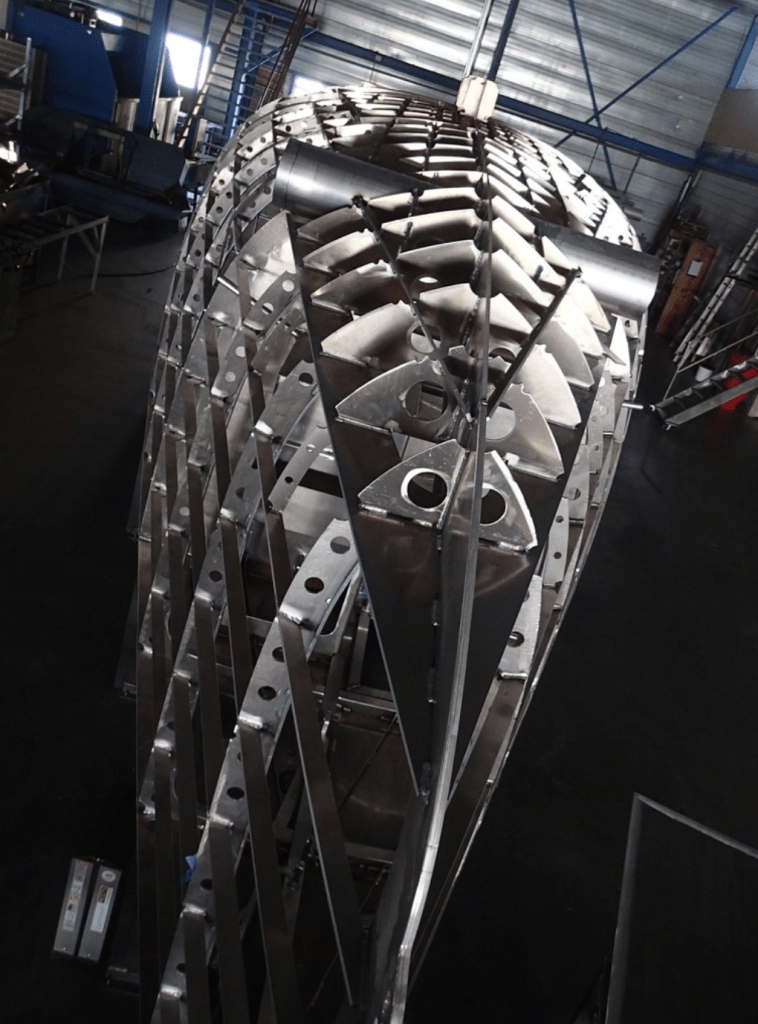
We wouldn’t have definitive statistics there, but surely metal boats are the majority, and as far as recent leisure and adventure sailing is concerned, Aluminium construction stands out.
No consensus comes out of reading informed opinions about what rugged means for a boat. For most, “rugged” seems to be another word for “heavy”, while some will point out that boat conception, construction quality and choice of material will matter just as much.
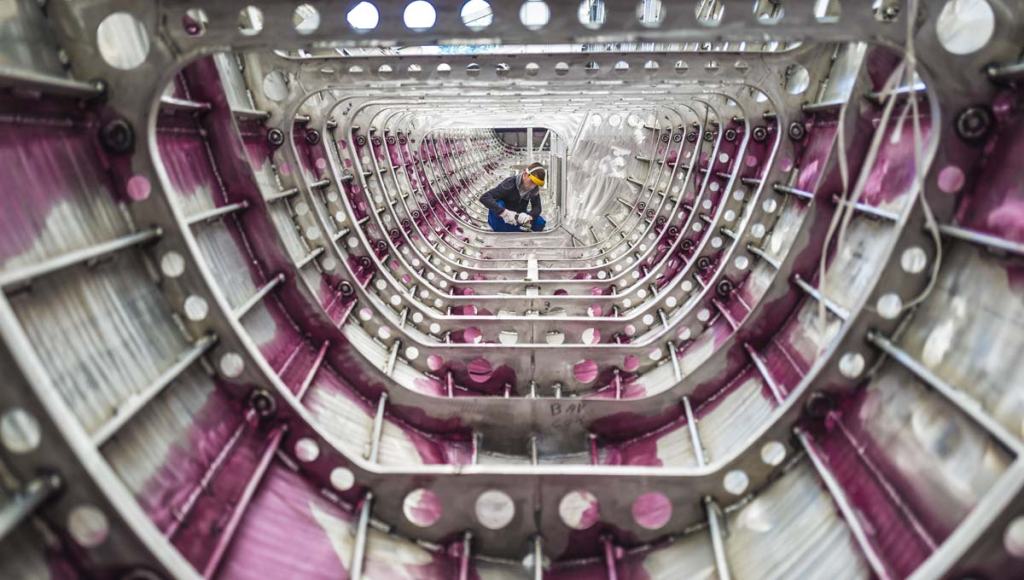
JFA – World class metal builder reference 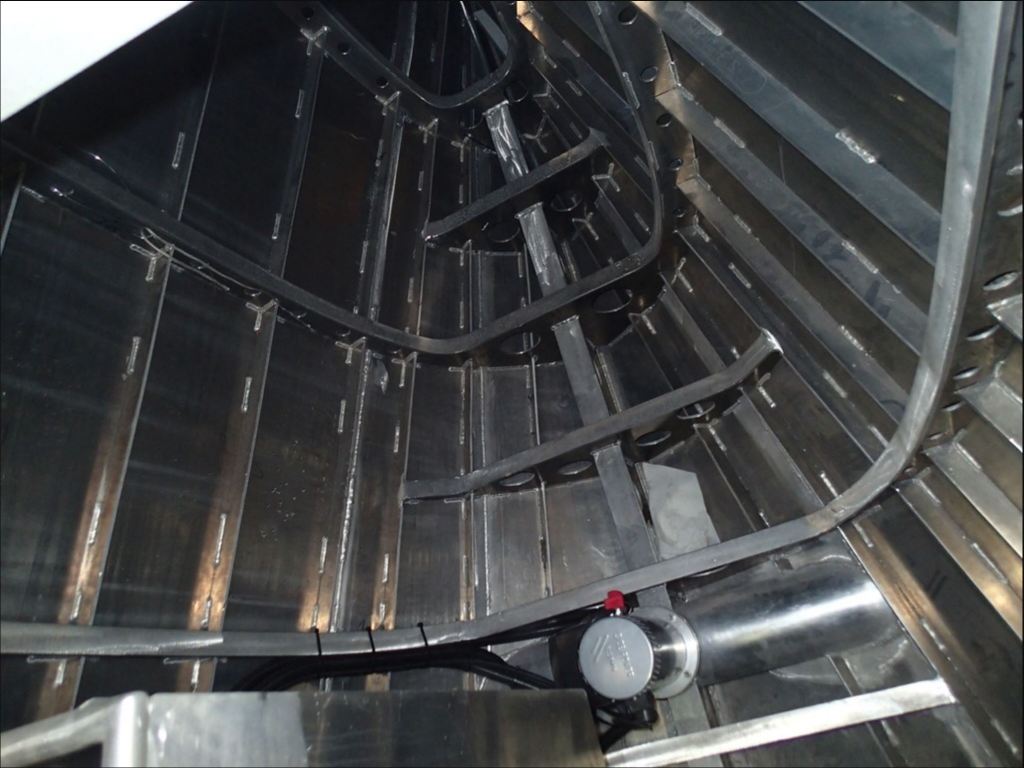
KM Bestevaer 53 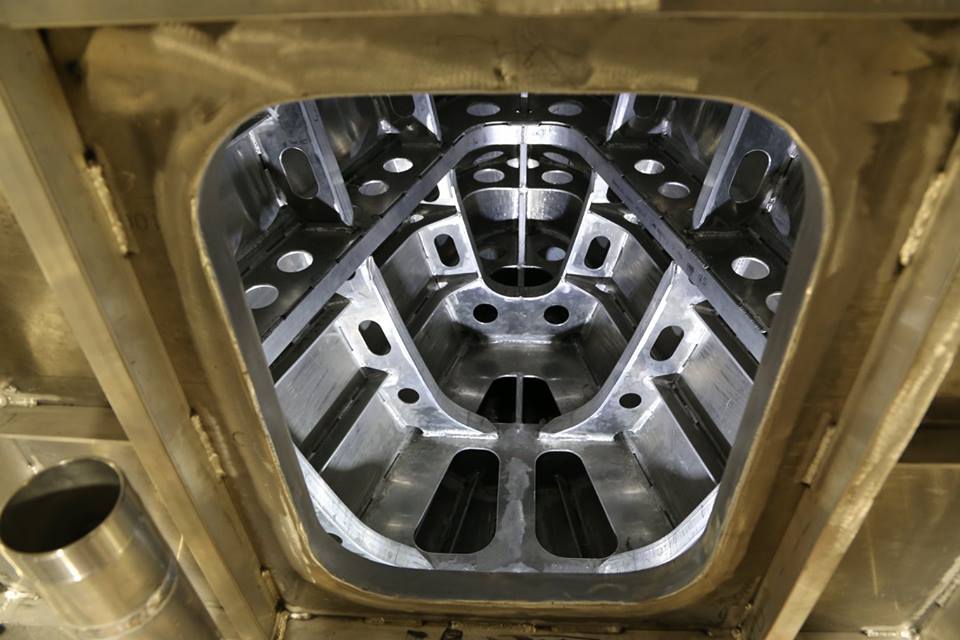
KM custom made s/y Qilak
While a watertight bulkhead and/or crash box is the minimal requirement, and most sailing boats over 40 feet would include this design feature, serious high latitude sailor value 2 or 3 watertight compartments. A water-tight engine room is another valued feature.
And then there is the ice. Boats designed to overwinter on ice are a very rare breed, and their specifics make them less than ideal for other type of sailing. This is not our plan anyway. But we do imagine the possibility of staying in places where small bergs and maybe thin icing would happen, such as Norway or Iceland in winter. Pushing down the Drake is another question, and that would depend entirely on the conditions at the time. Based on the ice forecast, we’d be looking for up to 3/10th cautious sailing capability, either high North or South.
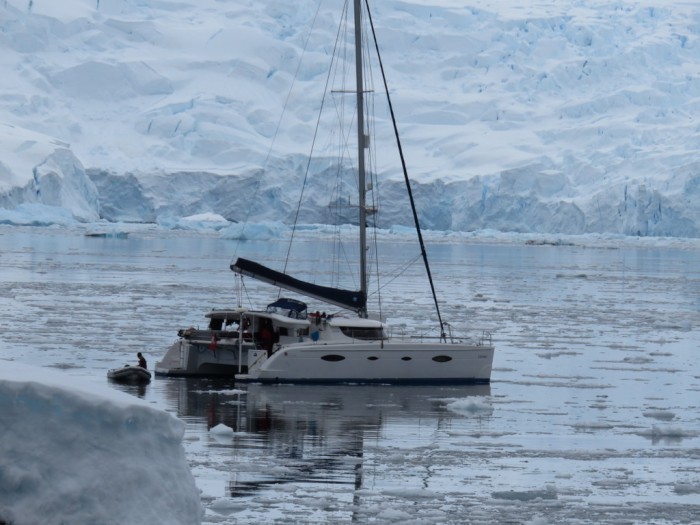
Fontaine Pageot Salina 48 “Libellule” in the high North
Just so that everyone understands the issue here, there has been the dreadful accident of “Anahita” in 2018, an “ice prepared” Ovni 345 built by Alubat. Disregarding the Canadian Coast Guard warning on persistent ice that summer, its crew apparently tried to force its way into Bellot Straight ending in the tragic loss of their boat – they were rescued after some dreadful hours in the cold.
“Under the pressure of the ice and current of Bellot Strait, the “Anahita” then ruptured and began leaking resulting in sinking. The crew, two Argentines, had to flee to the drifting sea ice floes. However, they still managed to drop an emergency call and activate the epirb of the boat. It sent just long enough for the Canadian SAR in Trenton Ontario station to start a rescue operation.”
“CCGS Larsen helicopter picked two stranded individuals off ice floe and they appeared unharmed. The conditions were rather heavy fog with little wind. They had spent 11 hours on the ice floe and they were lucky no Polar Bears spotted them.”
Daria Blackwell – 29/08/2018
When thinking of boat sturdiness, we don’t limit ourselves to the potential bergy or UFO crashing, and the hull peak reinforcement. There is as well the possibility to hit the bottom and damage the rudder system. Some yacht builders have this in mind while designing their boat. In these exemple, we can see a reinforced bearing system (left), and an aluminium rudder which includes a diagonal pre-define GRP breaking point (right), both on the Garcia Exploration range (©no-frills-sailing.com).
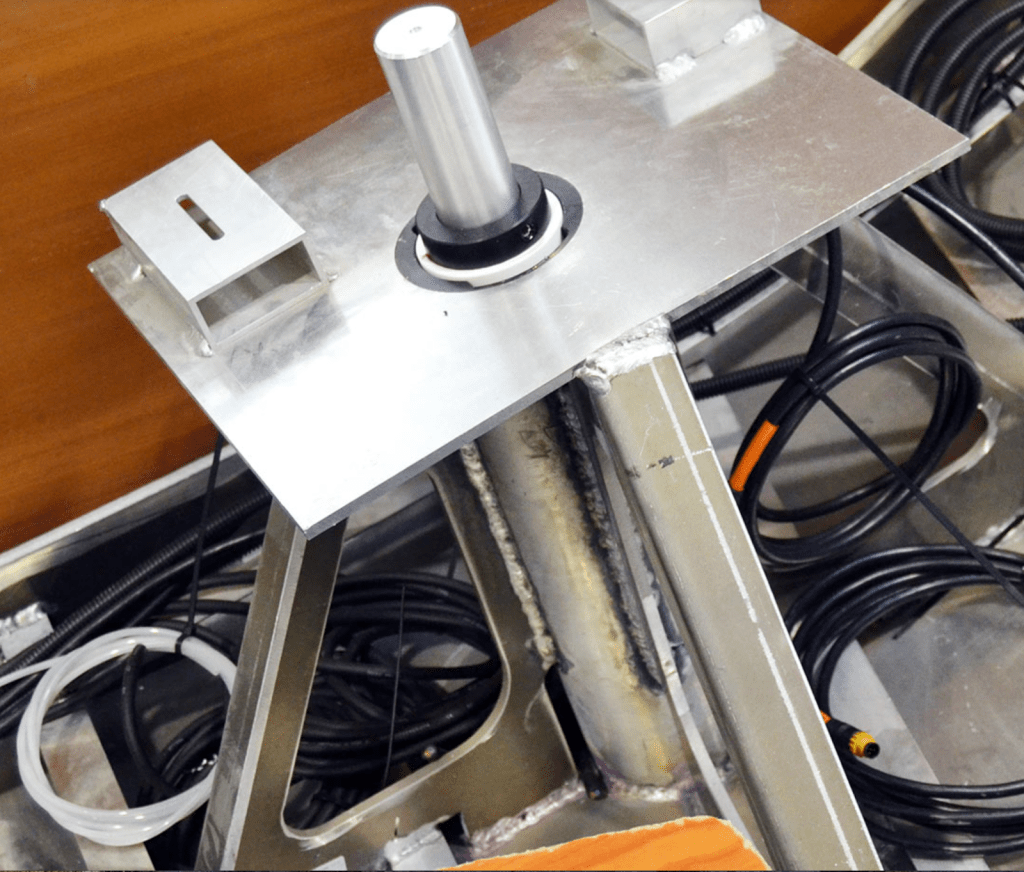
Garcia rudder bearing – Exploration range 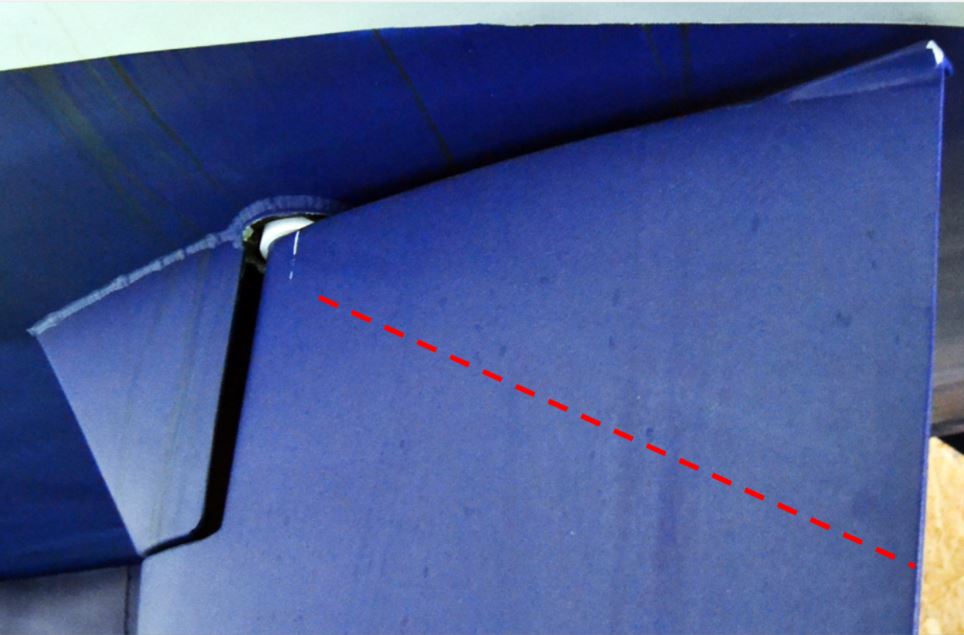
Garcia aluminium rudder with GRP pre-set breaking point
Sailing in harsh weather, a protected watch position is also very much in demand, provided it doesn’t add too much windage. A comfortable enclosed space allowing for watch and sail trimming like the one set in Boreal Yacht design seems to be the best solution to cope with long journeys in the cold (or worse). And while on anchor, it will provide the crew with a unique viewpoint on the spectacular sceneries.

Boreal dog house is one of the yard’s DNA 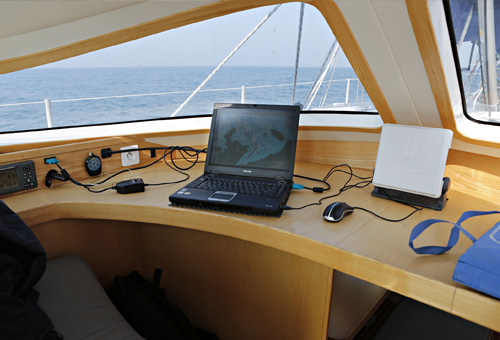
Boreal’s protected watch space
There are added benefits to aluminium construction besides strength and capacity to deform vs. break. The boat will be stiffer as well, with the added performance benefit, especially if combined with a carbon mast.
The formula here is S = T3 (S standing for stiffness and T for thickness), meaning that doubling the plates thickness from 4mm to 8mm for instance, results in increasing 8-fold.
 70th parallel