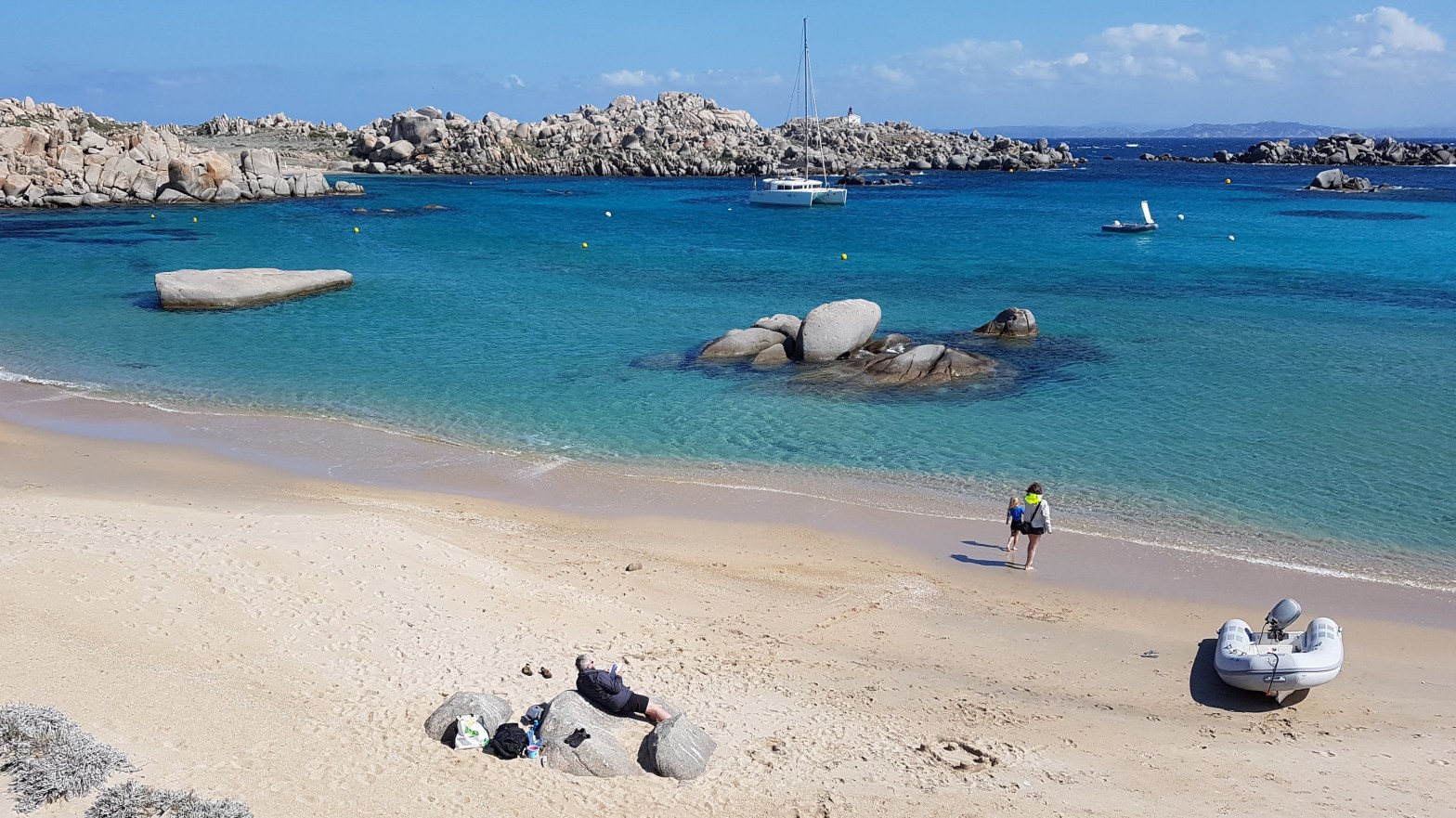
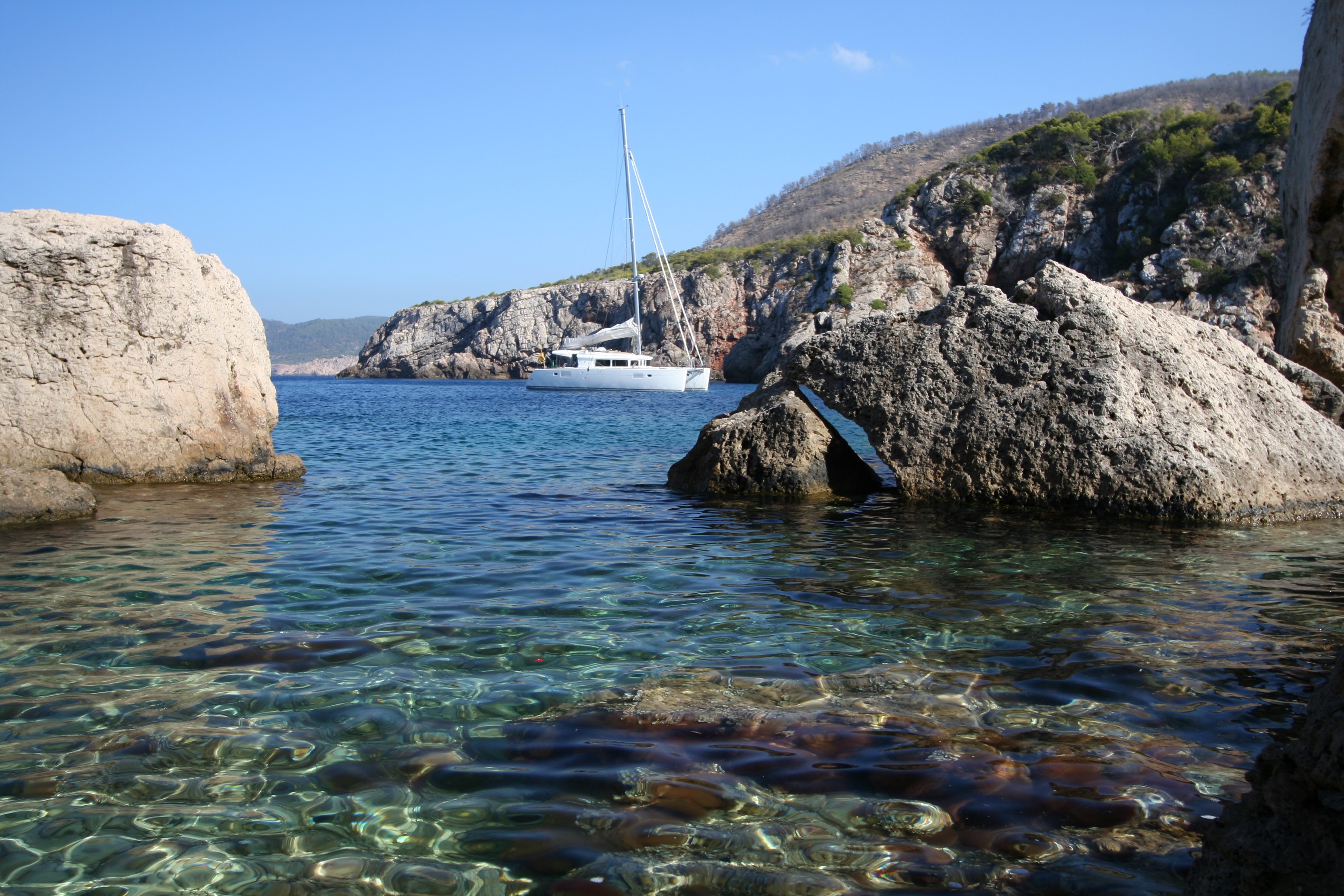
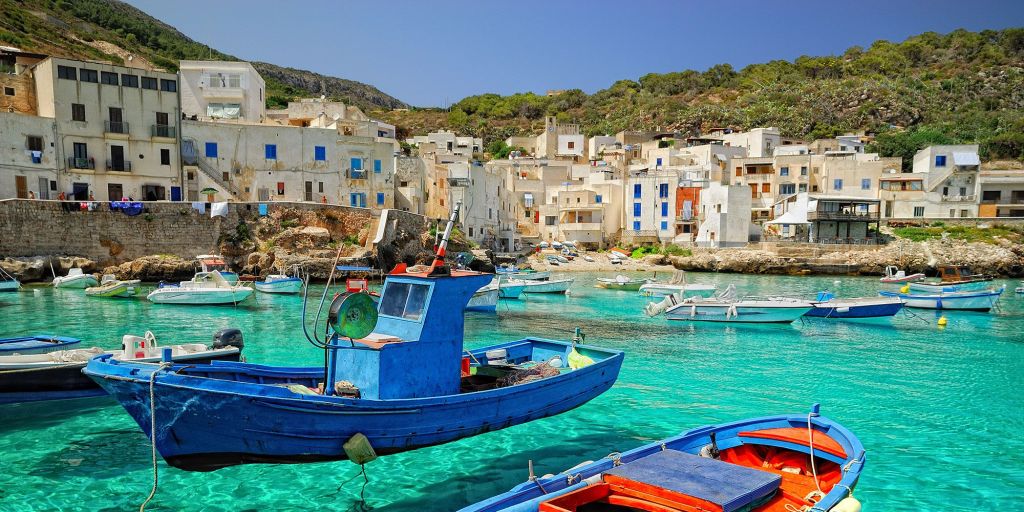
Ten years sailing the most enchanting places within one of the most beautiful sea, not only rich with incredible sceneries, but also with a unique cultural heritage on each of its shores. And doing this in the best of conditions, as we’d be sailing in all seasons, but especially when the nicest anchorage or little moorings wouldn’t be overcrowded, as it happens in the peak of summer season – try to imagine the Lavezzi, featured above, in summer time.
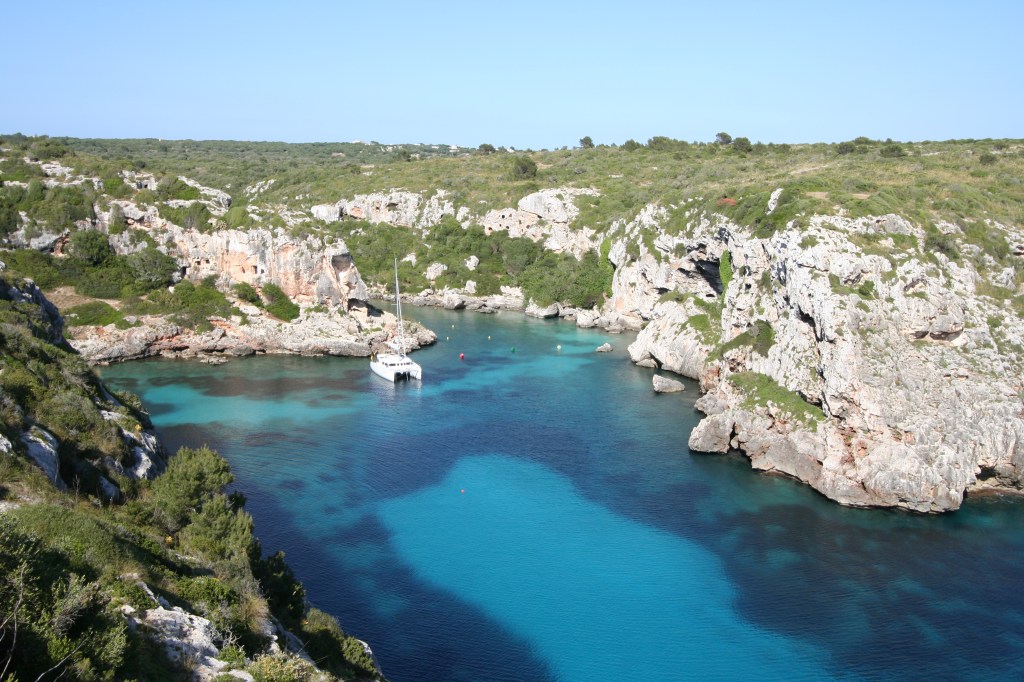
So, how can one get tired of it ?
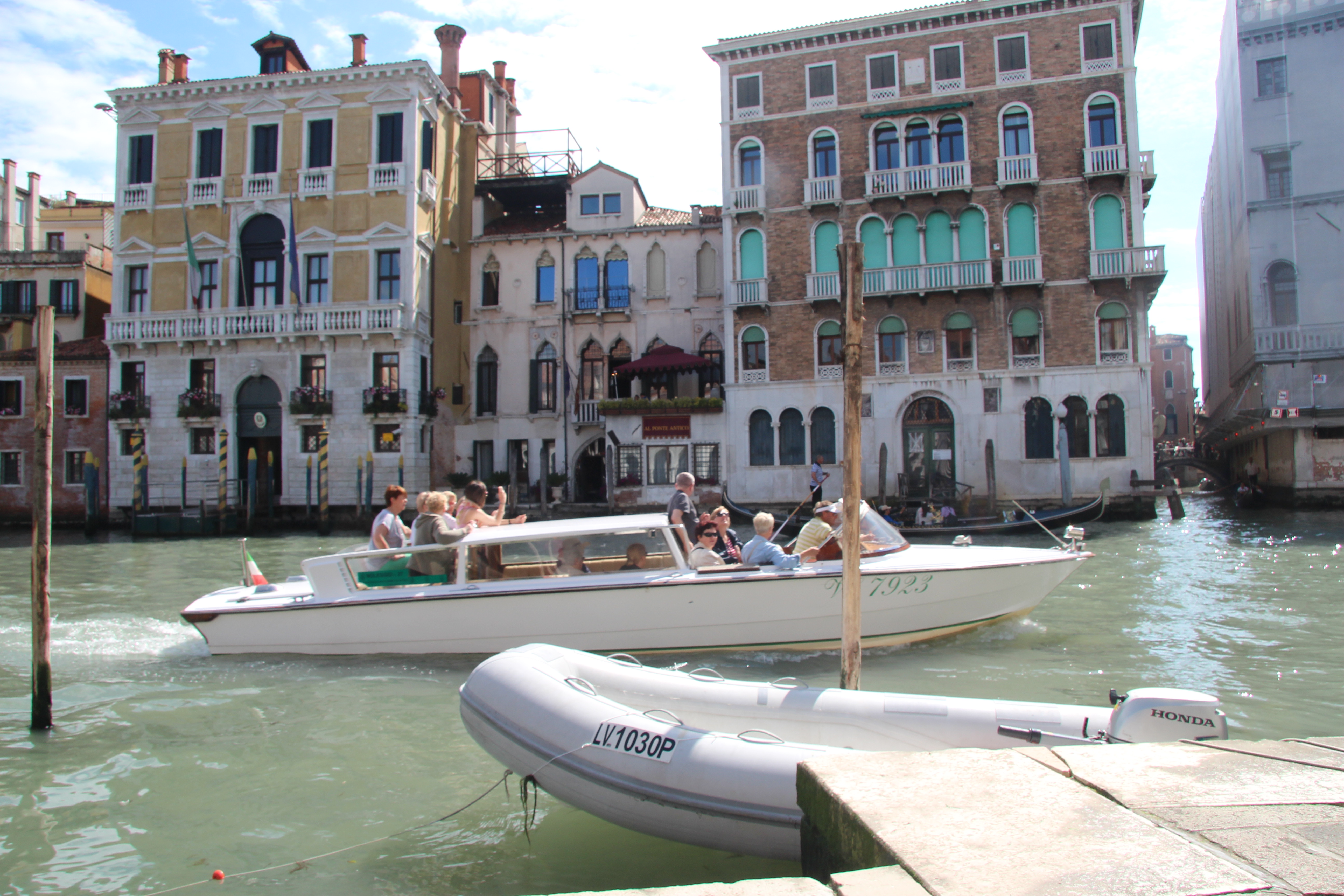
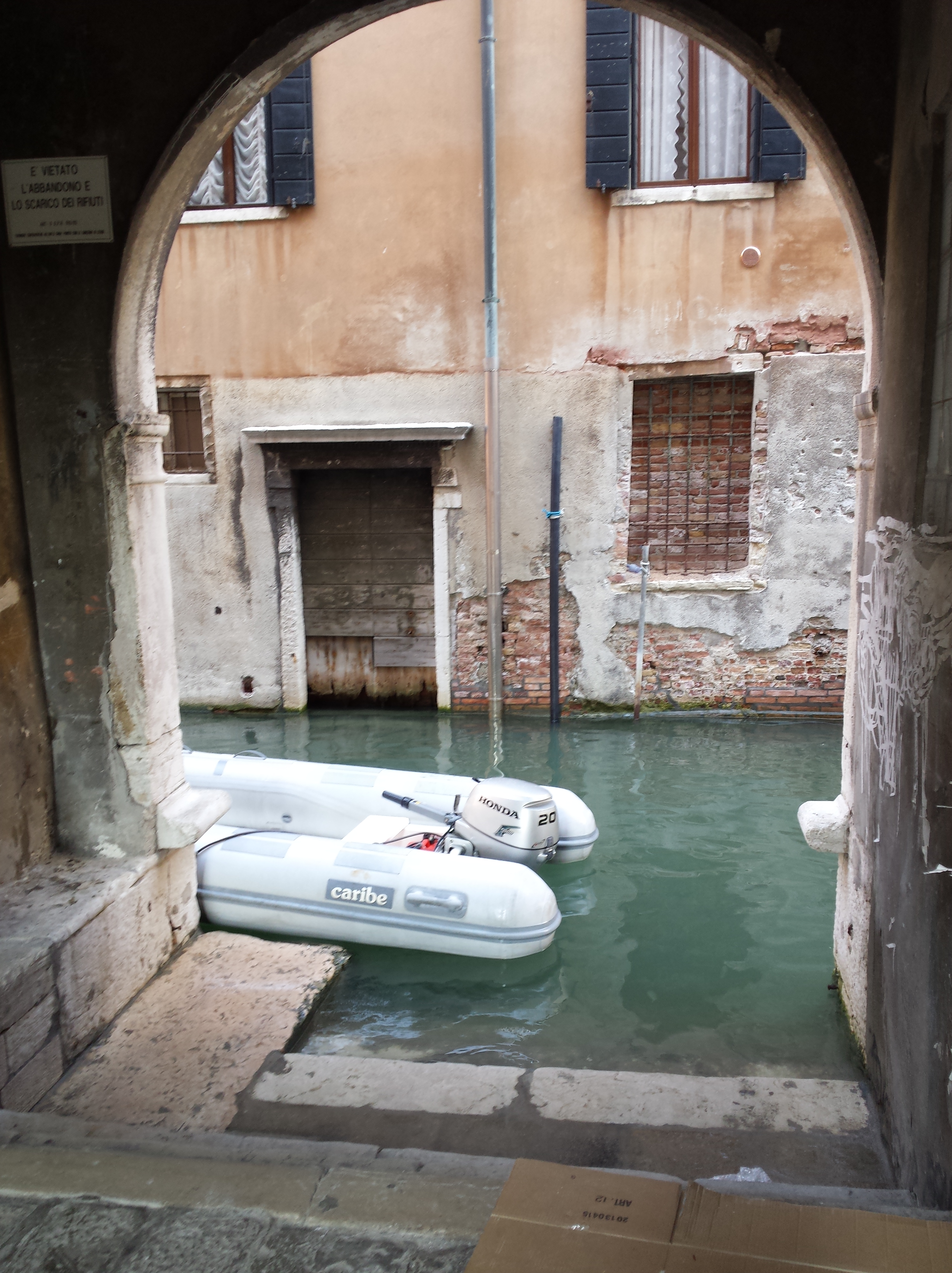
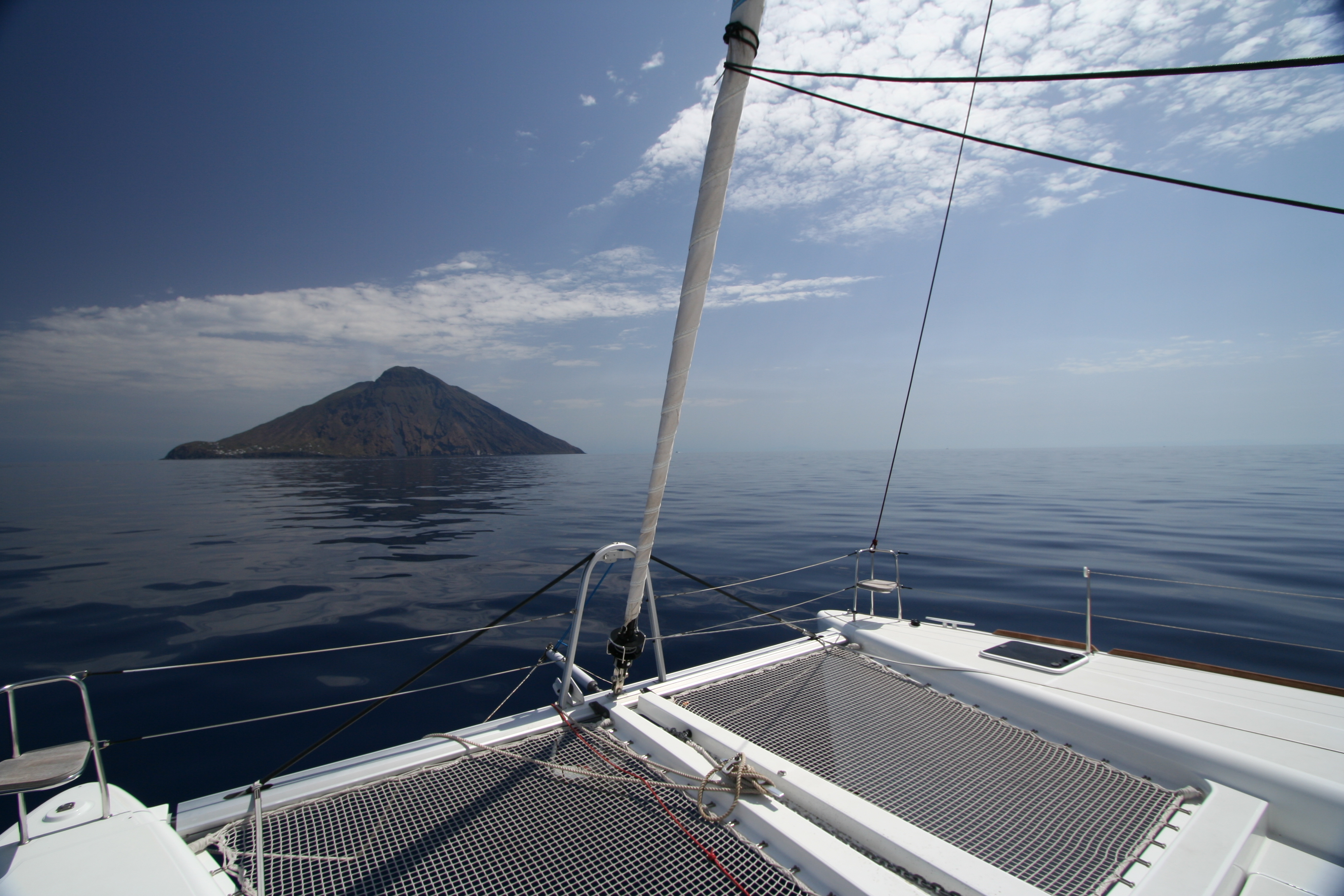
The feeling of liberty you experience when sailing out of your Trapani wintering marina, asking yourself whether you’d head North-East to the Amalfi coast, or North-West to Sardinia is exhilarating. We do otherwise tend to clock our lives to rhythms which are imposed upon us, not always for the best. So it’s been Sardinia. 4 times. And Amalfi coast and Naples’ bay. 3 times. And so many other places you feel you can die after you’ve been there. Spending 4 month in Marina Vento di Venezia, with the ability to go along the canals on a temporary registration of the dinghy, has been one of these many magical highlights, with the learning of the gondola etiquette as an icing on the cake.

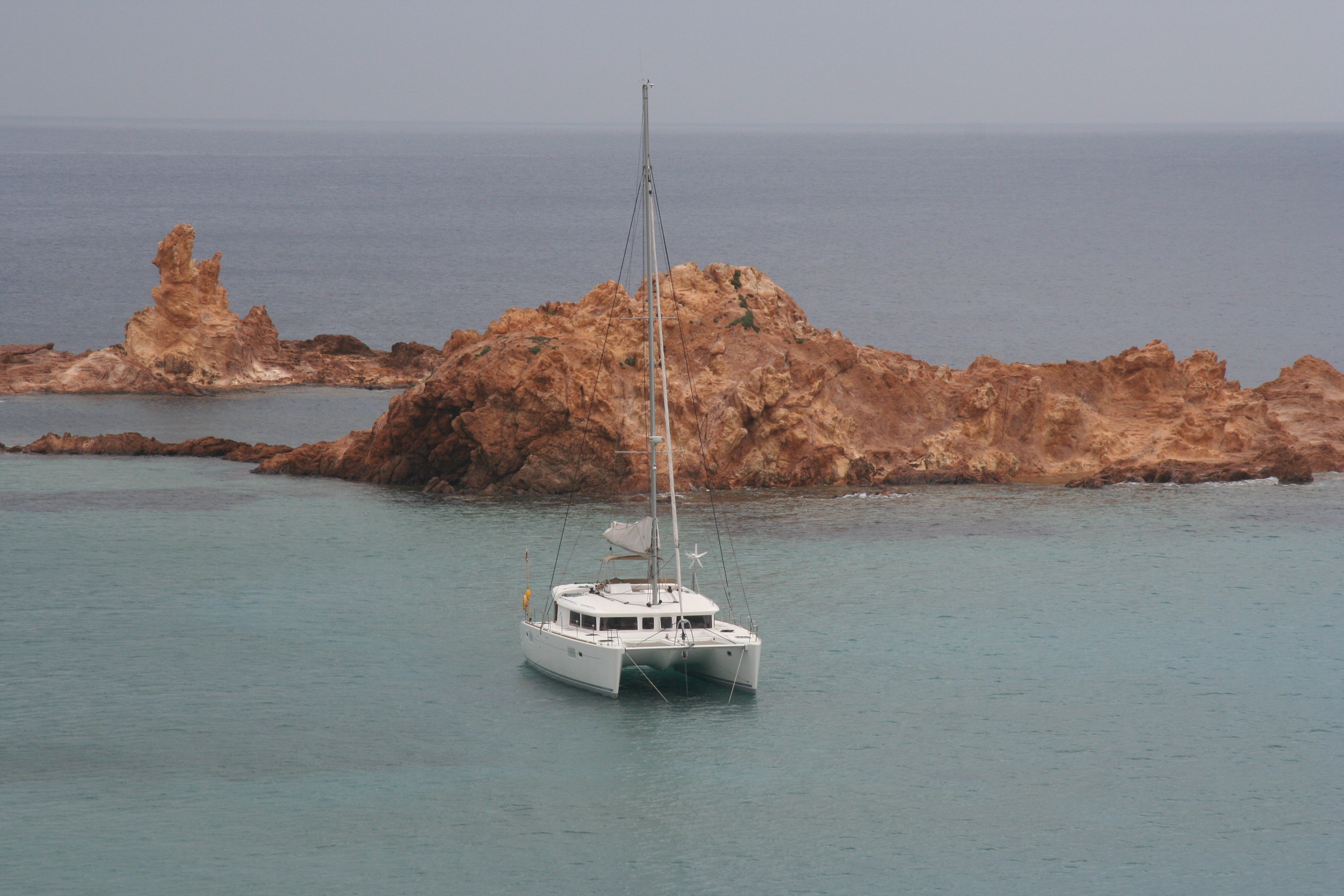

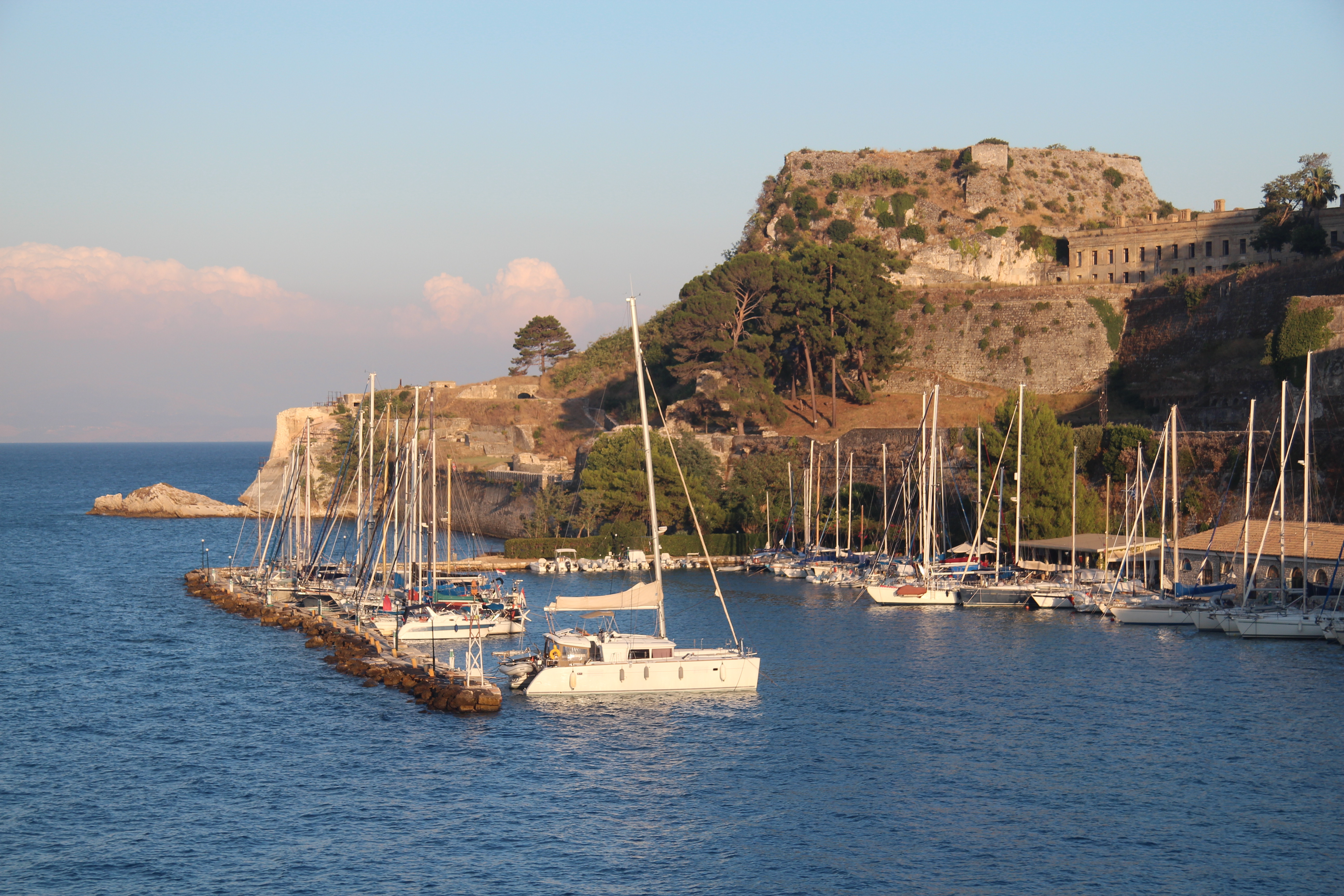
Being curious of the world, its people and landmarks alike, their infinite differences, this curiosity can’t be satisfied in a few countries, mostly European, however lasting is each discovery.
“O God, thy sea is so great and my boat is so small”
It only takes a minute on any chart to realize how small this initial play ground is, compared to the immensity of the oceans. In this respect, Athelstan Spilhaus published an interesting Smithsonian article “To see the oceans, slice up the land” (November 1979), with a new projection which would become very popular among sailors in the late 2010’s.
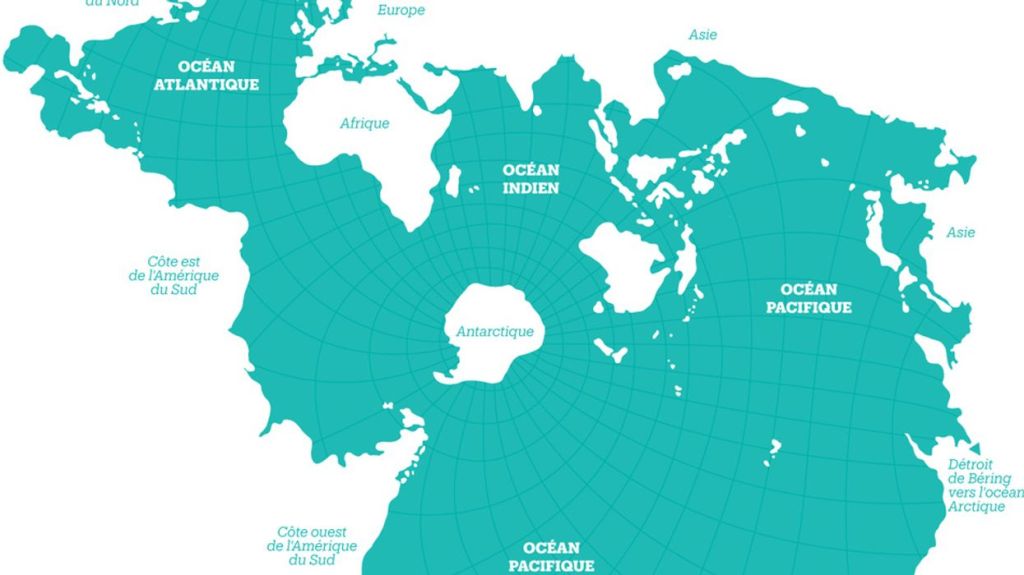
“The distortions at the two corners around the poles in South America and China are very great indeed, but it is in the land that we wish to concentrate maximum distortions. This map has extraordinary additional property of being doubly-periodic. This means that if you had multiple copies, you could match the edges perfectly and repeat the pattern just like decorative tiles. The endlessly repeating mural which would result would tell us that a true map of the world has no edges.”
With this in mind, the urge for greater space steadily grew up, to the point when it became obvious that we’d have to comply with this imperative. The early stages became visible when we started a Google map with all the places we’d like to sail to, getting inspiration from all parts, sailing and airline magazine, specialized blogs, any travel-related media, and of course a long history of sailing books, from classics like Stefan Zweig’s Magellan to the adventurous tales of Mike Horn.
Boy, how Google Earth is your best friend !
When the map quickly became spotted with dozens of little dots, some of them actually North or South of their respective 70th parallel, it became clear that we had to move on to the next sailing plan.
We were in the fall of 2019, coming back to Sicily from a beautiful journey around Sardinia. I vividly remember when I created the first file related to high latitude requirements for sail boats, as I was sitting on the terrasse of the Romano bar, having a morning coffee overlooking Levanzo’s little harbor. It all felt surreal to initiate a line of thought focused on boat safety in the hardest of conditions, on isolation, heating, autonomy, all of this by a very warm September morning, sipping coffee over a dead still, deep blue Med.
Yes, defining high latitude sailing had to be the next step.
 70th parallel